Videos
Benjamin Jaros And Aharon Friedman: A Wealth Tax That Makes You Poorer
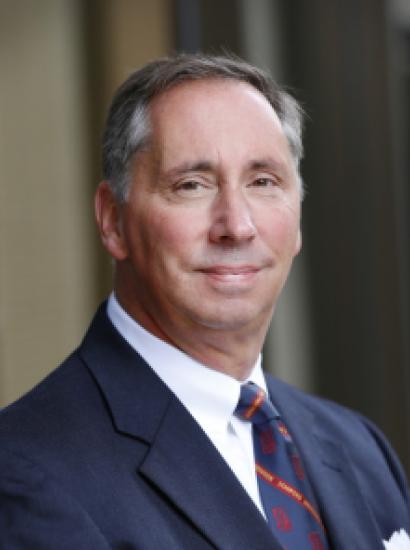
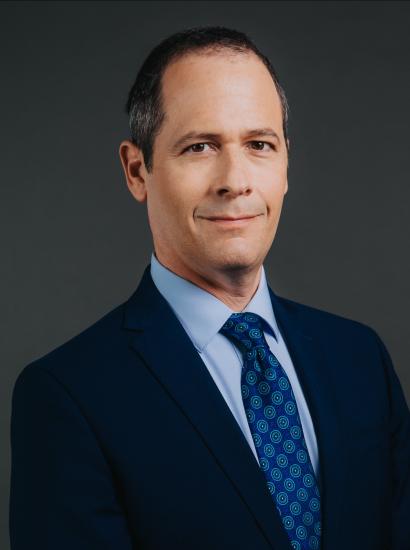
Hoover Institution fellow Benjamin Jaros and Aharon Friedman talk about likely post-election challenges to Proposition 40, the Billionaire Wealth Tax.
October 8, 2026

As America prepares to celebrate its 250th birthday, it’s not so much “taxation without representation” at issue as it is the question of what modern taxation represents – For some, a chance to strike a blow against wealth disparity while pursuing a socialist dream of expansive government. Nowhere is that more evident than in California and a ballot initiative which, if approved by voters in November, would impose a 5% “wealth tax” on the Golden State’s resident billionaires – 90% of the proceeds going to state healthcare programs. Joshua Rauh, the Hoover Institution’s George P. Shultz Senior Fellow in Economics and an expert on California-style taxation, discusses America’s current fascination with socialism and economic class warfare as well as all that’s at stake in the Golden State. Will a voter-approved wealth tax prompt billionaires to flee California for the likes of Austin and Nashville, taking with them needed tax revenue? Would the one-time tax lay waste to Silicon Valley as an incubator of innovation (and revenue stream)? Moreover, if the promised revenue doesn’t materialize, is California likely to apply the tax to millionaires as well (and perhaps expand it beyond a five-year period, as happened a decade ago when the Golden State extended a “temporary tax” on California’s upper earners)?
Recorded on June 29, 2026.
- Once upon a time, a group of colonies questioned the concept of taxation without representation, and they decided it was time for revolution today. Those colonies were nation. And while we do have a representative government, there's a question of what taxation represents in modern America. We're gonna talk to a Hoover Institution fellow who studies the ins and out of taxation that includes a California ballot measure that would tax the state's billionaires, as well as the left embrace of wealth. Taxes is the means of expanding government and altering America's economy. It's a conversation hopefully will not tax your patients. And it's coming up next on a new edition of Matters of Policy and Politics. Stay tuned. It's Monday, June 29th, 2026, and you're listening to Matters of Policy and Politics. A podcast devoted to the discussion of Hoover Institution policy research, as well as issues of local, national and geopolitical concern. I'm Bill Whalen. I'm the Virginia Hobbs Carpenter distinguished policy fellow in journalism here at the Hoover Institution. But I'm not the only Hoover fellow who spends time behind a microphone. You don't believe me. Go to our website, hoover.org. Actually go to hoover.org/podcast, and there you'll find the whole menu of stuff we have to offer. That includes the audio version of Goodfellows that I had the great honor of moderating. Now the 4th of July approaching, we thought we'd look at a topic that was at the heart of the American Revolution, and that would be taxation two and a half centuries ago. The issue at hand was taxation without representation, but in America 2026, it's not so much taxation without representation as it is the question of what taxation represents in terms of sound policy and economic impact. We're joined today by Hoover Institution colleague, who studies the impact of taxation, especially in his home state of California. Joshua Arouse the George P. Schultz Senior Fellow in economics at the Hoover Institution, as well as the Orman Family Professor of Finance at Stanford's Graduate School of Business here at Hoover. He leads the institution's fiscal policy initiative as well as the Hoover Institution State and Local Governance Initiative. Joshua RAs. Richard focuses on government liabilities, corporate individual taxation and institutional investing. This year, much of his time has been spent looking in a measure. It'll appear on California's November ballot. It's called the Billionaire Tax Act, and it proposes a 5% tax on the wealth of all California billionaires residing in this state as of January 1st of this year. And if this passes, California will be the first such nation to go down this path. Josh states, we're coming on the podcast today. Thanks for having me, bill. So Josh, interesting times. We live in, especially last Thursday, which was the deadline for whether or not ballot initiatives will appear on the ballot. And the intrigue in question with the Billionaire Tax Act, Josh, was whether or not a deal would be cut to take it off. There was no deal. So here we are, game on. Now, in one quarter of this debate, Josh, we have service employees, international Union United Healthcare Workers, that's S-C-I-U-U-H-W for short, which calls itself a quote, healthcare Justice Union. It wants 90% of the revenue for this billionaire tax to go to healthcare spending in the other quarter. Gavin Newsom, the governor of California. Unions like the California Teachers Association, which don't like all this money going to healthcare. They want a piece of the action. And so very prominent individuals here in Silicon Valley who take the wealth tax both personally and professionally. Josh, you've written a report on the Billionaire Tax Act. Tell us how it would work other than being very welcome news for tax attorneys and realtors in Texas and Florida. Well, sure, and Bill, you know, I was also as, as you mentioned, closely following what was going on last week in terms of whether a deal would be struck. Some people were glued to their screens watching the likelihood that any given World Cup team would win their game. And the changing probabilities on the betting markets. I was following the betting markets predictions as to whether a deal would be struck on the wealth tax because there was at, at one point a a a 75% chance it was gonna get taken off according to the quote unquote smart money who would be betting on it. But then ultimately it was, it was left on. So, so let's, yeah, as you say, let's take a step back. What is it, you know, this tax, this would be a 5% tax on the wealth of anyone who is net worth is above $1 billion. And it was proposed and, and advocated for by a healthcare workers union, the SEIU Healthcare West, and supported by the analysis and advocacy of several economists at the University of California, Berkeley, and in France. So this has been going on, this discussion is going on for some time now. They first proposed in October of last year, 2025, at which point a number of billionaires subsequently immediately took action to pack their bags and make sure they could try to get outta here before what would be a December 31st deadline for them. And since then, signatures were collected and then negotiations were undertaken as to whether maybe we'll be pulled off the ballot if Newsom would support some of the other things that the SEIU Healthcare Workers Union were, were, were looking for, as well as throwing his support behind a 2% as opposed to a 5% wealth tax that somehow magically he would supposed to be able to make possible through the California legislature, which would've been difficult given that the California constitution actually currently prohibits the taxation of financial assets above a rate of oh 0.4%. That predates even prop 13, that caps what res what residential property can be taxed at. Right. Let's clarify two points, Josh. First of all, this is a one-time tax, correct? Well, the proponents, yes. The proponents justify it as a one-time tax. They called a one-time tax, but actually since they described it as that some of the architects, well is one of the architects of the, of the, of the plan, university of California Berkeley Economist manual sizes. So actually it's more of an experiment and we, we would expect this to be an ongoing tax and part, I think part, part of the reason that they've conceded ground on that is just the mismatch, very apparent mismatch between the purpose stated purpose of the revenues for this and the economic reality that, that, that, that, that the state faces. So this was pitched as being one-time funds that would be needed to fill a gap caused by the one big beautiful bill act, the reconciliation bill last year, which is reducing federal spending on Medicaid in, in, in several ways. They, well, we need, they said we need these new revenues to, to fill that gap. Well, the, the, the problem is that, that really, that hit doesn't really start taking place until around 2030. These wealth tax revenues would come in. Now, I believe, and we'll get to this, I'm sure that the amount of money they would bring in from those wealth tax revenues are actually gonna be, would be very small initially if it passes. So they're just gonna be under pressure to make the think permanent. Second point of clarification, Josh RA of billionaire, Josh Raul decides to bail from California in 2026 or 20 27, 20 28, 20 29. Assuming this measure passes, he's still on the hook to pay 5% to the state of California, correct? That, that, that, that's right. Billionaire Josh Raul is not a billionaire, but that's correct. The, according, at least according to the text of the law, it is retroactive. It has to do with your, the taxable taxable individual's residency status as of December 31st, 2025. Now, there are people who are going to be contesting that vociferously. I think the number one person who will be contesting that vociferously is Mark Zuckerberg, who left California established residency in Florida in February, 2026. The architects of this plan, they're gonna say, they're already saying too late, we got you in our dragnet, you left too late, you're subject to the tax. But of course, if we really think his attorneys are just gonna lie down and say, yeah, you're right, we're just gonna fork over 5% of, of, of Mark's wealth here. I don't think that's gonna be happening. He's gonna be contesting it. He's gonna be contesting on the, on the base of the fact that it is a retroactive tax, which may be proven unconstitutional. And even if it somehow manages to squeak through or parts would manage to squeak through, of course he's gonna try to achieve and negotiate settlements, I would imagine, with the state so that he does not have to pay the full, not Now, for those not familiar with how California works, Josh, you just don't come up the ballot initiative and put it on the ballot. There's a process. The first step of the process is you have to submit the draft of your initiative to the attorney general decides whether not it's constitutional, and in this case, SCIU send a 32 page filing to the State Attorney General. I'm a glutton for punishment. Josh, I read the whole thing. What I noted was on page three, this phrase stands out, California has around 200 billionaires who collectively possess an astonishing $2 trillion in wealth. I think you wanna adjust that $2 trillion figure, don't you? Well, absolutely. I mean, the problem with that figure is that it doesn't reflect what, what happens when people leave. And, and as soon as the, the ballot proposition was, was proposed before the signatures were collected, billionaires who would be targeted by this started leaving. And so in our research where we calculate what's called the net present value of the billionaire tax, how much would the state really bring in net of all of the responses that you'll have of particularly if people leaving, we address that and we look at that number. And what we find is that already right off the bat, over a third of the, of the, of the wealth tax base is basically gone. I mean, if you look at, if you look at the Google Founders brilliant page, and you add Zuckerberg to that, which is, you know, perspective. 'cause of course, again, there's a dispute to whether Zuckerberg is caught in the dragnet or not. That that right there would be 36 billion of the $100 billion that the proponents say they're gonna bring in with the tax. I mean, again, just to make clear, proponents say they're gonna bring in $100 billion with this tax, Right? Just those three individuals, if you don't get them, you're down by 36 billion. And then there are many others who we document have left, have demonstrated that they've, that, that they're, that they've left or have been or that they, that they've left. And among those 200, not everyone who established residency in another state is gonna be making the headlines or doing so publicly. They're doing it behind the scenes. So we, you know, one doesn't really know where, where they would ultimately land, but you know, an absolute ceiling based on the loss of that 36 billion would be around $67 billion. And then we believe, based on our estimates of that are based on some research and looking what other people have done, that the state would actually be down to collecting only 40 billion from the tax. And that is before we consider the fact that the people who left also will not be paying income tax to the state of California again. And so our research tries to quantify that and that loss. And once we quantify that in that loss, we find that under our most reasonable parameterization, the state is this is a money loser for the state. In addition to it being terrible for jobs, for prosperity of people in California, it's also a money loser, negative $25 billion. That's our central estimate. Ouch. Now, Josh, you have debated this publicly with economists on the left, the, the merits of this. What is the argument on the left? Is it, is it an emotional argument that we have to do this for those who need healthcare? Is it an anti-Trump message? Is it class warfare? How does the left probe this? Well, it started out being a, we need the revenue initiative and we need the revenue specifically because the Trump administration and the one big beautiful bill act reconciliation bill is stripping California of Medicaid funding funding for California Medicaid, which is called Medi-Cal, as many of your listeners probably will know, right? So that was the initial reason. However, it has evolved somewhat and in these debates, especially when we get down into, you know, usually the bases go the following way. We, we, we get down into the nitty gritty of the numbers, how much revenue we're bringing, how much it wouldn't bring in, and then we sort of move on to, to broader questions. And when, when we move on to broader questions, inevitably the proponents of this make a statement like, well, this is also gonna be addressing something that's really bad for society, which is inequality. You know, in a sense they almost concede, you know, okay, we can argue over how much revenue this thing's gonna bring in, but it's, it's so great that we're gonna, we're gonna address inequality by doing this because inequality is to to, to these folks itself. A social bad. Now in the California context, okay, addressing inequality apparently means we're gonna export billionaires and they're gonna be, they're gonna be billionaires someplace else instead of here. And so that's one problem with their argument, which is that you're not really reducing equality, you're just, you're just, you know, shifting it around. I also think that there's a major problem with viewing inequality, per se, as a social bad. I think in inequality is something that often comes, comes along with a, with free market capitalism, which brings everybody up and, and is actually the, the number one force that has really addressed poverty around the world and has, is the reason why poverty is so much lower around the world, you know, than it, than it was 50 years ago maybe. To get that you have to accept some inequality. And, and so I think that's where kind of the philosophical differences really, really varied. But yeah, the strategy of the, of the proponents is really to say, you know, we, these, we need to do this because Donald Trump did something bad to us. And also it's gonna be, it's gonna be, it's gonna rectify the injustice of inequality. That's, that's really where they're going with it. But do they demonize billionaires the way that Liz Warren did during her 2020 presidential run the way Bernie Sanders has throughout his rise to national prominence? Well, they're generally playing on the idea that, that, that the billionaires are, you know, somehow bad people. I mean, there's no question about that, right? If they weren't doing that, then people wouldn't, there, there wouldn't be such popular support. This, I don't know where you've seen the polls for this measure lately, bill, but I mean, it seems to be hovering maybe a little below 50%. But I mean, it's, it's, it's tight. And the fact that so many people are willing to say, you know, we wanna confiscate money from this group of, of individuals, it must be in part because they don't think very highly of them, and that that's really too bad because a lot, you know, a lot of these folks, I mean, if you think about the inventions that, that many of them have made that have improved, improved society and, and also all the jobs they've created, there's a lot of good there. I, I like to tell people, look, okay, I remember the days before Amazon, I mean, Jeff Bezos isn't in California, but I use that as a one, one example. If you wanted something, you know, you had to absolutely go to the store to find it. And oh, if you wanted to find out what store had it, well you had to call because there was no Google, you couldn't just fire up a search and sort of, you know, see who had it around the, around the area or anything like that. I remember, you know, a time before there was a marketable electric vehicle in the United States for, for, for people who are enthusiastic about, about, about EVs and Elon Musk GA gave us that. So I, I think, you know, oftentimes you have these great fortunes being established because people have created things that are of tremendous value to, to consumers. And yeah, that's not a hundred percent the case, but if we see people who are making money for reasons that then, you know, appear to be unethical or something like that, then okay, then the laws that surround the, the activities they do have to be considered not confiscating their, So I mentioned Elizabeth Warner, Bernie Sanders, Josh in 2020 when she's running for president, she proposes a federal wealth tax. This would've kicked it at $50 million. Bernie Sanders decided to one up that he came out with a proposal which would impose a 60% tax on Netwealth profits from mid-March to the end of 2020, but only on billionaires. So he's playing the billionaire card, and there was wealth tax fever in 2020, Josh, because it came all the way to California. I remember writing about this, and every great fun with this, the legislature, there was a bill introduced Josh, it considered a 0.4% tax on fortune's north of $30 million, 15 million for merit taxpayers filing separately. The draft legislation never got anywhere, Josh, it would've looked at California's quote unquote worldwide net wealth. And they had 18 categories of assets for what constituted net wealth. It was pretty much anything they could think of. Financial security, real estate holdings, offshore holdings, pension funds, farm assets, art collectibles, you name it. I know you teach at the business school, Josh, you don't teach at the law school, but I'm kind of puzzled by the legality of this. How can a state tax Josh Rao on something he doesn't have in California? Well, that's a great question. And the first thing I'd start out by pointing out is that, that that measure that you, that you discussed, bill oh 0.4% is actually because just like in California we have Prop 13, that that limits the amount that can be taxed on residential real estate. We also have this earlier proposition that, that li that caps the amount that can be that, that that intangible wealth could possibly be taxed, even though there isn't, there is a property tax California, but there's not an intangible wealth tax. All of these measures, the one that you cited in 2020 and the the current one they tax on worldwide, worldwide wealth. That's correct. And it boils down to a residency principle. You know, the state says if you're a resident here, it doesn't matter whether you hold your art or your yacht or something somewhere else, it's still your property, your resident. We can, and we can tax you. And if I can trace that to the way that income taxation works, it is parallel. I mean, I'm a resident of California, okay? If I go to another state and, and, and, and do something and, and get paid, I am taxable in that state where I went and did it. But California says, well, if that state taxes you at a lower rate than we would tax you owe us the difference. And that, that's a principle income taxation that is broadly accepted, and they're applying the same principle to wealth taxation. Right? Another little nugget of that bill in 2020, Josh, was it would've kept taxing you for up to a decade after you left California. So again, I just wonder about the legality of how a state could keep taxing you when you no longer are a state resident. Well, I wonder about that very, I mean, I wonder about the legality of the entire thing, right? I mean, for, for to start out with a retroactive tax. Secondly, you know, tax on wealth. I mean, I, I don't think we've, we really have explored, or the, the Supreme Court has really made any major rulings that really tell us about the legality and constitutionality of taxes on quote unquote intangible wealth. So, so, so meaning, you know, beyond property taxes and property taxes on real estate are, are, are widely established, but we, we haven't, we haven't tested the legality of a, of a wealth tax yet. And I think it's going to be highly contested, as you mentioned. There are, there are other reasons to think that this particular one is gonna be problematic, you know, taxing you after you've already left, as well as the definition of what, of what, of what wealth, of what wealth is. Interestingly, under the California proposition now, you know, they're excluding real estate because they don't wanna fall foul of have prop 13, Right? So walk us through the mechanics of this, Josh Stowe, if you're worth a billion dollars, you're gonna have to report to the Franchise Tax Board in California, California's version of the IRS. You're gonna have to report your wealth and explain how much you're worth. The state's gonna look at that and the state's gonna have its own forensic people. I assume you're gonna look at Josh RA's wealth and they may come up with a different figure. And what happens after that? Are you then gonna be on the hook for what the state assesses, or are you gonna challenge the state assessment? Or are you gonna spend your time in court fighting this? Well, you sketched out the beginning very well. The state is, if this happens, the state, first of all, an entire apparatus, bureaucratic apparatus has got to be established for the collection of information about individual wealth. And I presume the, you know, the reporting requirement is gonna be, if you are a billionaire, you have to fill out this, the, the this, this form. So there will be initially a question of, okay, you know, what's the, what's the compliance gonna gonna gonna be with that? And the state would go, go after anybody who they think is not, not, not compliant. But yes, once the state is reconciled, what they think, you know, someone is worth with what they, what they, what they put on paper, there's certainly gonna be long litigation over both, over the principle of the, of, of the wealth tax legal glee, as well as the particular wealth measure that is, that is put in. What are the, what are the place of ambiguity? Well, clearly, you know, someone owns a private business that's difficult to, that's difficult to value. And the law, the, the, our proposition has v you know, v various provisions for how this might be done. One of the things they say is they say the business cannot be valued at less than what the a a previous round of venture capital funding, the latest round of venture capital funding would've implied. The value of the business is, I mean, this is, this is pretty problematic in the sense that, you know, the, the value of public businesses and private business, I mean, they, they're moving around quite a bit. And so the, the measurement date is December three first, 2026. And the idea is gonna be that that's gonna get, it's gonna be the, you know, agreed upon, agreed upon point in time, but there will be a bureaucratic apparatus to assess all of this. And once that wealth information is being collected, I mean, once the apparatus up, you have to believe that wealth taxation would then continue to be an even bigger, a bigger thing where voters should realize, okay, that they should not vote for the billionaire wealth tax unless they would be okay with the same principle being applied to them no matter what their net worth is. Because once the apparatus is set up, that's what's gonna happen. That's what happened with the income tax, the federal level, you know, in 1913, that's what's gonna happen with a wealth tax. I, we, if we pass it, And how do I side what day your, and what your wealth is. In other words, wealth is wealth changes day to day in America, depending on your holdings, you have stock, you have bonds and so forth. They fluctuate, they rise in fault in market. So how does the state make the determination? What day do they choose to decide your wealth? Well, the architects of the, of this plan, by the way, the architects of this plan are very smart people in the sense that they, they actually have looked at all of the problems that wealth taxes in other countries have had, and they tried to think of ways to get around it, right? So like, one way they thought of getting around the fact that people move is we're gonna, you know, slam the door on you we're gonna, you know, secretly propose this or quietly propose it in fall 2025, say that the cutoff date for residency is December 31st, 2025, and then, you know, we're gonna trap people. But as for the, the measurement date, they were very clear the measurement date for this supposedly onetime tax is gonna be December 31st, 2026. So they basically, they were the, the, the, the proposition would task the tax authorities with determining what someone was worth as of that date for the supposedly one-time tax. But since the architects have already emitted, it's probably not gonna be a one-time tax they would have to establish apparatus for, for regularly con you know, con continuously e estimating this wealth, the, the wealth. And what I really wonder what happens if someone's wealth goes up and then there, if this becomes a, a, you know, a, a permanent tax, it goes up, they get tax based on that, and then it, and then it goes down again. I mean, it's not like they're getting any, any credits for the fact that it, that it, that, that, that it, that it went down. Since the income tax regime is one where we don't, we don't tax on unrealized capital gains. So I, I think there's a number of major, major practical problems with this. Josh, how would this have applied to Elizabeth Holmes who at one point was a billionaire purely on paper, on estimated worth of Theranos and then suddenly was not a billionaire? Yeah, I mean, great, perfect example, right? I mean, it was, you know, she, she would've had to have paid the 5% tax. She would've had to, you know, the, the, the, the, the proposition allows it to be spread over a few years. So you have a little bit of time to, you know, borrow the money you need to pay the tax or liquidate the assets you need to pay the tax. But yeah, you know, once, once the company wasn't worth anything, it's not like she would would've been getting any money back. And I don't think a lot of people are would, you know, are feeling too bad for her in particular. But I I, I think it's a very good example. And how would she have paid for, would she had to take a loan out Josh, or would she, She would've had to take a loan out or she would've to liquidate, liquidate shares in, in, you know, liquidate positions in the company, find someone else to take it on. And that's what you would have you, you know, you, you'd end up with companies with much less concentrated ownership. There's another provision in this proposition that I find very worrisome, which is it gives the, the estate tax authorities the right to potentially assess your net worth based, not only on your, your kind of share of ownership in, in the company, but also your share of control of the company. For some people this varies very substantially. I mean, someone like Mark, mark Zuckerberg, he always about 11, 12% of the cash flow writes in Facebook, but he actually controls, he has, he has controlling shares as well that have super majority features and he controls 60% of the, of the company. So some re there's a, there, there's, there are disagreements among legal scholars, but some people say that the state would actually be entitled under this to read it in such a way that Mark Zuckerberg should be taxed that, you know, as though he owns 60% of the company, which would make him, you know, on paper they would say, even though, you know, it looks like you're only worth 250 billion, we're actually gonna say you're worth a trillion for the purposes of this tax. Josh, there are 14 measures on the California ballot this year, including another one having to do a taxation. These haven't been assigned numbers yet, so we're just dealing with the text of the initiatives. But if you look at the summary of it, there it is in gigantic capital letters provides permanent funding for schools and healthcare by extending existing tax on high incomes. The actual language quote makes permanent, the existing 2012 voter approved tax rates for high income Californians currently set to expire in 2031. Rates apply to personal income over about $360,000 for single filers, seven $21,000 for joint filers and $490,000 for heads of households. Josh is referring to Proposition 30, which is approved by voters in 2012 and then renewed in 2016 under the form of proposition 55. It's now due to expire. So now we're making this permanent. So buyer beware. No, This is very interesting. This is, this is the high income taxes in California. That, that that's what this is, right? So, so un until 2012, income taxes were still high in California, but they weren't as high as they have been since then. By 2012, you had a 9.3%, mostly flat rate plus a 1% percentage point surcharge for people earning more than a million dollars a year than the maximum was 10.3%. After that it went up to 13.3%. But as you point out, it was initially described as temporary, it was then renewed in, in 2015, and now it's up for renewal. That renewal went through 2030. It's up for renewal again this year. And this is a really interesting state of affairs for, for, for, for a few reasons. You know, if the, if the billionaire wealth tax had been taken off the ballot, then I think all of the energies and focus would've been on, on this income, on the extending the income tax measure. Now that it's on the ballot. It's very interesting because if there's that, my question is, will voters really be able to disentangle what's going on on this, on, on, on, on the ballot? I mean, look, these ballots, you know, as we know, these are super complicated, lots of propositions and people are gonna look at, it's like, okay, this is the billionaire tax and there's like high income tax. There is a serious, for me, it would be, from my perspective, a it would be, you know, it's a very optimistic possibility. But for the, for the high people who are going for these high taxes on Californians, they, they would be very worried about this that people just say like, okay, no, I don't, I'm just gonna vote against the billionaire tax and also against the income tax thing, whatever, whatever that is. That is a very significant, that would be very, very significant. It would take us back to a, a, a regime where we had much flatter taxes. I studied these progressive tax rates bill quite a bit as you know, the ones that were quote in by prop 30 in 2012, using tax data from the state of California, really understand what was the impact of making the top tax rate in California 13.3%. And there were some really detrimental economic impacts. People left, people who were targeted by it have left the state and also the people who stayed in the state that just the, the, the, the additional jobs that they've created in their private businesses, revenues they've generated for the state have been a lot lower. And so there have been really negative consequences to the point where California, I think is over the top of the Laffer curve on the, on the income tax, meaning that, you know, they're, they're actually not generating much more revenue from this. So should that income tax extension fall, that would be very beneficial for, for, for, for the state of California, in my opinion, the, it would create the, the, the state would have to initially come up with some additional revenue, but longer term would actually be very good for revenues for the state as well. Yeah, I'll be curious to see to what extent there's a campaign both pro and con Josh, in this regard. The billionaire tax is gonna take up an awful lot of oxygen when it comes to just messaging in California. It comes, we have a governor's race as well, that's gonna take a lot of oxygen. And when you're talking about 12 other initiatives in addition to this permanent funding and the billionaire tax, you know, it just might get lost in the shuffle. I'm more afraid It might get lost in the shuffle. And if the loss in the shuffle ends up being that people that know and they don't know what they're voting for, then those high income tax rates could actually end up followed. So you have actually analyzed Prop 30 as you mentioned, talk a little bit about the effect it had on California's budgeting the economy and also Josh didn't, how many people left the state of Arizona getting their taxes increased? Well, what we, what we saw was, and this was also a, a situation where there was a sort of retroactive implementation. I mean, it was November, 2012 people voted on, then all of a sudden your entire 2012 income was subject to income taxation. If you were, if you were under this, we saw major spikes in the departure rates of high net worth individuals or high income individuals with those departure rates increasing based on just how much income someone was earning. And you know, there are these two margins on which, on which there would be a response. One is leaving the state, but the other is if people stay in the state, if you stay in the state, you know, to, to what extent do you take new opportunities to invest in a new business, to expand your existing business? A lot of businesses run through the individual tax code, either they're not corporations, they're passed entities. So they're all taxed under this, the same kind of individual tax code that effectively, you know, or the, the, the is the tax code that, you know, you, you and I as individual space. And, and what we saw was a, a real slowdown in that relative to comparable matched individuals in other states that didn't have this change at the time. And the result was that within two years, around 60% of the windfall gains potential windfall gains from prop 30 word were eroded by this, by this behavior. And over a longer period of time that is, that is gonna be even larger. And we also had a big shock to the system in 2018 when the salt, the salt cap came on at the federal level, deductible state in a local tax was capped at $10,000 per tax filing per year. And that suddenly made people who were in California really face the true cost of the taxes that they had to pay to the state in a way that they hadn't before because before federal taxpayers were, you know, picking up effectively some, you know, 30, 35 or 40, 40% of that. So, so this, this has been really detrimental to California. We've seen, you know, the growth of businesses being a lot slower than otherwise would've been another, another set of facts that we've looked at is we look at California anchor firms around that time, meaning, you know, firms that employ a lot of people that we associate with California, you know, there's a list of around, of around 25 of these that every everybody would recognize. And you look at the job growth that is occurring in California for those companies versus in other states, they're, they're just hiring other states. And there's a quarter of a million missing jobs in California that we would've had, had the hiring that companies were doing, have been doing over the last 10 years, just been in the same proportion in California as it was in 2015. I wonder, Josh, where the state of California would be without Prop 30 and Prop 55 in this regard. If you look at spending in California, Gavin Newsom and his final years governor, first budget, he signs Josh it's $209 billion. Yes, that's in 2019 figures. The last budget he signed Josh, is $350 billion. My crude math tells me that's about a 68% increase in spending under his watch. But here's what's concerning Josh, each year watching the legislators try to get the budget done. It's like you running around your living room trying to find a $20 bill onto your couch. You're horribly reliant upon found money, and if it's not found money in the form of capital gains, it's found money in terms of IPOs. This just doesn't seem a, you know, a way to, for the state to keep moving forward. It's just, it's, it's reckless, it's not responsible. I mean, the fact that revenues are up since 2019 by 55%, which is substantial, but spending is up by 68%. It's just really pretty wild, right? I mean, the, the increase in revenues has been so significant and yet the state still manages to find ways of spending much more than that. And I, I guess I, I really wonder, you know, I I would I ask people to introspect, you know, I just, it, how, how can it possibly be that the state is spending 68% more than it was before? I mean, is your, is the, as the healthcare state is providing 68% better than it was before, are is the education that the revenues from Prop 30 are, are directed to, you know, is that 68% better than it otherwise would be? I mean, I just, it it, it, it, it sort of, these, these figures kind of bogle the mind the size of the budget and the amount by which it's expanded. At some point, people have to ask whether they're really getting their money's worth. Yeah, and the concern here, this goes back to the billionaire tax, Josh, is you're gonna lock in a lot in healthcare spending with a one day, with a one-time tax, with you have a fundamental conflict ongoing spending one-time tax. And if you've already suggested there's gonna be at least a $60 billion hole between, they want a hundred billion dollars of revenue, but $40 billion is more, more realistic. You're gonna have to keep finding money. And Josh seems pretty simple. If you're gonna tax people with 10 figures of wealth, you're gonna knock it down to nine figures of wealth and eventually eight figures of wealth and seven figures of wealth. But if you look by question, if you're looking to tax Californians for money, Josh, what's the sweet spot? Have you, have you looked at, is, is a million dollars a sweet spot, $20 million in terms of wealth and income? Is it 50, a hundred billion dollars? Where, where would you look? Are, are you asking about cutoffs for various income and wealth tax rates or something? I'm saying, I'm saying that if you're the legislature and you need money and you need to go just take more money outta people's pockets in California, what level of incomes are you looking at? Okay, well, fir first of all, let me echo something that you, that you, you, you e emphasize in your question. Yeah. Which is that, you know, when you have This is all the billionaires are leaving in response to even the possibility of a billionaire wealth tax. The people who are left, you know, what's left when they need more revenue, they have to go down, you know, go down the, the income and, and, and, and wealth chain, right? They have to go for, for, for, for less wealthy people, people who, who don't earn as much as, as, as those folks because the others have left. So, so that, that's, that's a very important point. And that, that's why I would say, you know, unless a, a voter is happy with the idea that the b in the Billionaire Tax Act might be crossed out and made into an M Millionaire Tax Act, if you have a million dollars in assets, you're gonna be taxed like this wealth, like this wealth tax, you shouldn't vote for it because that, that's effectively where, where, where it's gonna go. You know, the sweet spot, right? I mean, it, it's just, first of all, I, the, the amount, the amount of increase in spending is just shocking. I think that that, that the first thing that has to be done before, before we ask how do we raise more revenue, is how do we get spending under control? But if you're talking about a revenue system that, that supports large welfare states, you know, if you look, if you look at Europe, what they, what they're doing is they tax the middle of the distribution much more. So there's a, there are bigger welfare states there, but it's, it's really people who are, who are, who are at, you know, median or, you know, above median income who are paying the top tax rates. So, so, you know, get ready, if you want welfare state in California, then they're gonna be coming for the rest of the distribution. Yeah, let's talk about Gavin Newsom here, Josh and national democratic politics. So I've worked for California governor, I can tell you they have a lot of levers of power at their disposal. And this governor decided that he would oppose the billionaire tax, and I give him credit here. When the other one came out in 2020, he was dead set against that as well. So he oppose this from the get go, Josh, but he didn't try to kill it in the cradle, if you will. And there are ways for governors to go about this. Josh, he could have sat down with SCIU and just said, look it, I'm gonna take things outta the budget that you want if you go forward with this. And governors could do that. They have what's called Blue Pencil Authority. It's a line item of detail. So he could have, you know, fought fire with fire and spreading them rather than get into negotiations, which by the way is what SEIU does. Josh, I think SEIU has come forward something like 42 ballot proposals in the past decade, and they rarely ever go on the ballot. They're just trying to extort, they're trying to get leverage outta legislature constantly. And that's what they're doing here. I don't think personally, Josh, they ever wanted this to go on the ballot. I think that this saw this as negotiations plum. So in some regards, we, we maybe ended up in a battle we didn't see coming. But getting back to Newsom, so here he is, he is now against the billionaire tax. Now be curious to see how much he actually goes out, had campaigns against it personally, how much of his own capital he puts into it, or sort of like with Jerry Brown and where Jerry Brown supported the first prop 30 back in 2012. But then when Prop 55 came up, Jerry Brown was very quiet, didn't say anything why he wanted the money to keep coming in. So I wonder if Newsom's gonna do the same, Josh, in terms of being quiet. But the governor's trying to have it both ways. On the one hand, he is now run afoul of the people on those left who life like wealth taxes by imposing this. So what does Newsom do? He comes out with a federal wealth tax proposal of his own, Josh. And it's very interesting. Let me just read you a couple details of it, if I can just call it up here. Hang on a second. I'm reading to you a CNN report on this. So I'll get into Ally what Newser proposed, but here's what CNN wrote, quote Newsom says. His idea comes out of wanting to create a bulwark against how artificial intelligence will reshape the economy. Also proposing when he calls a national public equity fund, to give every American, rather than just tech companies and investors, a share in the wealth likely to be produced. That fund an aid would cover aid said would cover worker transition benefits, universal childcare free higher education and career training, healthcare and national industrial strategy for ai. Lemme point out one thing. Gavin Newsom wants some wealth tax at the federal level. Josh not against billionaires, he wants it to kick in at a hundred million dollars. Well, there's a lot in there. And he's trying to burnish his progressive to get ready for a Democratic primary. I mean, that's clearly the, the game that he's playing. And of course we all know that in order that the path to the presidency is to go extreme in the primary, but somehow also be able to tack towards the center in the general election. And, and, you know, GA Gavin Newsom's ability to play both sides of issues like this is, you know, he's, he's, he's, he's an operator and he's, he's good at doing this. So he needs to come out now with measures that are gonna sound very, very good to progressives in order to be competitive and primary now that he's actually, you know, clearly come out against, against the wealth tax. I, I've always thought that he would, he would also be able to, you know, sort of claim in the primary, if wealth tax passes, hey, you know, my state passed it and you know, I he, he would probably try to take credit for not taking it off the ballot. You know, he can, he can twist these things, right? People can try to say, well, you were against it. Well, but I didn't take it off the ballot. And then in the general, he can tack towards the center and say, I was against the wealth tax in California. But, you know, I I, I've got these progressive national things, I'm sure he's gonna he'll fine tune those, right? I mean, I mean, I, it's hard to imagine is the American public, are they so progressive that they want a federal wealth tax at a hundred million dollars that they, that that, that they want a national public equity fund that would somehow cover all of these, all of these progressive goals? I I, I'm not sure, I think a number of those things could end up being a liability in a general election, Right? But here he is looking at a very big sweeping agenda in, in his words, reshaping the economy, Reshaping the economy. Well, you know, he's, you got, you gotta, you know, you wanna, you wanna win, you gotta come out with some big ideas, particularly in the primary to distinguish yourself in a crowded field. And that's what he's trying to do. I, again, I think in the, in general, some of these things could, could be liability or What do you think happens, Josh, if this were to actually happen? If actually you raise taxes on, if people earning more than a hundred million dollars, are they gonna flee America? They will seriously consider fleeing America. And I think, you know, we, we have not been able to really get our, our arms around how much of that we would actually expect. A hundred million dollars is a relatively low threshold in the sense that there are, you know, great, great many people for whom that would, that that would apply. And if you leave the United States, I mean, it, it is challenging, right? So for number one, the person has to give up their, you know, actually give up their citizenship because the United States taxes, citizens, even, even if you're an expatriate, for example, you're living abroad, you, you still have your passport, you're still a citizen, you still are subject to the United States tax code. So they have to do that, but also they'd have to pay exit taxes in the sense that it gets kind of, probably don't wanna get into details, but, but essentially all of their unrealized capital gains become effectively realized. And so they then have pay that those taxes when they, you know, want to give up their, give up their, their, their citizenship. And so, you know, you might ask, well, you know, how, how far are the reaches of the, the talons of the, of the United States government? You know, can they really, somebody who says, well, I'm, you know, I'm living on in, in another country and you can't get me, I'm not gonna pay the exit tax. There may be compliance issues and there will certainly be the legal disputes, but I definitely think if you, if we implemented this kind of, this kind of policy, you would see people saying, yeah, you know, I just don't wanna give 5% of my wealth every year to, or 2% or whatever the number is, you know, to the, to the US federal government. And it's not worth it enough for me to be a citizen as long as I can still come back to the United States to, you know, spend less than six months here. You know, visit family high net worth individuals, have ways of making life pretty good from themselves anywhere in the world. So If you're a California billionaire and this measure passes, you have five years to give up five or seven of your wealth, which takes you to end the first term of the Newsom Administration Act, at which point you're gonna pay higher taxes on your wealth. So you're gonna get hit twice, You would be hit twice there. I mean, I just wanna emphasize these are are really catastrophic scenarios for United States economy and for prosperity in this country. The, the, the real problem, not only would it drive people who are currently high net worth out, but it would, it would destroy the United States as a place where the truly most innovative ideas and products are, are, are, are, are being moved forward. You know, PE people come from all over the world still to Silicon Valley and they come to the United States, develop new technologies and great ideas here, but it is fragile. And you know, with the California wealth tax, you know, you've seen, I can't remember who it is, someone who's on the Forbes Wealth, billionaire wealth list, but I think not a California resident wrote a post on social media platform x that, that said raise the series B in California, then get outta there, you know, ba basically urging people, entrepreneurs not to, not to hang around California too long. At some point, it, the question is why even set foot in the state to begin with? No, that's very well put. So Josh, you know, we we're having a kind of a hot summer for socialism, if you will. This spans off the recent elections in New York where some democratic socialist candidates prevailed. You now have talk about the wealth class, they kind of going through a fever right now, this country or do you think we're in for a prolonged conversation about wealth and how wealth is shared and, and also, and if so, Josh, what, what kind of drives this? Is it a product of, is it a slow economy? Is it inflation? What makes attacking the wealthy attractive? I think there are a couple things going on. I actually think the economy is really quite good. And the standard of living that people are experiencing in this country is beyond anything that has ever been experienced in the history of humanity. And that is because only because of our, the, the, the extent to which we still have the free market capitalist system in our are are clinging on what's going on is a few things. Okay? So first of all, there is a lot of the media and also universities and K to 12 schooling are planting a lot of ideas in the minds of people of, of, of all ages. And what are they planting? They're planting, you know, essentially the seeds of, of, of, of envy. And the idea that, you know, there's something bad about prosperity or you know, if someone is more wealthy than you are, then we need to, you know, we need to do, do something about that. Or the inequality is that the entire, the entire premise is being pushed on people. And so if you're constantly told, Hey, you know, look, you're doing much worse than Jeff Bezos. Why should he get to do all these things? And you don't, then you're gonna think, okay, yeah, wow, maybe there's really something wrong if you are told and reminded every day that your life is much better than that of John d Rockefeller in the 1910s and richest man in the world at the time, you know, that is a true statement. 95% of people in America have a better life than he did. Why is that? Because all of those people, okay, if they get a bacterial infection, they're gonna get antibiotics and they're gonna get treated hospital. All of those people, if they want to have air conditioning or you know, cooling, you know, they're gonna have, they're gonna have access, access to that many, they want to travel someplace, all right? They're gonna be able to travel someplace in a vehicle they can, they can travel in, in, in an airplane. Look, I, I saw recently, you, you can fly to Japan right now for about, you know, $300 round trip. How is that John d Rockefeller? You know, he, I think his net worth would've been in the hundreds of billions of dollars adjusted to to today. He couldn't do any of those things. And so if people are reminded of that and that, and that all of that was brought by the, the benefits of capitalism, they would be thinking much differently. So I, I really think that it's, it's, it's a, it's, it's a, it's a philosophical problem. It's a problem also that our institutions have really, we, we've given over institutions to, to the important institutions of media and education. We've given those things over to people who are planting the terrible I terrible ideas of socialism in the minds of, of, of those from, from young to old. And, and you know, the, those are the kinds of propaganda campaigns that can, that can destroy countries. Final question, Josh. You look at California, you look at California taxation, the reality is if you look at the budget, half of the revenue that goes in the budget comes with 1%. That's California's horribly over reli. I don't know if any other state America has the same relationship. Josh, is this just a bug feature of California or is there something unique about California that causes this? Well, fir first of all, it's true. It, it is relatively unique in, in California in, you know, New York state would be true. It's also true at the federal level as well. 'cause we have, you know, very progressive income taxation right at the, at, at the federal level. But what's going on in California in particular is that, you know, we, we tax capital gains at the ordinary income tax rate. And so that means that I think as you referenced earlier, you know, when someone does say an IPO realizes a bunch of capital gains from a company that they've, that they've started, you know, that, that becomes a very, very important part of the tax base for that given year. And then you end up with revenues that are highly dependent upon the top 1% and also very, very volatile. Yeah. That becomes an issue for California in the coming year, Josh. 'cause you look at the SpaceX IPO for example, there are plenty of Californians who will benefit because if you're familiar with the SpaceX story, they move their headquarters from Hawthorne to Texas. But there's still about 7,500 people in Hawthorne out take working for that company. Some are gonna be, millionaires are gonna give a lot of capital gains money to the state when they actually cash in their stock. But you look at future IPOs down the road, Josh, if you are taking billionaires outta California and taking their companies with them, California's not gonna share in the wealth, is it? Well, that's right. And also for SpaceX, there's a whole lot of that wealth that they're not sharing. And because Face X decanted to its headquarters to, to Texas, not, you know, not to mention specifically Elon Musk's wealth. So, so, you know, that's a great example because it, it allows you to do the thought experiment. Gee, you know, wouldn't it be better if we just had, you know, lower rates and a broader base and more of the economic activity here? It's pretty clear. You can just reason, you know, reason your way through it, that the state would be, would be, would be much better off that, not only in terms of revenue at the state level, that's important, but I just want to emphasize, you know, one of the things that people often lose sight of in these discussions is, you know, the end goal isn't maximize state revenue. That's not the goal of governance, right? The, the goal of governance is, you know, how how do we, how do we maximize, optimize, you know, prosperity for, for the people subject to, you know, c constraints. We wanna, we wanna make sure that we provide social safety net and, and that we're, we're, we, we've lost, we've just lost thinking around that to, to very large expense extent. It's very unfortunate. Yeah. And also the question of the state providing services to people. Final question for you, Josh. If this measure passes, where do you see Silicon Valley in five years? I mean, this is, this is a liquidation of Silicon Valley effectively. I, I, I, if this measure passes, then I see Silicon Valley in Austin or Nashville. Okay. So, so the proponents will call that the billionaire bluff. They're gonna say, no, the billionaires not gonna leave California. Well, they are leaving California and they, and they have left California. And you know, I, I know there are, there are some folks who've said they're not leaving, but, you know, okay, in five, if this passes, then there's definitely gonna be more wealth taxation and things are gonna get worse and the state is gonna start shaking the couch again, as you say, and start chasing more people. It's gonna chase people away as well. So, you know, yeah, okay. Will in, in five years will literally be no Silicon Valley here, but it'll all be in, in Tennessee or Texas. Prob, that's probably exaggeration. Not all of it, but it's gonna be going in that direction over a period of time. And I would say in 20 years it would be gone. Look, look at Detroit. Detroit was the center of the auto, of the automotive industry, and it was a gleaning capital of industry. What happened there? Do we in California think that we're immune just 'cause we have nice weather, Or I'll give you another example, Josh, down in Southern California, the entertainment industry productions in Southern California. What's happened to it? Right? Moving outta California, it's going to Georgia, it's going to Ireland, goes overseas, Goes to many other places. People still sort of think, oh, Hollywood movies. But if you actually look at the numbers, it's gone elsewhere. Okay, final, final question. Josh, and I do promise to let you go after this. You teach at Stanford, you're in Silicon Valley. Are you bullish on California? Well, if, if we have to see what happens in this, in this, this is really a pivotal election. And, and, and the propositions this time are truly pivotal, I would become much more bullish if we rejected the wealth tax and we let the prop 30, prop 55 income tax rates expire, that would lead me to become somewhat more, more, more bullish. I think we also have a lot of very damaging regulation here. You know, the reason that our gas prices are, are so much more expensive than any other, any other place. The, the, the, the, the crushing of the energy industry here. Very, very, you know, damaging regulatory policy, particularly around, around energy. I, I think, you know, those are, those are, those are problems. But you know, there, there's some evidence that in the, you know, in the primaries that, that voters are kind of fed up with all this excess taxation and government just coming back for, for more without, without providing any, you know, without there being any, any, any discipline as to what they're doing with the money. So, so I am worried, but depending on what happens in this election with the ballot propositions, I, I could become very cautiously optimistic. I think there'll be plenty of you now to talk about the money after the election, Josh, oh wait a second. It takes California weeks to count votes. And the Supreme Court decided that that's okay. Yes, yes. Well, you know, if they had decided otherwise it would've been chaos in California trying to figure out the system. But you know, another conversation for another day. Josh, thanks for coming on the podcast. Great topic and look forward to more of your writing and, and, and discussing this. Thanks Bill. Enjoy the conversation. Thank you. You've been listening to matters of Policy and Politics, the podcast devoted to discussion on policy research from the Hoover Institution, as well as issues of local, national and geopolitical concern. If you enjoy this podcast, please don't forget to break, review, and subscribe to our show. And if you wouldn't mind, please spread the word, tell your friends about us. The Hoover Institution is Facebook, Instagram, and X speeds are, X handle is at Hoover incense boat, H-O-O-B-E-R-I-N-S-T. I also suggest you sign up for the Hoover daily report, which keeps you updated on what Josh Row and his Hoover colleagues are up to. That's delivered your inbox weekdays. Josh Ra brave band that he is, is on X, his ex is at Josh Ra. That's J-O-S-H-R-A-U-H for the Hoover Institution. This is Bill Whalen. Till next time, take care. Thanks for joining us today, and for those who resigning in America, I'll, a happy 4th of July. This podcast is a production of the Hoover Institution, where we generate and promote ideas advancing freedom. For more information about our work, to hear more of our podcasts or view our video content, please visit hoover.org.
Videos
Hoover Institution fellow Benjamin Jaros and Aharon Friedman talk about likely post-election challenges to Proposition 40, the Billionaire Wealth Tax.
October 8, 2026
Articles
The Golden State's Prop 40 wealth tax defeats itself.
October 9, 2026
Articles
Now that 30 days are more than up, my contract with the Wall Street Journal allows me to publish the whole op/ed I wrote on Proposition 40.
October 8, 2026