The Truth About Stimulus Checks

Stimulus checks add billions to the federal debt, ensuring future taxes and discouraging individuals and businesses from spending money they’ll need in the future. Short-run assistance can be justified on humanitarian grounds and should be focused on small businesses and individuals who have suffered hardship from government-imposed lockdowns.

Discussion Questions:

  1. Why is targeted assistance more effective than providing stimulus checks regardless of need?
  2. What factors should be considered when creating a good long-term economic recovery policy?

Additional resources:

  • Read “Those $2000 Check Won’t Boost the Economy,” by John Cogan and John Taylor, via the Wall Street Journal. Available here.
  • Read “The ‘Stimulus’ and the Damage Yet to Come,” by David Henderson, via Defining Ideas. Available here.
  • Read “The Anti-Stimulus Bill,” by David Henderson, via Defining Ideas. Available here.

Cast

John F. Cogan

John F. Cogan

John F. Cogan

John F. Cogan

In the midst of the national emergencies, presidents from Gerald Ford to Barack Obama have tried to boost the economy by providing short-term stimulus payments to Americans regardless of need.

The hope is that Americans will quickly spend the money, increasing consumer demand and improving the economy. But rather than spend the money, many people who receive stimulus checks pay down debts or put it in their bank accounts.

The end result is that the stimulus checks do little to help the economy while adding billions of dollars to the mounting federal debt.

This increased borrowing tells people today that their taxes will be higher in the future. As a result, businesses are less likely to hire new workers and people are less likely to spend money that they’ll need later. That leads to lower economic growth, even in the short-run.

Short-run assistance can be justified on humanitarian grounds, not on the discredited idea of stimulating the economy. That means it should be focused on small businesses and individuals who have suffered hardship from government-imposed lockdowns.

Ultimately, good long-term policy will lead to a more robust short-term recovery.

Related

Essays

Critical Conditions: An Operating Framework for Allied Economic Statecraft (Japanese)

米国とその同盟国は、重要な原材料、製品、およ び技術が、中国との戦略的競争の核心にあるとい う点で概ね一致している。しかし、経済的な重要度 (クリティカリティ)を定義し、どの資源、技術、製品 が他よりも重要であるかを評価するための、強固で 共通の枠組みを有していない。重要度をめぐる議 論は、抽象的なリスクに終始することが多い。政策 立案者たちは、どの依存関係が武器化される可能 性が最も高いか、世界経済や第三国が武器化に どう適応するか、そして重要な依存関係を事前に 「是正」するためにどれほどのコストがかかるか、と いった点を十分に検討することなく、性急に行動 に移そうとしている。

September 16, 2026

Articles

Government Waste, Fraud, and Abuse

Waste, fraud, and abuse of public funds are among the oldest and most persistent issues in American history.

September 16, 2026

Videos

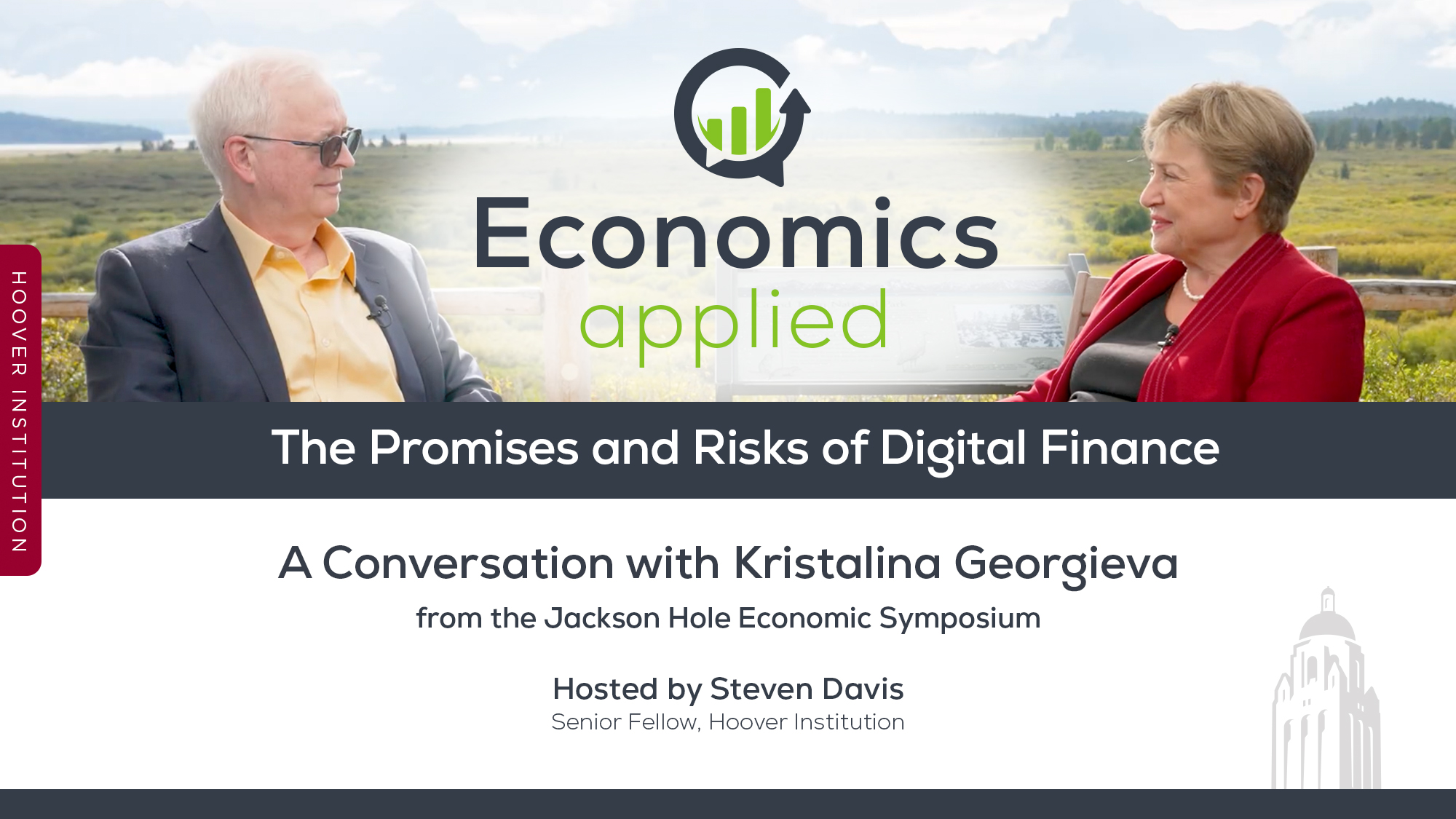
The Promises And Risks Of Digital Finance

How can we reap the benefits of financial innovation while ensuring a sound, trustworthy financial system? Steven Davis asks IMF head Kristalina Georgieva at Jackson Hole.

September 16, 2026