Public Choice And Politics Without Romance Featuring Mike Munger
Would you give the politician you trust least the same powers you want government to have?
September 28, 2026

AUDIO ONLY Tyler Goodspeed, the former director of the White House Council of Economic Advisers and currently the Kleinheinz Fellow at the Hoover Institution at Stanford University, explains why he pursued a job in the Trump administration, gives his thoughts on the economic policies of the Biden administration, and describes what it was like to watch one of the strongest economies in the history of the world implode over the course of several weeks in the spring of 2020.

Tyler Goodspeed is the former director of the White House Council of Economic Advisers and currently the Kleinheinz Fellow at the Hoover Institution at Stanford University. He has published three volumes on economic history and holds undergraduate, master’s, and doctoral degrees from Harvard University. He has also studied at Cambridge and Oxford Universities and taught at King’s College London. Goodspeed explains why he pursued a job in the Trump administration, gives his thoughts on the economic policies of the Biden administration, and describes what it was like to watch one of the strongest economies in the history of the world implode over the course of several weeks in the spring of 2020.
Recorded on May 26, 2021
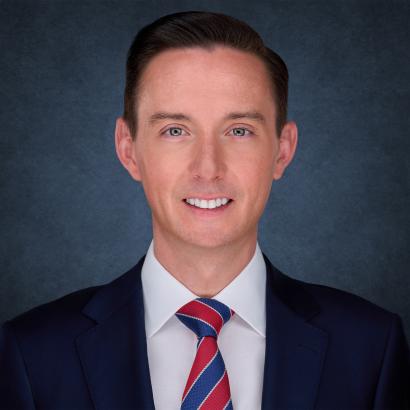
Tyler Goodspeed
Would you give the politician you trust least the same powers you want government to have?
September 28, 2026
Articles
Interest-paying electronic money, completely safe without deposit insurance, would be a great thing. For example, Silicon Valley Bank would never have had huge uninsured deposits that ran if there had been an easy safe place for large depositors to put their money.
September 22, 2026
Videos
Ken Rogoff says he was right about secular stagnation, real interest rates, and what it means for fiscal policy.
September 25, 2026