


Library & Archives
Since 1919, the Hoover Institution Library & Archives at Stanford University has been an international center for documentation and research. It serves as a learning organization and a repository of knowledge holding more than one million volumes and nearly 7,000 archival collections pertaining to war, revolution, and peace.
Welcome
For over 100 years, the Hoover Institution Library & Archives has served as a platform for a vibrant community of scholars and a broad public interested in the meaning and role of history. We collect, preserve, describe, and make available for research the most important library material and archival collections on war, revolution and peace from across the globe. We build connections to these records through a robust program of fellowships, workshops, exhibitions, and outreach.
The activities of the Library & Archives are carried out with Herbert Hoover’s words in mind:
"The overall mission of this Institution is, from its records, to recall the voice of experience against the making of war, and by the study of these records and their publication, to recall man's endeavors to make and preserve peace, and to sustain for America the safeguards of the American way of life. This Institution is not, and must not be, a mere library. But with these purposes as its goal, the Institution itself must constantly and dynamically point the road to peace."
Explore
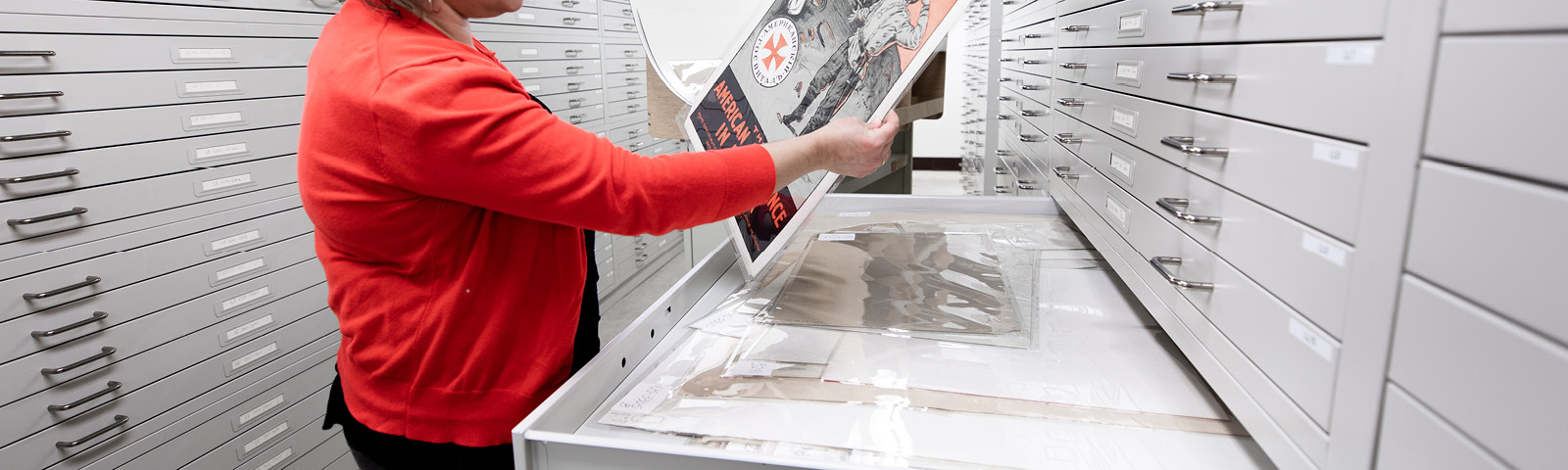
Explore nearly one million volumes and over six thousand archival collections from 171 countries.
EngageVisit our exhibitions and learn about our collections through our education and outreach in-person, online, and hybrid programs.
ResearchLearn about how we can support your research efforts, in-person and virtually.
Highlights
Court Rules Li Rui Collection To Remain At The Hoover Institution, Stanford University
A district court in Oakland, CA, has ruled to uphold the expressed wishes of Li Rui, a former…
Featured Events
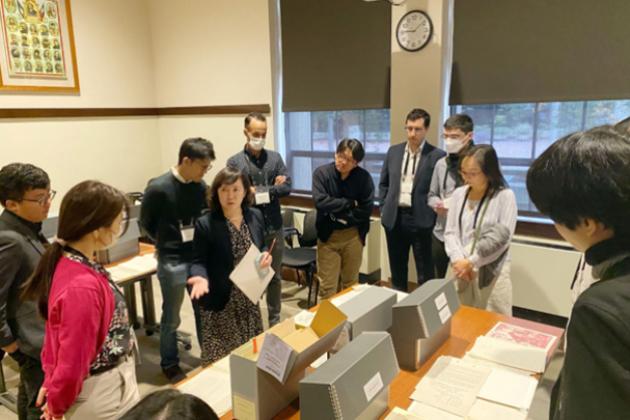
Fourth International Workshop on Japanese Diaspora
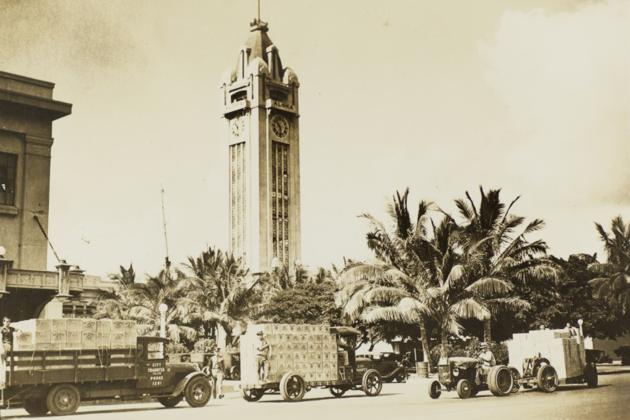
Traversing The Socio-Economic Frontiers Of The Empire Of Japan And The Pacific World
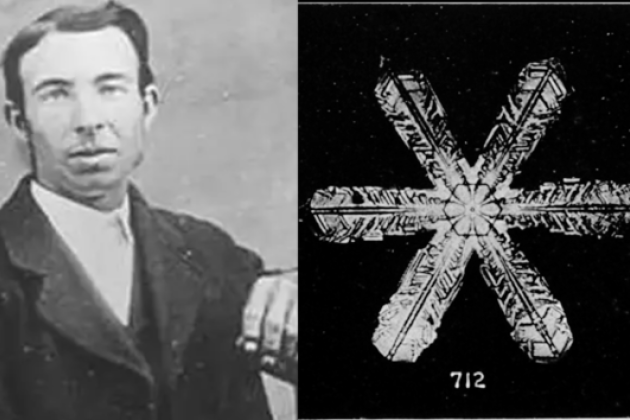
Wilson Bentley’s Army Of Souls: A Photographic Requiem Of The American Civil War
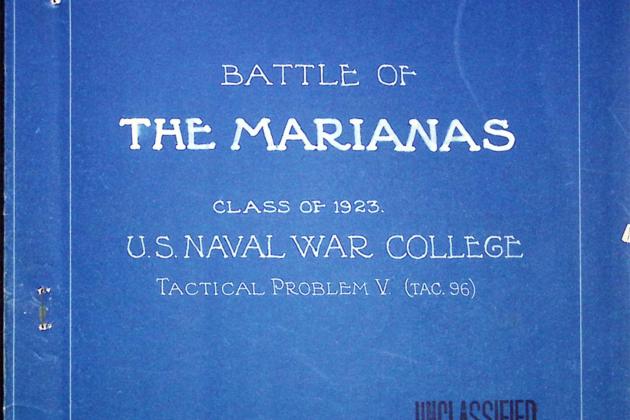
Wargaming The Pacific: Lessons From The Naval War College's Interwar Games
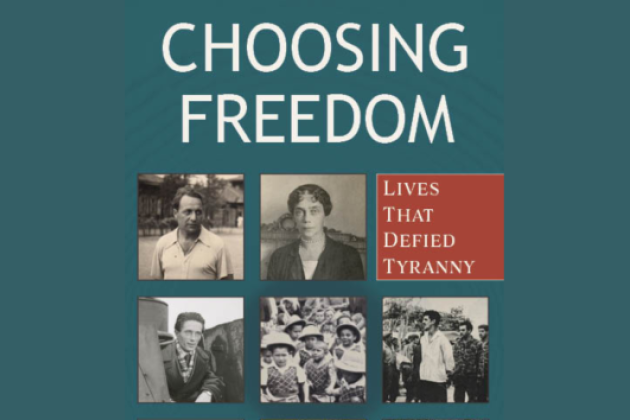
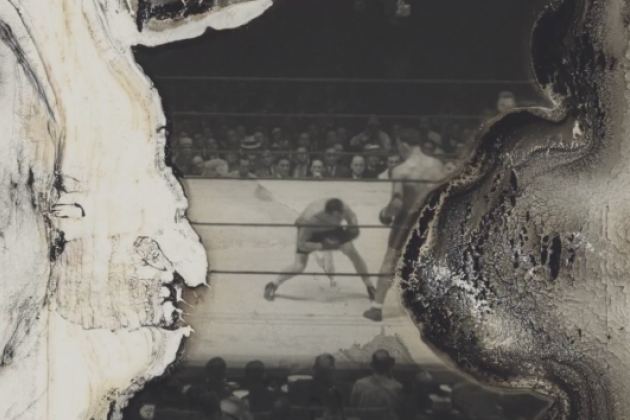
Fragile Frames: Early 20th Century Nitrate Cinema
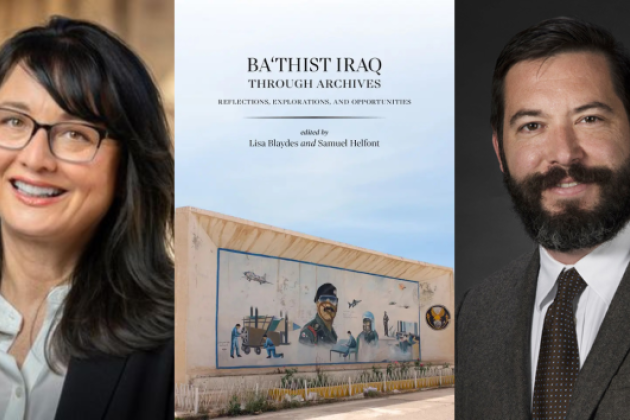
Book Talk: "Ba‘thist Iraq Through Archives Reflections, Explorations, and Opportunities" by Lisa Blaydes and Samuel Helfont
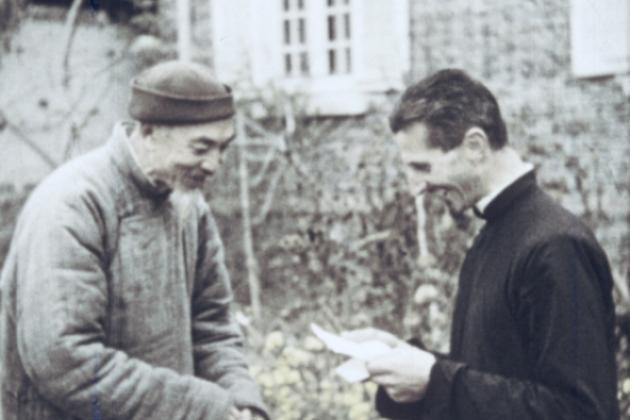
Fragmented Visions: Civil War China In Lost Films By American Jesuit Missionaries, 1947–1948
Archives Uncovered: Revealing The Third Reich And The Inner Lives Of Extremists
The Party's Interests Come First: The Life Of Xi Zhongxun, Father Of Xi Jinping
Gallery Talk: Behind The Scenes Of "Eastern Europe And Beyond"
Hoover’s “Photographic Albums Revealed”: Looking Back And Ahead
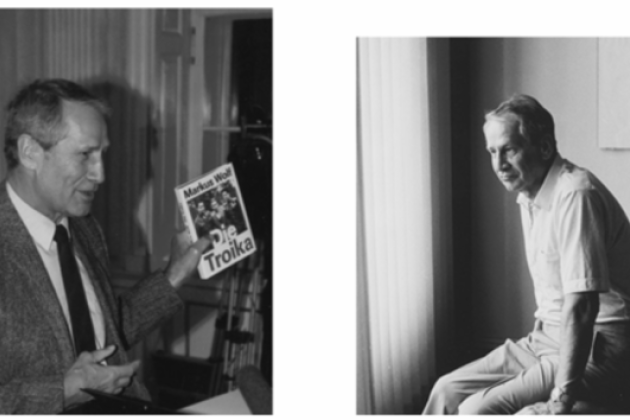
Book Talk: "The Troika: The Troika: A Story of Three Families, Friendship, and the Cold War"
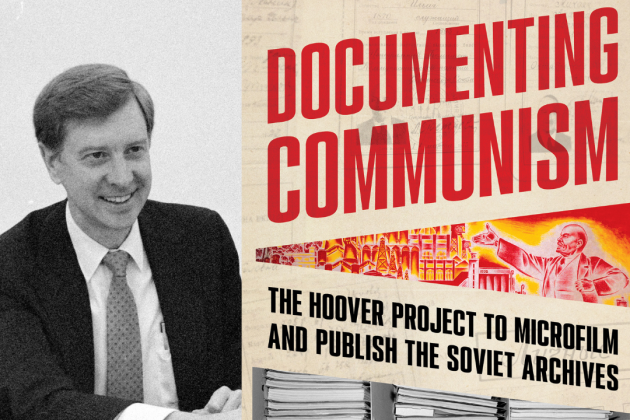
Documenting Communism: The Hoover Project To Microfilm And Publish The Soviet Archives
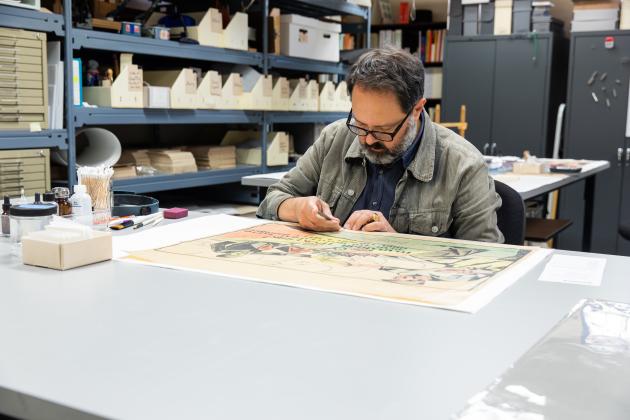
Gallery Talk: Mounting Flat Paper Objects For Display By Laurent Cruveillier
Journey Through Hoover’s Past And Present: The Origin And Operations Of The Library & Archives