








Articles
The Rich World’s Climate Distraction
The World Bank and other institutions lose their focus on the best ways to help the poor.
September 1, 2026
Published October 3, 2022
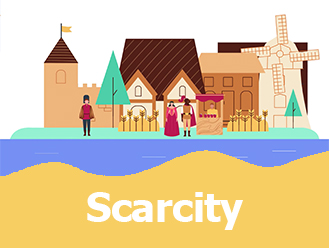
In some countries, the government controls the production and supply of goods and services, and it doesn’t generally work. Government officials can’t accurately predict what people will want and how to price it. So, who controls supply and demand, if not the government?
Discussion Questions:
Like most people, you don’t want the government making all your decisions for you. You are smart. You are capable. You are the master of your own prosperity.
While prosperity isn’t all about the stuff you own, some of your goals probably include material things. A car. A drone. A statue of a scholarly panda.
But if we’re all busy making decisions for ourselves, who makes sure everyone has access to the things they want to buy?
Is that where the government steps in? They might consult experts to make educated guesses about the level of demand for different stuff, then set manufacturing and production plans and limits to help everyone get what they need.
Let’s help them out. Here’s a pen. Now try to write down what you’ll want to buy six months from now and how much you’re willing to pay for those things. Be specific, if you can. How many avocados? What color of car? Would you still get that video game if the price goes up by three dollars?
Time’s up! Now go ahead and put your list on the pile with the others. Hopefully everyone was as accurate as possible, and best of luck to our experts as they sort through everything to make their recommendations.
So we all know that’s not really how it really goes, but in some countries, the government does call the shots on production, and it doesn’t generally result in widespread prosperity.
Even with the best of intentions, it’s just not realistic for government-appointed committees to successfully figure out what everyone wants, what it will cost to make, and how to get enough of it. They end up with extra goods no one’s interested in and shortages of goods that people really want.
So if there are no experts or officials buried under piles of data trying to decide what should be made, who does decide? How does our economy produce more food, more cars, and (probably) more panda statues than at any other time in history? We have easy access to almost all the goods and services we want, so something about the system is working—but who controls it?
We all do.
Sure, we’re not filling out surveys about our purchasing behavior, but we tell the economy what we want every day. It’s all in our choices. We decide what we buy and don’t buy, and that tells businesses what we want and how much we’re willing to pay. No paperwork needed.
Our purchasing decisions translate into prices. The latest jet ski model is priced higher than the older version because it’s in higher demand. But, if another business can make an equal product and charge less for it, the demand will shift to that more affordable option. This competition creates more options, lower prices, and much, much cooler jet skis.
That’s not to say the government doesn’t have anything to do with this process—it definitely does. We need the government to enforce contracts and hold swindlers, fraudsters, and bamboozlers responsible for their actions.
The government plays its important role in the economy without having to guess what we want, and our future prosperity is left in good hands—our own.
Articles
The World Bank and other institutions lose their focus on the best ways to help the poor.
September 1, 2026
Videos
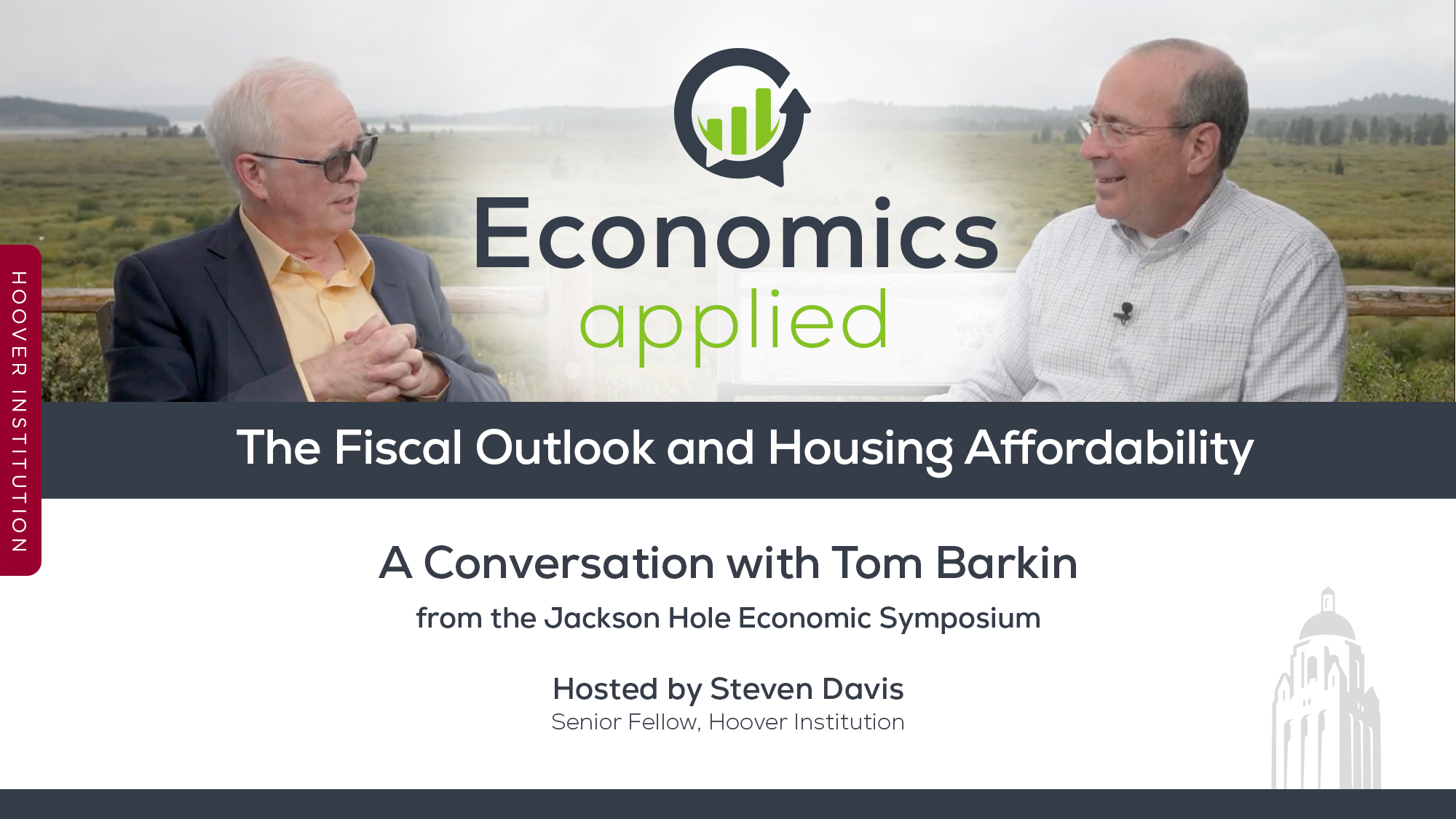
Richmond Fed president and CEO Tom Barkin joins Steve to discuss Kevin Warsh’s keynote speech at the Jackson Hole Economic Policy Symposium.
September 4, 2026
Videos
House Financial Services Committee chair French Hill joins Jon Hartley to discuss housing supply in the United States, crypto rules, securities reform, and expanding access to capital.
September 1, 2026