

















Articles
The Rich World’s Climate Distraction
The World Bank and other institutions lose their focus on the best ways to help the poor.
September 1, 2026
Published October 3, 2022
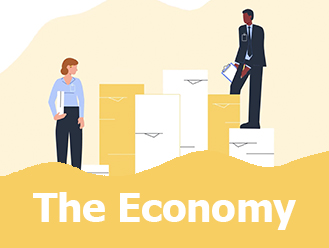
Prosperity is more widespread than ever before, but we can still do better. How can governments try to expand prosperity? Some look to redistribution, but that can take away some of the incentive to pursue new ideas, take on new projects, or start companies. Instead, government can better promote widespread prosperity by following the rule of law. Found out what that looks like.
Discussion Questions:
Two centuries ago, prosperity was pie in the sky for most people—something both amazing and unlikely. Prosperity today is more widespread than ever before, but, like a pie, it doesn’t just appear out of nowhere.
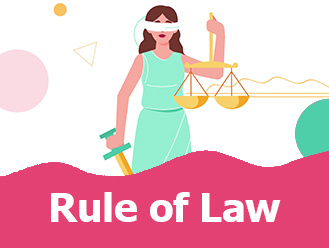
Over the years, governments of prosperous countries have enacted laws designed to be applied equally to everybody and have tended to avoid rules that are unfair.
They left most decisions in the hands of individuals rather than government officials. The results—technological advancements, improved healthcare, greater quality of life. Overall—prosperity.
But, even with the rule of law in place, prosperity isn’t distributed equally to everyone. Some become ridiculously wealthy while others still struggle.
So how can we ensure prosperity is widely shared rather than kept in the clutches of a few ultra-rich elite? One answer is to redistribute wealth—take it from people who have a lot and give it to people who have less, Robin Hood-style. The government does some of that through taxes, but it’s not a perfect system.
Too much redistribution can make people less likely to chase ideas and take on new projects. Taking wealth away from the people improving lives doesn’t exactly inspire future inventors and entrepreneurs.
We, as a society, want to reward people who create new technologies because that will encourage even more new inventions. Same goes for curing a disease or figuring out how to produce more affordable, higher quality goods. The wealth that you’d generate for yourself with the invention or discovery is a small fraction of the total prosperity those actions create for society.
That’s the kind of economy that benefits everyone.
However, not all wealth creation results from activities that make everyone better off. Too many individuals acquire their fortunes by exploiting others. They’re not expanding the prosperity pie for everyone—they’re just taking a bigger piece for themselves.
You don’t have to look very far to find them. They’re the CEOs lobbying the government for subsidies, asking for money so they can increase their profits. Or they’re the business owners who demand that the government prevent other companies from competing with them to provide a good or service.
These people and businesses enlist the government to grant them a monopoly and restrain or eliminate their competition. They get rich by gaming the system at taxpayers’ expense, not by creating more value and improving lives. Economists call this behavior “rent-seeking”—and, if we want more widespread prosperity and opportunities for all, it has to stop.
So where does it start? Rent-seeking is way more widespread in countries where the government controls a majority of economic activity. Despite promising greater equality, this control creates an environment where the only way to become wealthy is to get special favors and privileges from the government.
To stop rent-seeking and support prosperity, let’s look back to where we began. We need laws that apply equally to all while leaving most choices in the hands of individuals.
Even in our current, imperfect world, governments create more opportunities for prosperity when they give people incentives to do what’s best for everyone. And, just as importantly, these governments limit the ability of people to use the government to take wealth from others.
We should all want each other to thrive. When the government tries to do too much, it can reduce prosperity for most while benefiting only a few. We’re more able to achieve prosperity when the government takes a balanced, modest approach and enacts laws that apply equally to all.
Articles
The World Bank and other institutions lose their focus on the best ways to help the poor.
September 1, 2026
Videos
Richmond Fed president and CEO Tom Barkin joins Steve to discuss Kevin Warsh’s keynote speech at the Jackson Hole Economic Policy Symposium.
September 4, 2026
Videos
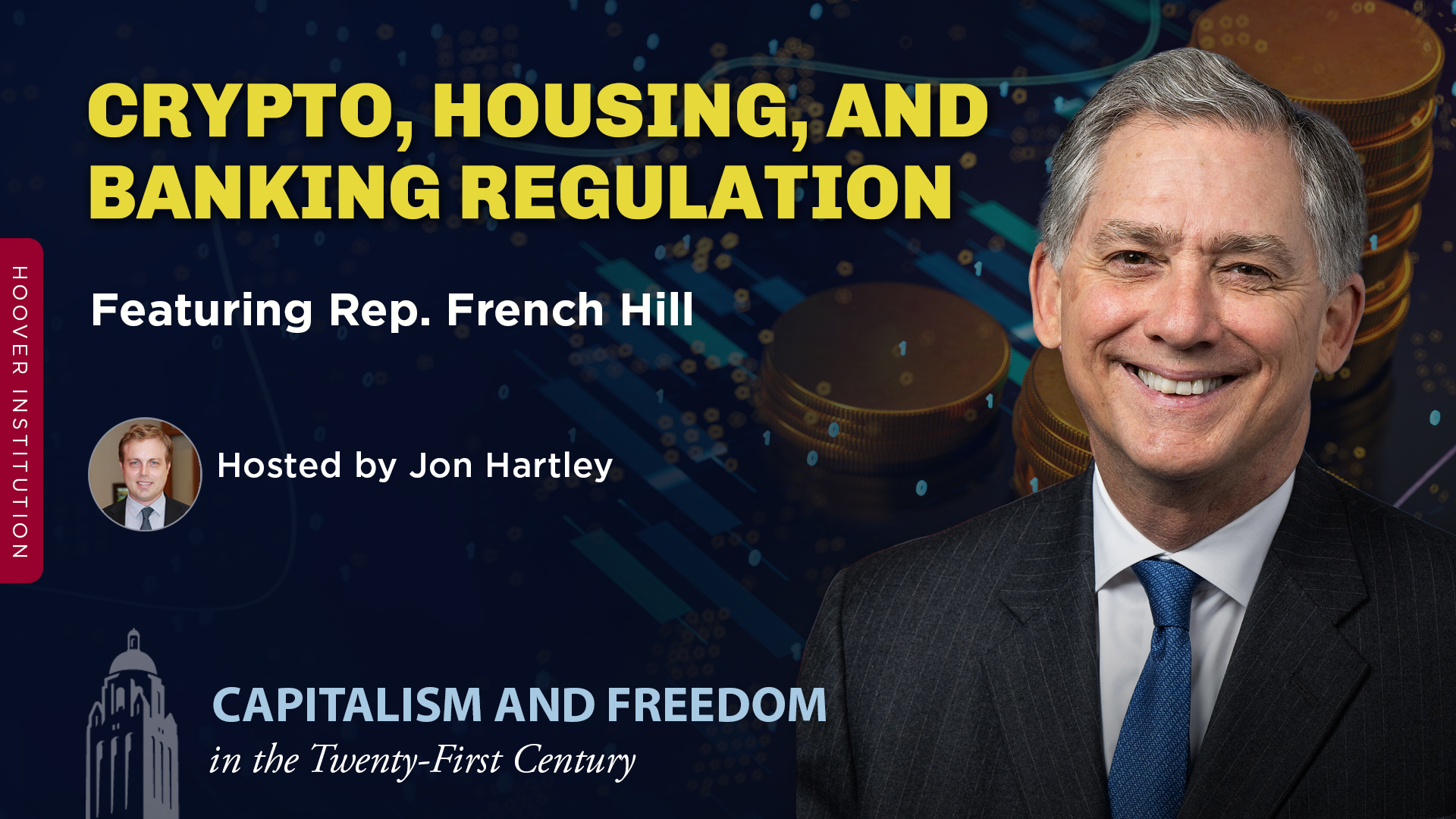
House Financial Services Committee chair French Hill joins Jon Hartley to discuss housing supply in the United States, crypto rules, securities reform, and expanding access to capital.
September 1, 2026