Published February 9, 2026
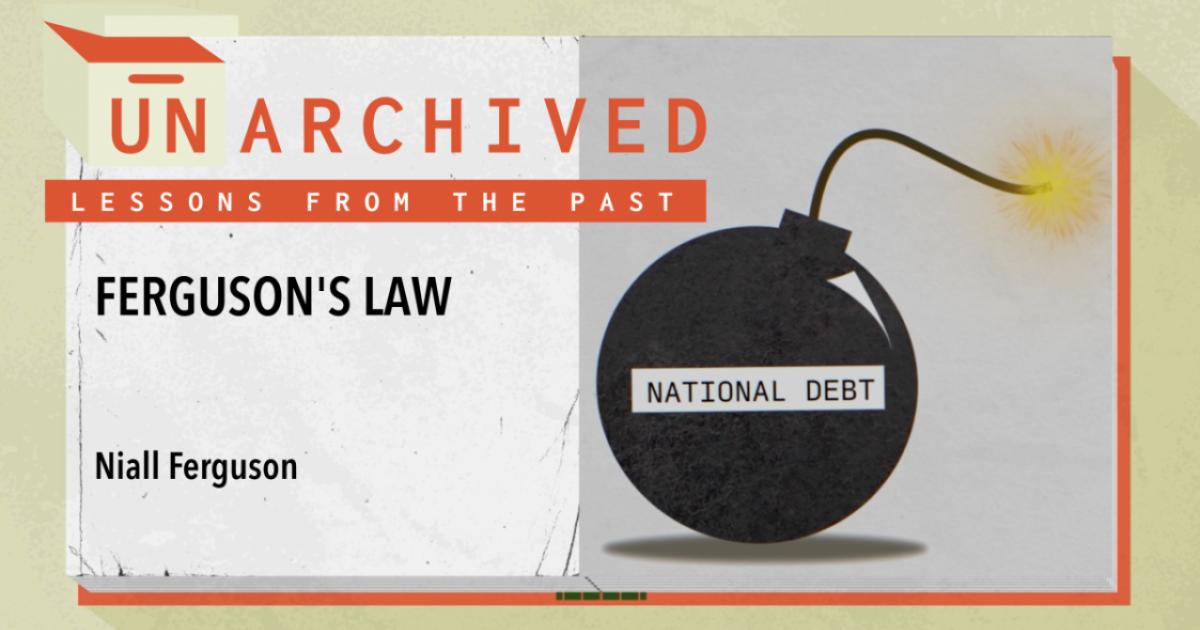
For the first time since 1934, US interest payments on the national debt now exceed annual defense spending, a reversal with profound implications for American power. History suggests that when great powers devote more resources to servicing debt than to sustaining military capability, decline becomes difficult to avoid.
From Habsburg Spain and revolutionary France to the Ottoman Empire and post–World War I Britain, rising debt burdens constrained defense, weakened deterrence, and accelerated geopolitical retreat. In each case, fiscal imbalance limited the ability to project power and respond to emerging threats.
Today, the United States faces a similar risk as entitlement-driven debt growth crowds out defense spending. Without meaningful fiscal reform, including changes to entitlement programs and debt management, America may find its global leadership increasingly constrained by the cost of past obligations rather than the demands of present security.
Learn more from Sir Niall Ferguson:
- Read "Debt Has Always Been the Ruin of Great Powers. Is the U.S. Next?" by Sir Niall Ferguson here.
- Watch GoodFellows, a podcast with Sir Niall Ferguson, here.
- Watch "Patterns of Power in Trump's Presidency" with Sir Niall Ferguson here.
Learn more about Sir Niall Ferguson here.
__________
The opinions expressed in this video are those of the authors and do not necessarily reflect the opinions of the Hoover Institution or Stanford University.
© 2026 by the Board of Trustees of Leland Stanford Junior University.