Published July 23, 2020

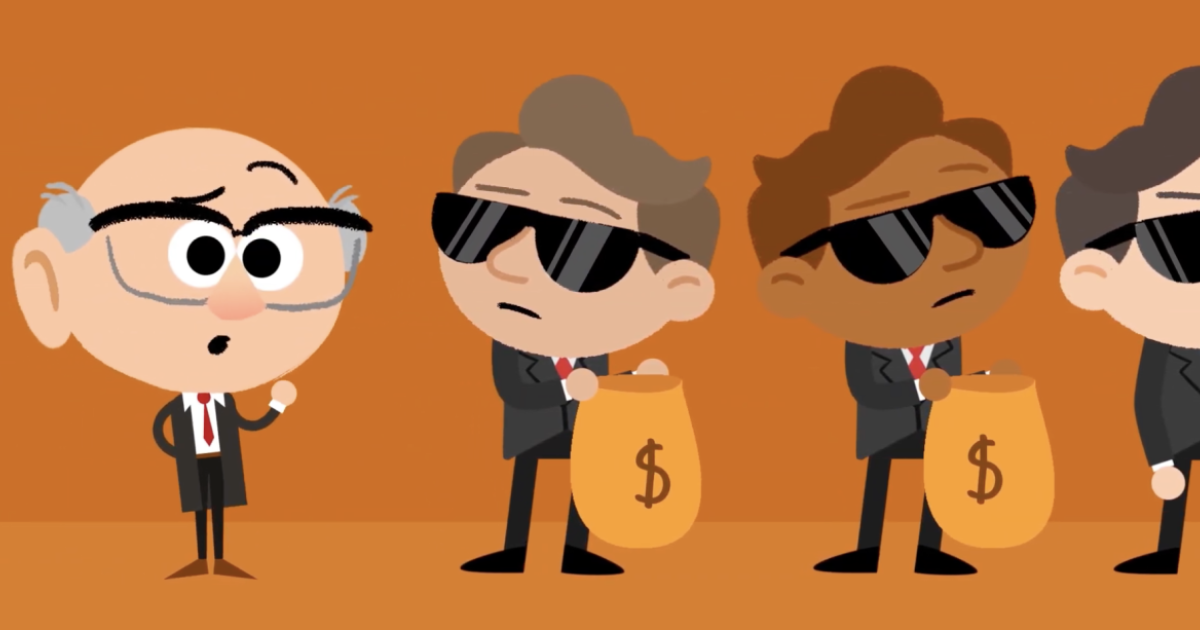
Milton Friedman explains Keynesian economics and its influence on politicians and deficit spending. Theories made popular by John Maynard Keynes advocate for increased government spending during recessions and suggest that government should make up the difference if private spending isn’t high enough to boost the economy. Unfortunately, politicians have embraced Keynes’s ideas as a reason to spend, regardless of the state of the economy.

Discussion Questions

  1. What are the economic effects of governments running large budget deficits during economic booms?
  2. Why did Keynesian ideas win over the politicians? 

Cast

Milton Friedman

Milton Friedman

A new orthodoxy emerged in the 30’s, one that has remained powerful to this day.

It owes its influence to the brilliance of one man.

John Maynard Keynes was unquestionably, one of the greatest economists of all time.

The core of his theory was that what happened to the quantity of money didn’t matter.

What really mattered was a particular category of spending; in economists’ jargon, autonomous spending.

It might be investment by business enterprises in building factories and adding to the number of machines and adding to inventories. It might be spending by individuals to build houses.

Or, most important of all, it might be deficit spending by government.

If private spending on investment, on house building, was not enough to maintain full employment, then government could always step in and spend enough to make up the difference.

The theory of pump priming was born.

The theory was a godsend to politicians who had been grasping at any expedient.

And here along came a scientific theory, offered under the most responsible of auspices, that justified what they had been wanting to do all along.

Is it any wonder that government spending has exploded ever since, or that deficit spending or that deficit spending has become the order of the day

Related

VIDEO

Is Minimum Wage A Dead End?

Minimum wage policy is intended to increase earnings for low-wage workers and reduce poverty. Evidence from state-level increases, however, shows that businesses may respond by changing how many people they employ, how many hours they offer, whom they hire, and how much work they automate. Workers who remain employed may earn more per hour, but others may lose income or job opportunities, while many of those who benefit do not live in poor households. The Earned Income Tax Credit (EITC) directs support toward low-income working families without putting other workers’ jobs or hours at risk.

Articles

Money and Power: Historical Lessons for Stablecoins and U.S. Dollar Dominance

Economics Working Paper 26126

September 8, 2026

Videos

California’s War On Wealth—And America’s War On Terror

Is the progressive dream of wealth taxes soon to be reality – or a fiscal and economic nightmare – should voters approve Proposition 40 and a one-time 5% tax on the holdings of the Golden State’s billionaire class? And 25 years after one of the darkest days in the republic’s history, what is the legacy of the 9/11 attacks on America?

September 9, 2026