




The Pacific Century

The Pacific Century: Learning From Hanoi And The Trade Deal With China

Why Hanoi was not a failure; and whether the focus of the US-China trade deal should be on the theft of American inventions instead of tariffs and trade deficits.

The Pacific CenturyMarch 6, 2019
The Pacific Century: Learning From Hanoi And The Trade Deal With China

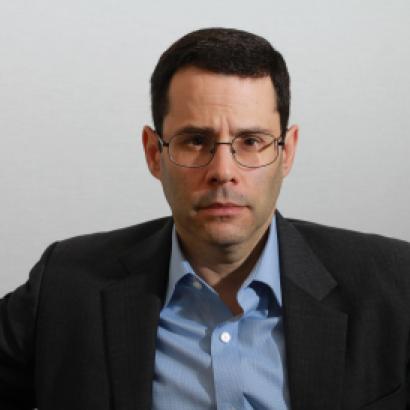
Hoover Institution fellows Michael Auslin and John Yoo discuss two major developments in Asia. First, they explain why the “failure” of the Hanoi summit between President Trump and North Korean leader Kim Jong-un wasn’t a failure at all. They then dissect the details of a proposed trade deal between the United States and China, asking whether policymakers miss the boat when they focus on tariffs and trade deficits instead of the theft of American inventions.

Did you like the show? You can rate, review, subscribe, and download the podcast on the following platforms:
Podbean | Apple Podcasts Overcast | Spotify RSS

Cast

Michael Auslin

Michael Auslin

John Yoo

John Yoo

Related

VIDEO

Should We Regulate AI (Before It's Too Late)?

Artificial intelligence could become one of the most consequential drivers of productivity and economic growth in a generation. Yet concerns about job displacement, misinformation, and political disruption have prompted calls to regulate the technology before its effects are fully understood. History shows that major innovations disrupt existing industries while creating new forms of work and enterprise that policymakers rarely anticipate. Premature regulation risks entrenching established firms, limiting competition, and expanding government influence over information. The challenge is to address genuine harms while preserving the freedom and experimentation that allow innovation to advance.

Videos

Incentives Are For Losers Featuring Adam Mastroianni

Adam Mastroianni and Russ Roberts explore what it takes to do the right thing when the incentives point the other way.

September 14, 2026

VIDEO

Is Minimum Wage A Dead End?

Minimum wage policy is intended to increase earnings for low-wage workers and reduce poverty. Evidence from state-level increases, however, shows that businesses may respond by changing how many people they employ, how many hours they offer, whom they hire, and how much work they automate. Workers who remain employed may earn more per hour, but others may lose income or job opportunities, while many of those who benefit do not live in poor households. The Earned Income Tax Credit (EITC) directs support toward low-income working families without putting other workers’ jobs or hours at risk.