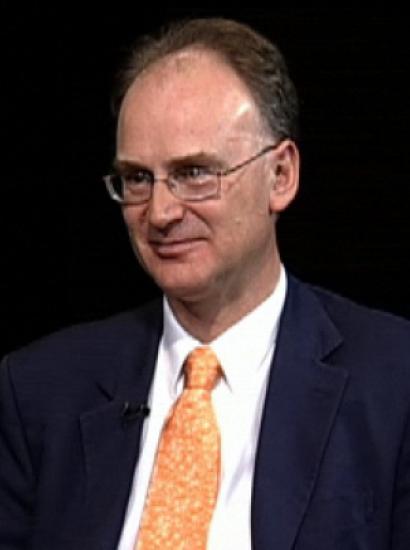
Recorded on May 6th, 2020

A true Renaissance man, Matt Ridley is a British journalist, a member of the House of Lords, a businessman, and the author of many publications, including The Rational Optimist, his very influential book about the innate human tendency to trade goods and services, which he argues is the source of all human prosperity. Ridley’s new book, How Innovation Works, chronicles the history of innovation and argues that we need to change the way we think about innovation, to see it as an incremental, bottom-up, fortuitous process that happens to society as a direct result of the human habit of exchange, rather than as an orderly, top-down process developing according to a plan. Ridley also discusses the impact of the COVID-19 crisis on the world’s economies, the real story of Thomas Edison and why he was one of the greatest innovators in human history, why China may not be the threat it appears to be (at least not technologically), and some predictions as to what the world may look like in 2050. 

To view the transcript of this conversation, click here.
Cast

Matt Ridley

Matt Ridley

Related

VIDEO

Should We Regulate AI (Before It's Too Late)?

Artificial intelligence could become one of the most consequential drivers of productivity and economic growth in a generation. Yet concerns about job displacement, misinformation, and political disruption have prompted calls to regulate the technology before its effects are fully understood. History shows that major innovations disrupt existing industries while creating new forms of work and enterprise that policymakers rarely anticipate. Premature regulation risks entrenching established firms, limiting competition, and expanding government influence over information. The challenge is to address genuine harms while preserving the freedom and experimentation that allow innovation to advance.

Videos

Incentives Are For Losers Featuring Adam Mastroianni

Adam Mastroianni and Russ Roberts explore what it takes to do the right thing when the incentives point the other way.

September 14, 2026

VIDEO

Is Minimum Wage A Dead End?

Minimum wage policy is intended to increase earnings for low-wage workers and reduce poverty. Evidence from state-level increases, however, shows that businesses may respond by changing how many people they employ, how many hours they offer, whom they hire, and how much work they automate. Workers who remain employed may earn more per hour, but others may lose income or job opportunities, while many of those who benefit do not live in poor households. The Earned Income Tax Credit (EITC) directs support toward low-income working families without putting other workers’ jobs or hours at risk.