Uncommon Knowledge with Peter Robinson

How Innovation Works, with Matt Ridley

AUDIO ONLY The impact of the COVID-19 crisis on the world’s economies, the real story of Thomas Edison and why he was one of the greatest innovators in human history, why China may not be the threat it appears to be (at least not technologically), and some predictions as to what the world may look like in 2050.


Uncommon Knowledge with Peter RobinsonMay 18, 2020
How Innovation Works, with Matt Ridley

Recorded on May 6, 2020

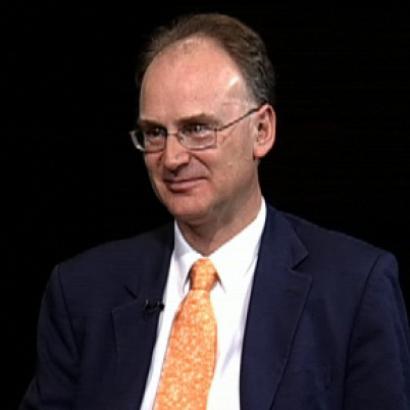
A true Renaissance man, Matt Ridley is a British journalist, a member of the House of Lords, a businessman, and the author of many publications, including The Rational Optimist, his very influential book about the innate human tendency to trade goods and services, which he argues is the source of all human prosperity. Ridley’s new book, How Innovation Works, chronicles the history of innovation and argues that we need to change the way we think about innovation, to see it as an incremental, bottom-up, fortuitous process that happens to society as a direct result of the human habit of exchange, rather than as an orderly, top-down process developing according to a plan. Ridley also discusses the impact of the COVID-19 crisis on the world’s economies, the real story of Thomas Edison and why he was one of the greatest innovators in human history, why China may not be the threat it appears to be (at least not technologically), and some predictions as to what the world may look like in 2050.
Cast

Matt Ridley

Matt Ridley

Related

Congressional Testimony

Examining Healthcare Markets: Fraud And Competition

(23:52) Hoover Institution fellow Dr. Brian Miller testifies in front of the House Judiciary Subcommittee on the Administrative State, Regulatory Reform, and Antitrust in a hearing titled "Examining Healthcare Markets: Fraud and Competition."

September 14, 2026

VIDEO

Should We Regulate AI (Before It's Too Late)?

Artificial intelligence could become one of the most consequential drivers of productivity and economic growth in a generation. Yet concerns about job displacement, misinformation, and political disruption have prompted calls to regulate the technology before its effects are fully understood. History shows that major innovations disrupt existing industries while creating new forms of work and enterprise that policymakers rarely anticipate. Premature regulation risks entrenching established firms, limiting competition, and expanding government influence over information. The challenge is to address genuine harms while preserving the freedom and experimentation that allow innovation to advance.

Articles

Can We Solve Gun Violence?

Cities are the economic engine of America. The gravest threat to that engine is gun violence. Beyond the lives lost and families devastated, every murder that happens in an American city reduces that city’s population by seventy people—fewer people and businesses moving in, more moving out.

September 10, 2026