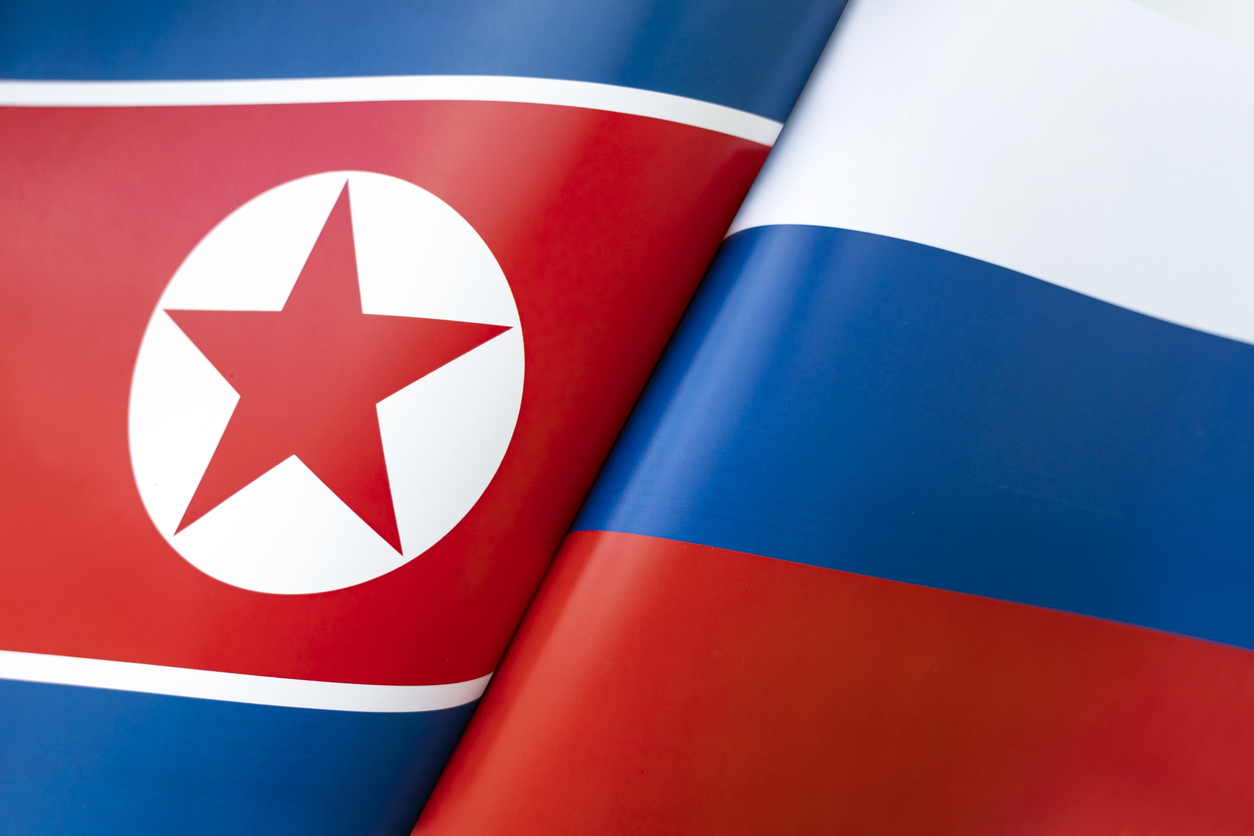
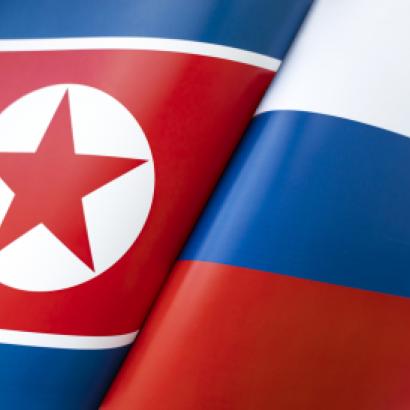
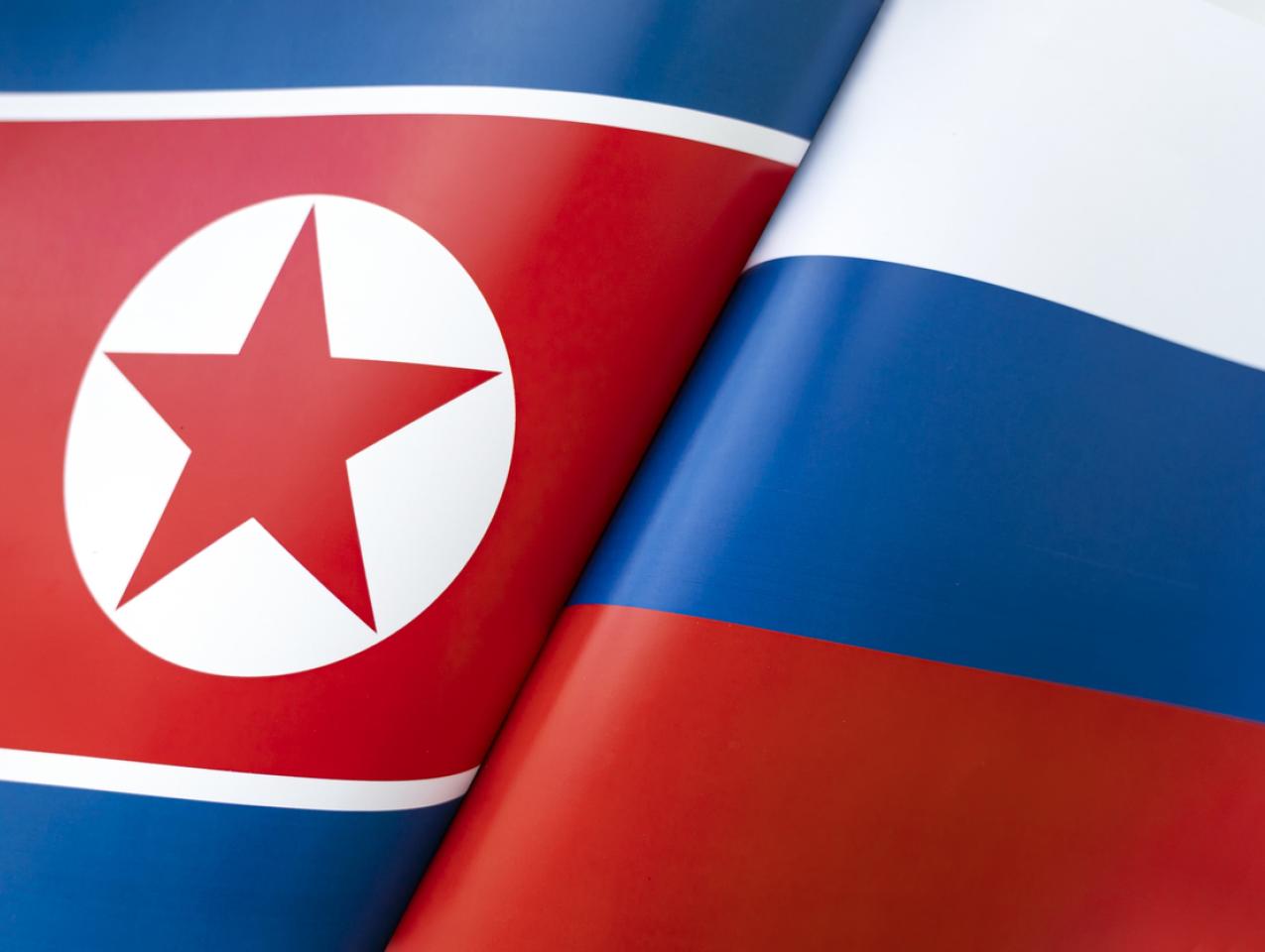
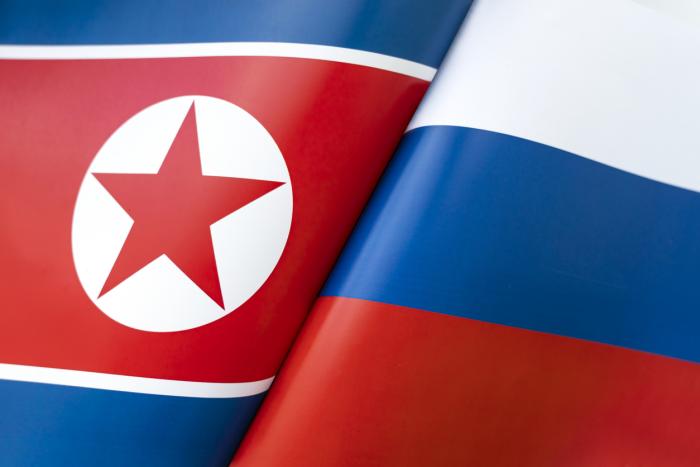
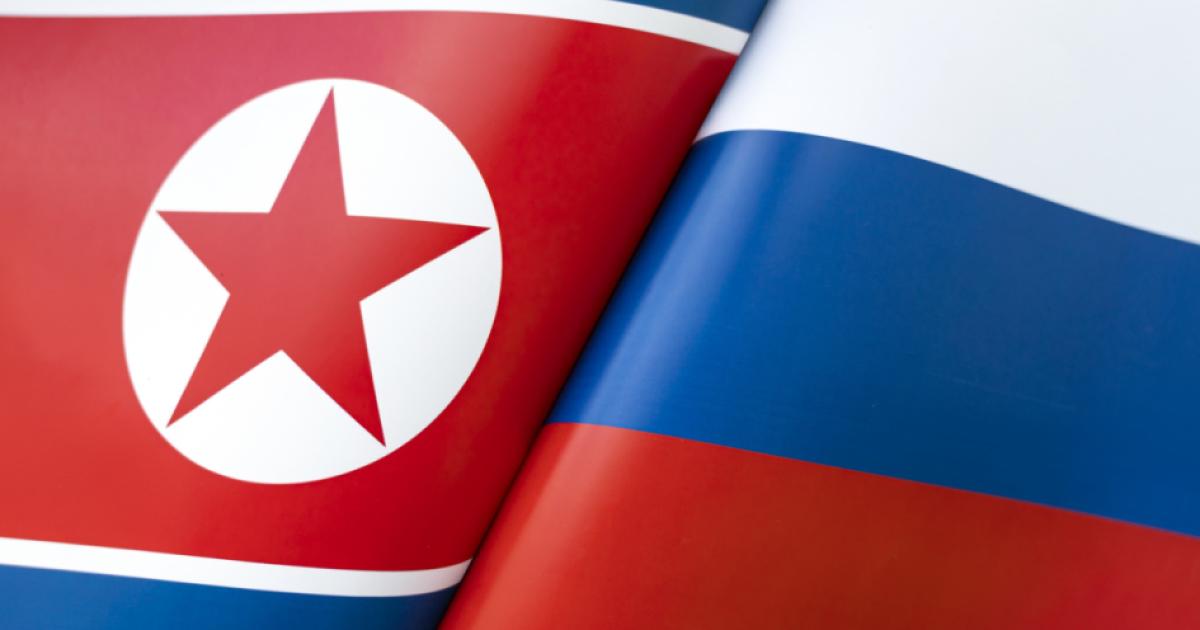
North Korea's military ties with Russia have deepened significantly in recent years, marked by the 2024 Treaty on Comprehensive Strategic Partnership and the deployment of North Korean troops to Ukraine. These developments have reshaped what was once primarily a hard currency generation scheme into a militarized apparatus advancing the regime's broader geopolitical and strategic goals, with far-reaching global security implications.
Central to this shift is the growing integration of the labor export program into North Korea's military-economic complex under Kim Jong Un. The regime's pursuit of nuclear capabilities has driven the diversion of conventional military resources into economic operations. Military units—including those with ties to the WMD program through the Workers' Party of Korea's Second Economic Commission—are now dispatched abroad as workers to self-fund their operations, effectively erasing the distinction between civilian and military personnel and tying their labor directly to the state's strategic aims.
What do these geopolitical tensions and developments mean for the divided peninsula and the alliance?
Speakers
- Retired Lt. Gen In-bum Chun (Republic of Korea)
- Hanna Song (Director, Database Center for North Korean Human Rights)
- Justin Hastings (University of Sydney)
Discussant: Rose Gottemoeller, William J. Perry Lecturer, Freeman Spogli Institute for International Studies & Research Fellow, Hoover Institution
Chair: Ria Roy, Kleinheinz Fellow, Hoover Institution
| Wednesday, April 1st | ||
|---|---|---|
| Time | Content | Presenters |
|
4:00 - 4:05 PM |
Opening Remarks |
Chair: Ria Roy, Kleinheinz Fellow, Hoover Institution |
|
4:05 - 4:15 PM |
DPRK Overseas Laborers in Russia & the Development of DPRK’s Military Economic Complex |
Speaker: Hanna Song, Director of the Database Center for North Korean Human Rights |
|
4:15 - 4:20 PM |
DPRK Sanctions Evasion Scheme: Old & New |
Speaker: Professor Justin Hastings, University of Sydney |
|
4:20 - 4:30 PM |
Geopolitics: Lessons & Challenges Moving Forward |
Speaker: Retired Lt. Gen Chun In-bum, Republic of Korea |
| 4:30-4:40 Discussant |
Discussant |
Rose Gottemoeller, William J. Perry Lecturer, Freeman Spogli Institute for International Studies & Research Fellow, Hoover Institution |
| 4:40-5:15 |
Q&A Session |
-- |
Speaker Bios
Retired Lt. General Chun In-bum
Lieutenant General In-Bum Chun (ROK, Ret) served 38 years in the South Korean Army and retired in 2016. He commanded combat units from platoon to the division level and his final command position was Commanding General of the ROK Special Forces. He served in Iraq and Afghanistan. He is currently President of the Society for Army Alliance Korea, a Senior Fellow
with the Association of the United States Army.
Rose Gottemoeller
Rose Gottemoeller is the William J. Perry Lecturer at Stanford University's Center for International Security and Cooperation. Prior to joining academia, Gottemoeller was Deputy Secretary General of NATO (2016-19) after serving as Under Secretary for Arms Control and International Security at the State Department. In 2009-10, she was the chief U.S. negotiator of the New START Treaty with the Russian Federation, an experience captured in her memoir, Negotiating the New START Treaty, (2021, Cambria Press).
Justin Hastings
Justin Hastings is Professor of International Relations and Comparative Politics at the University of Sydney, where he is also the Deputy Director of the Centre for International Security Studies.
On North Korea, he has written about proliferation networks, sanctions evasion strategies, maritime security, entrepreneurialism, markets and civil society, drug trafficking, and scientific
research networks. On South Korea, he has studied foreign policy, defence exports, and technology transfer. He received a PhD in political science in 2008 from the University of
California, Berkeley.
Hanna Song
Hanna Song has served as the Executive Director of the Database Center for North Korean Human Rights (NKDB) since 2024, following her tenure with the organization beginning in 2015.
She leads NKDB’s strategic direction, organizational management, and international cooperation efforts, representing the organization’s work to the global community. In this capacity, she regularly briefs diplomats, policymakers, journalists, and international institutions on human rights conditions in North Korea and facilitates partnerships with stakeholders
including the United Nations, governments, and academic institutions.
Participants:
- Friedrich Asschenfeldt, Hoover Fellow
- Julieta Casas, Research Fellow
- Suha Choi, CISAC Honors student
- Admiral Jim Ellis, Annenberg Distinguished Visiting Fellow
- Eyck Freymann, Hoover Fellow
- Lucian Staiano-Daniels, Research Fellow
- Patrick Gaynor, National Security Affairs Fellow
- Anthony Gregory, Hoover Fellow
- Rose Gottemoeller, William J. Perry Lecturer, FSI & Research Fellow
- Haedar Hadi, Research Fellow
- Norman Joshua, Research Fellow
- Patrick Kennedy, CISAC Honors student
- Gabrielius Landsbergis, Bernard and Susan Liautaud Visiting Fellow, FSI
- Joseph Ledford, Hoover Fellow
- Norman Naimark, Distinguished Visiting Fellow
- Jian Ren, Research Fellow
- Sergey Sanovich, Hoover Fellow
- Kharis Templeman, Research Fellow
- Kaoru Ueda, Research Fellow
- Emily Wang, Research Fellow