


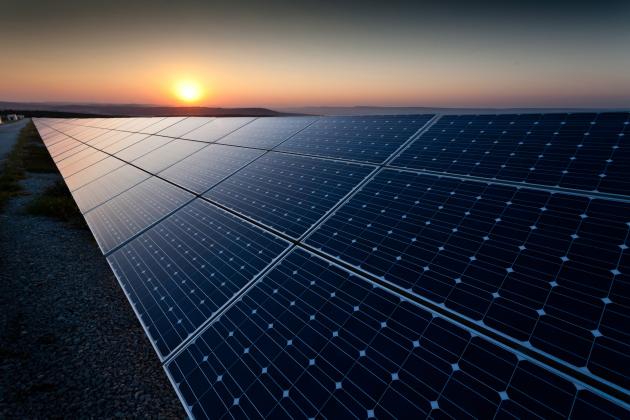
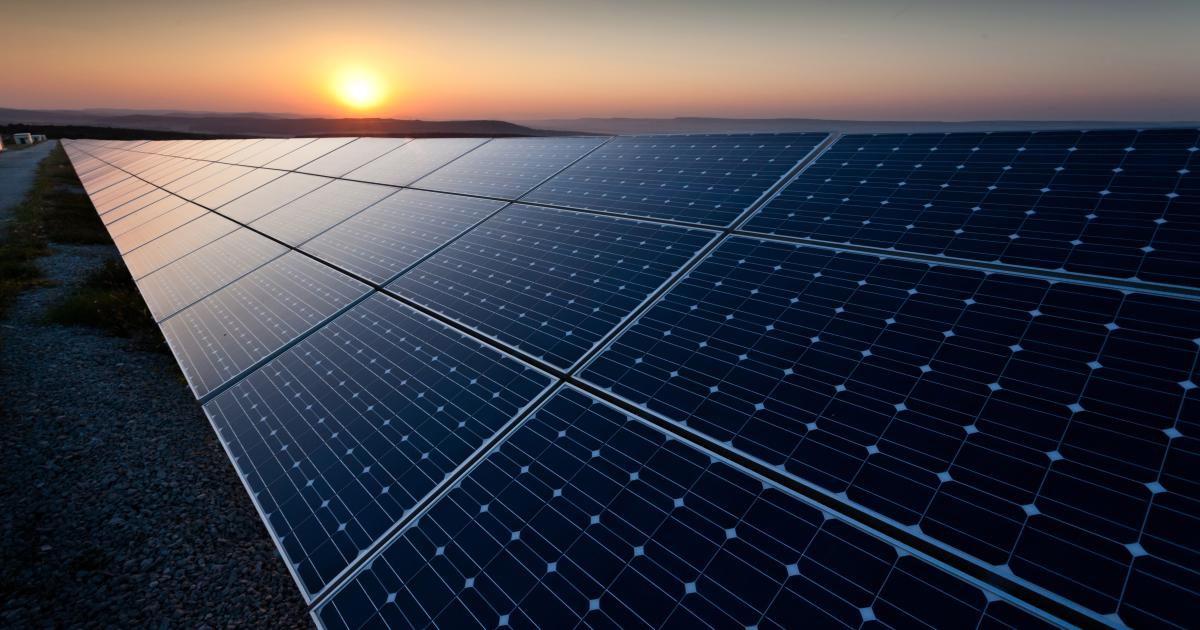
Abstract: Despite the observed disparities in US residential solar deployment, there is limited insight into whether these disparities exist for the non-residential sector. Here we use DeepSolar, a comprehensive photovoltaic database constructed with satellite imagery, to assess solar deployment equity based on the US Justice40’s disadvantaged community measure. We find that disadvantaged communities have less non-residential solar (−38%), but this disparity is notably higher for residential solar (−67%). Across-state variations are consistent for residential solar (−81% to −49%) yet highly heterogeneous for non-residential solar (−66% to +34%). Using scenarios to explore the potential for microgrids powered by solar on building rooftops larger than 1,000 square metres, we estimate that 63% of disadvantaged communities could meet at least 20% of annual residential electricity demand. Our research argues for a new focus on non-residential solar as a way to strengthen resilience and accelerate local deployment of clean energy resources to promote energy justice.


- Library & Archives
- Events
- Subscriptions
- Research Programs
- Support
-
MyHoover

-
MyHoover
What is MyHoover?
MyHoover delivers a personalized experience at Hoover.org. In a few easy steps, create an account and receive the most recent analysis from Hoover fellows tailored to your specific policy interests.
Watch this video for an overview of MyHoover.
Create AccountForgot Password
Login?

-
MyHoover
-
MyHoover
What is MyHoover?
MyHoover delivers a personalized experience at Hoover.org. In a few easy steps, create an account and receive the most recent analysis from Hoover fellows tailored to your specific policy interests.
Watch this video for an overview of MyHoover.
Create AccountHave questions? Contact us
Forgot Password
Login?
-
Support Hoover
Support Hoover
Learn more about joining the community of supporters and scholars working together to advance Hoover’s mission and values.
Learn More


