



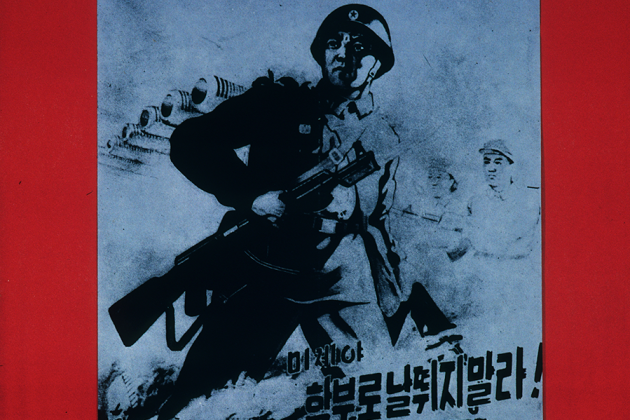
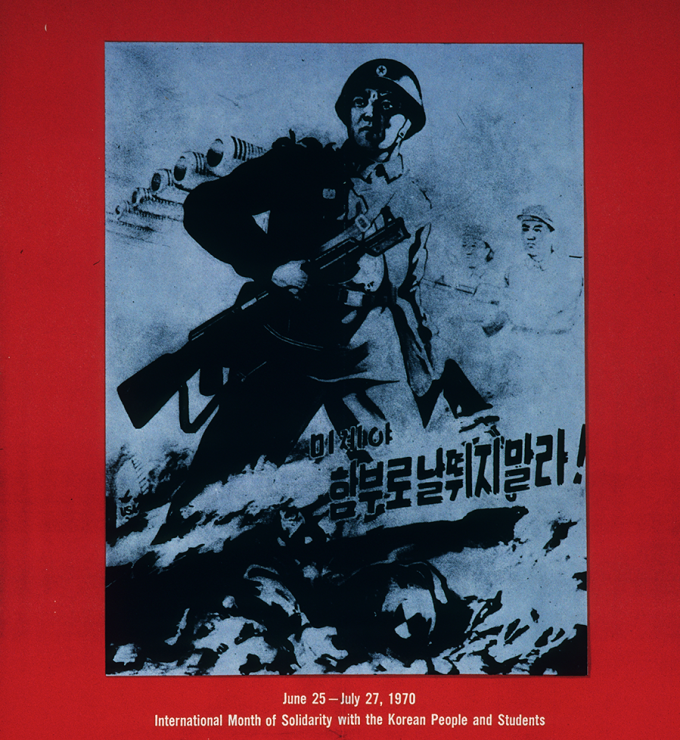
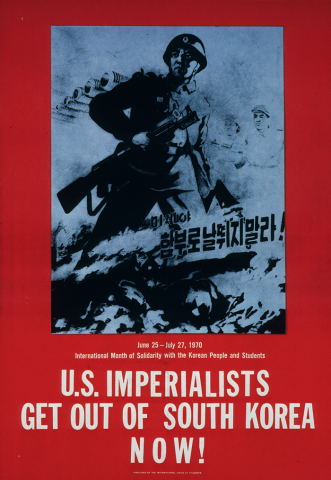
On Sunday, August 16, President Donald Trump ordered the U.S. military to scale back its annual joint military exercises, Ulchi Freedom Shield, with South Korea, citing their cost and the “inappropriate and hostile” signal they send to North Korea. Trump seeks to meet later this year with North Korean leader Kim Jong Un, with whom he met three times during his first term in office. Those meetings accomplished little, other than to solidify the North Korean leader’s status as the head of a nuclear armed state. North Korea has upwards of 60 nuclear warheads and enough fissile material to make 30 more, along with missiles that can carry them throughout East Asia and as far as the United States. North Korean leaders have long sought an end to the annual exercises, calling them provocative and aggressive. South Korean President Lee Jae Myung acknowledged the announcement, which came without warning, expressing hopes that further diplomacy “will lead to meaningful North Korea-U.S. dialogue.” Two days later he called for the creation of more powerful independent military capabilities, a tacit acknowledgement that the U.S.-South Korean alliance could no longer be taken for granted.
The annual exercises date from 1976, when the United States and South Korea inaugurated Operation Team Spirit, a massive annual field training exercise designed to test the flow of U.S. reinforcements into the Korean Peninsula during a crisis—much as the annual REFORGER exercises did in Europe. That same year, the Ulchi-Focus Lens exercise combined South Korean civil defense drills with joint command-post computer simulations. By the late 1980s, Team Spirit grew into one of the largest training events in the Western world, involving over 200,000 troops. North Korea strongly protested the drills as a precursor to an invasion. To encourage Pyongyang to sign nuclear non-proliferation agreements, the alliance suspended Team Spirit in 1992, held it a final time in 1993, and permanently canceled it in 1994 following the U.S.-North Korea Agreed Framework.
After Team Spirit ended, the alliance split its primary exercises into seasonal components: Key Resolve (a command-post simulation) alongside Foal Eagle (a field exercise featuring live forces, naval maneuvers, and air combat drills) in the spring, and Ulchi-Freedom Guardian, focused on computer-assisted command-and-control scenarios, in the summer. North Korea routinely conducted missile tests in response, accusing the allies of practicing decapitation strikes and invasions.
Following talks in Singapore in 2018 between Trump and Kim Jong Un, Ulchi-Freedom Guardian and Foal Eagle were suspended to support denuclearization negotiations. Large-scale field maneuvers were replaced by smaller, computer-simulated theater-level training to maintain core operational readiness without provoking Pyongyang. Recognizing the rising North Korean missile threat, the alliance officially resumed large-scale, combined field exercises in August 2022 under the name Ulchi Freedom Shield.
These military exercises are routinely treated by Washington as flexible political leverage rather than fixed training and readiness drills. Just as Team Spirit was suspended in 1992 and Foal Eagle/UFG were paused after the Singapore summit in 2018, scaling back Ulchi Freedom Shield illustrates how joint readiness remains vulnerable to shifting diplomatic calculations and regional security dynamics—or to the dynamics of President Trump’s unique brand of diplomacy.