










- Military
- Economics
- Economic
- Political Philosophy
- Answering Challenges to Advanced Economies
- Revitalizing American Institutions
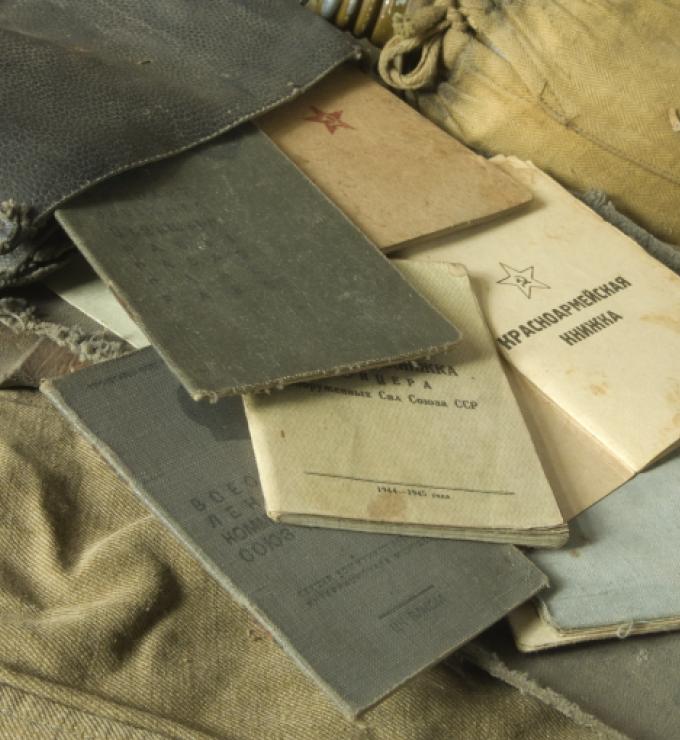
While the military draft in the United States has been gone since 1973, in recent years various retired military people and some commentators have advocated that it be reinstated. Until recently, I have not regarded this as a serious threat. But certain events in the world are causing me to take it more seriously.
In an August 10 video account in the Wall Street Journal, video-journalist Eve Hartley has noted that the Danish government recently extended its conscription term from four months to eleven months and is also, for the first time, drafting women. That’s part of a trend. In 2015, Norway introduced military conscription for women. In 2018, Sweden introduced military conscription for women.
The case for military conscription for men and women in the United States is weak and the case against it is strong. Advocates of conscription make many arguments. It is not possible in a short article to deal with all of them. But among the arguments for conscription that advocates make are these three: (1) the burden of defense should be shared more equally, (2) we need more people in Congress who have had military service, and (3) conscription is good for the conscript.
The case against conscription is that it would put the government in the role of central planner of people’s lives and would end one of the most cherished freedoms in America: the freedom to choose one’s occupation.
Background
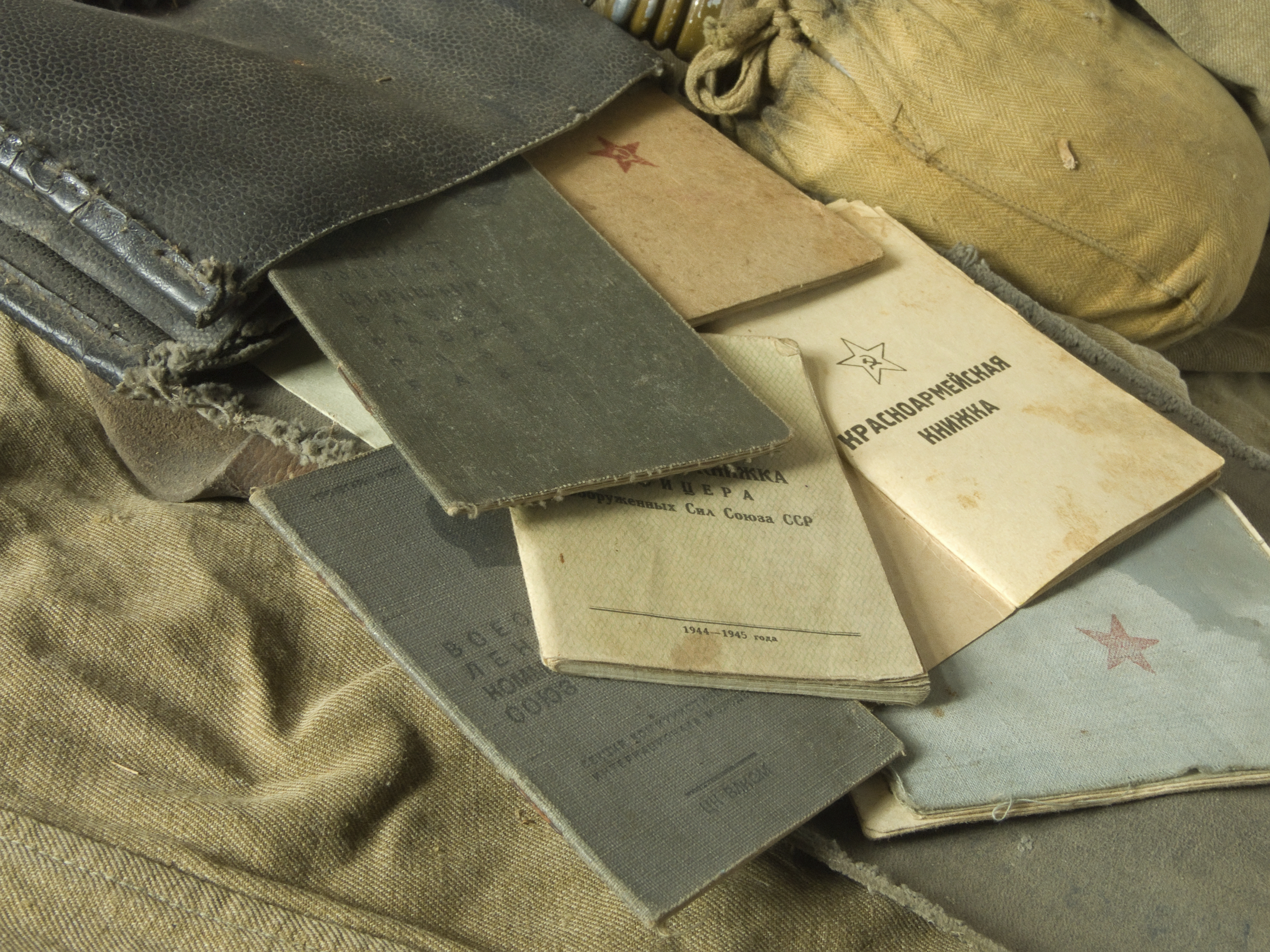
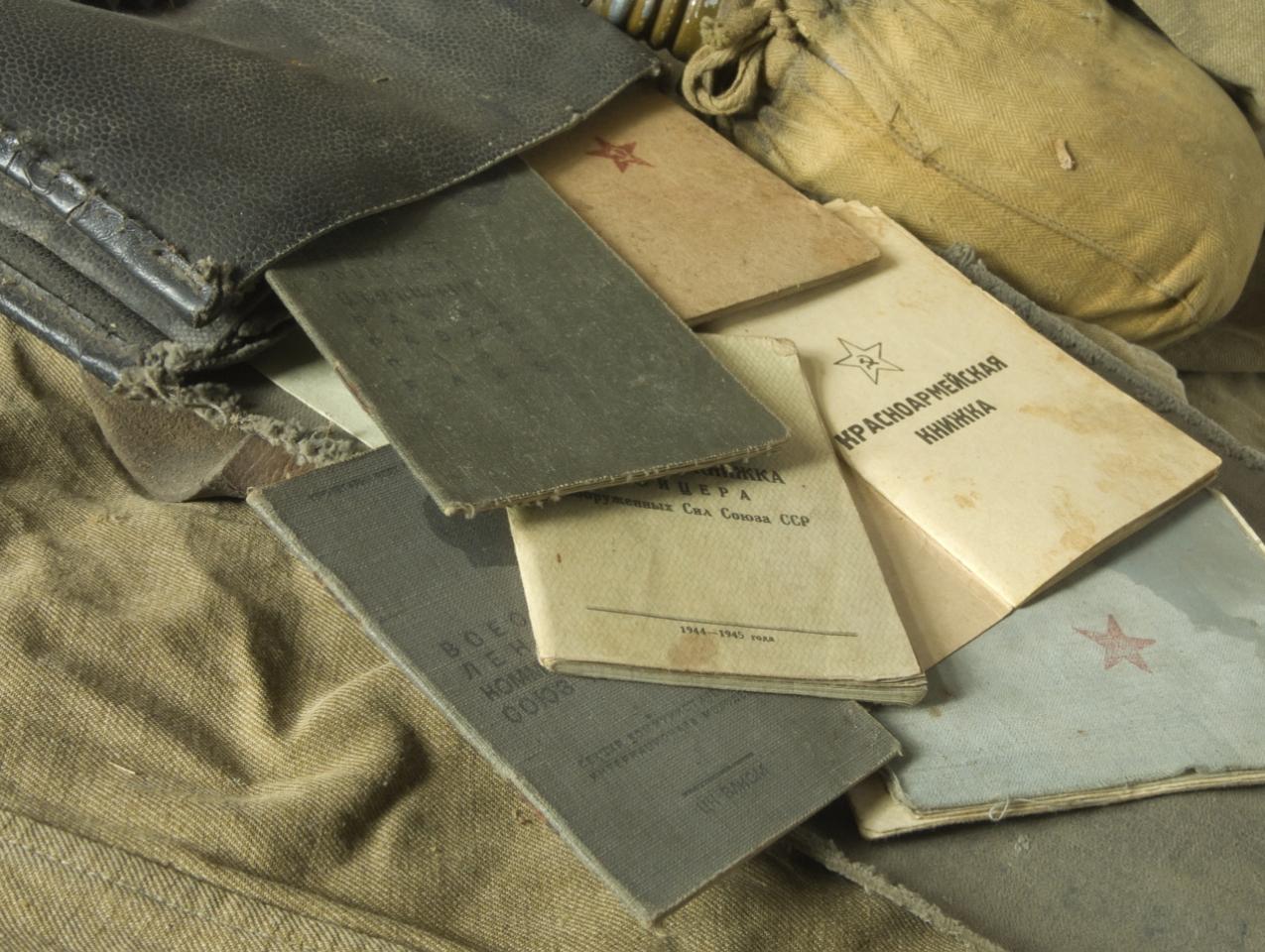
From 1940 to 1973, with a fifteen-month hiatus in 1947–48, the US government had a military draft. The biggest increase in freedom in the United States in the second half of the twentieth century was arguably the end of the draft. On January 27, 1973, President Nixon, keeping a campaign promise he had made during his successful 1968 campaign, suspended the draft. On June 30, 1973, the US Congress, urged on by Nixon and some conservative Republican and liberal Democratic members of Congress, let the authority for the draft expire. Congress did keep draft registration, but in 1975, President Ford ended registration. In 1980, President Carter revived draft registration—young men register when they reach eighteen—and it continues today.
The transition to a successful all-volunteer force (AVF) was bumpy. The military was used to not having to persuade people to enlist. It could use the threat of a heavy fine and up to a five-year prison sentence. So it took a few years for the military to adjust, in its advertising, its pay, and its treatment of enlistees. By the early 1980s, though, after a few pay increases under both Presidents Carter and Reagan, the military had little trouble meeting its recruitment goals, both on numbers and quality.
Since then, the military has gotten even better. So, for example, instead of raising pay substantially for everyone when it is deficient in only a few occupational specialties, the military gives targeted bonuses to enlistees willing to re-enlist and officers willing to recommit in those specialties.
What the military has been able to sell, as a recent ABC News report pointed out, is the many benefits of military service: steady and reasonably high pay, education benefits, and training.
The arguments for the draft
Argument 1: Sharing the burden. One of the main arguments we hear for the draft is that it causes the burden of defense to be shared more equally. Many people believe that people from low-income families are more heavily represented in the military. Their idea is that whether you’re rich or poor or, more exactly, from a rich or poor family, the draft makes it more likely that the military will be manned by people from all income categories.
There are two problems with the argument. The first is that it shows a misunderstanding of who’s in the military now. The military does not report data on the family income of those who join. But it does report data on the median household income by census tract.
According to the data for fiscal year 2019, the latest year for which I could find data, military members from the lowest quintile were slightly underrepresented, with just under 20 percent coming from that quintile. The highest income quintile was also underrepresented, with about 17 percent of military members coming from that quintile.
The three middle quintiles were slightly overrepresented, with people from the tracts with between 21 and 22 percent coming from each of those quintiles. The bottom line: each household income quintile is pretty well represented.
The second problem with the “burden” argument is that the language of burden makes no sense for a volunteer military. It’s a carryover from the days of the draft, when compulsory military service really did impose a burden. But every volunteer chooses. That’s the essence of volunteering. That means that each volunteer sees serving in the military as something that makes him better off, not as a burden.
What about people who forgo a very lucrative job in the private sector to join the military? How are they better off? To think that they’re worse off is, ironically, to commit the error that we economists are often accused of but rarely make: thinking that better or worse off has entirely to do with money.
It doesn’t. When people join the military out of patriotism or because they believe in the cause—those two often go together—they are acting on their values, and they see themselves as being better off.
There is a burden even from military service in an AVF, but it’s borne not by the military members but by taxpayers in general. Someone has to pay for the Department of Defense, and it’s taxpayers. Because our federal tax system is highly progressive, the burden of the military is borne mainly by high-income people. So, ironically, those who say that the burden of military service should be shared by high-income people as well as low-income people should be among the strongest opponents of the draft.
Argument 2: We need more military veterans in Congress. In 2013, Dana Milbank, then with the Washington Post, wrote a column in which he argued for a universal military draft for men and women alike when they turn eighteen. Presumably he would have let them finish high school first. But if they were clear on the goals and wanted to attend college or start a business? Fuhgettaboutit.
What was his argument? He wrote:
There is no better explanation for what has gone wrong in Washington in recent years than the tabulation done every two years of how many members of Congress served in the military.
A Congressional Quarterly count of the current Congress finds that just 86 of the 435 members of the House are veterans, as are only 17 of 100 senators, which puts the overall rate at 19 percent. This is the lowest percentage of veterans in Congress since World War II, down from a high of 77 percent in 1977–78, according to the American Legion. For the past 21 years, the presidency has been occupied by men who didn’t serve or, in the case of George W. Bush, served in a capacity designed to avoid combat.
Milbank could be right that having military veterans would improve policy. It’s difficult to know. But I’ll point out two highly relevant facts.
First, the reason for the 77 percent representation in 1977–78 was that it was capturing the effect of World War II and the Korean War.
We had a large military during World War II. At various times between 1941 and 1945, there were approximately 16 million men in uniform. In 1943, there were approximately 26.3 million men ages eighteen to forty-four in the labor force. That age range was typically the target range for draftees and for volunteers. So more than half of men in the relevant range were in uniform. Even if all eighteen-year olds were drafted today, that would amount to only 4.4 million. Of course, Milbank would want to draft eighteen-year-olds every year. So after ten years of his draft, there would be over 40 million relatively young people who had military service.
That gets to the second relevant fact. The oldest of these veterans, if we started the draft today, would be only twenty-eight years old. They wouldn’t even be able to be senators; the minimum age for being a senator is thirty. Few of them would win a race for the House of Representatives, where the minimum age is twenty-five. So tack on at least a fifteen-year wait before they would be elected to either the House or the Senate. And even that is generous.
Currently, the median age of a member of the House is fifty-eight and the median age of a Senator is sixty-six. This means that Milbank’s fix for getting veterans in Congress would take more than thirty years to work—with any policy result still undetermined.
Argument 3: The draft is good for the draftee. I have run into people over the years who were glad they were drafted. It gave them discipline, it kept them out of trouble, or it started them on a career, or all three. You often see former members of the military make this case for a draft.
I understand their point. I had a good friend who died at age forty-three, weighing over 400 pounds, who might be alive today if he had been drafted.
But the key question is, “Who gets to choose?” Should the US Congress and various draft officials be able to make what would be, for an eighteen-year-old, one of the biggest choices he or she faces? Or should the eighteen-year-old be able to choose? That brings me to the basic case against the draft.
The case for freedom
One of the most cherished freedoms we have is the freedom to choose our own occupations. Think about an eighteen-year-old who has just finished high school. He (I use he as shorthand for he or she) is finally free. He doesn’t know what he wants. He might make bad choices and big mistakes. But they’ll be his choices, his mistakes. Should he be able to make them?
In 1969, after I had worked in an underground nickel mine for three months and earned enough to pay for my last year of college, I came down from Canada at age eighteen to attend a political conference at Rockford College in Illinois. Many of the young men I got to know that week were trying to figure out how to deal with the draft. That’s when I noticed, in a very tangible way, the major difference between their circumstances and mine: I was free to decide what to do with the rest of my life and many of them were not.
American men and women should be free to choose.

