







- Middle East
- Security & Defense
- Determining America's Role in the World
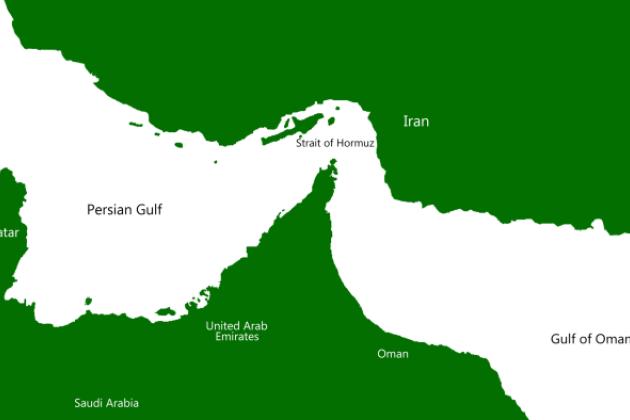
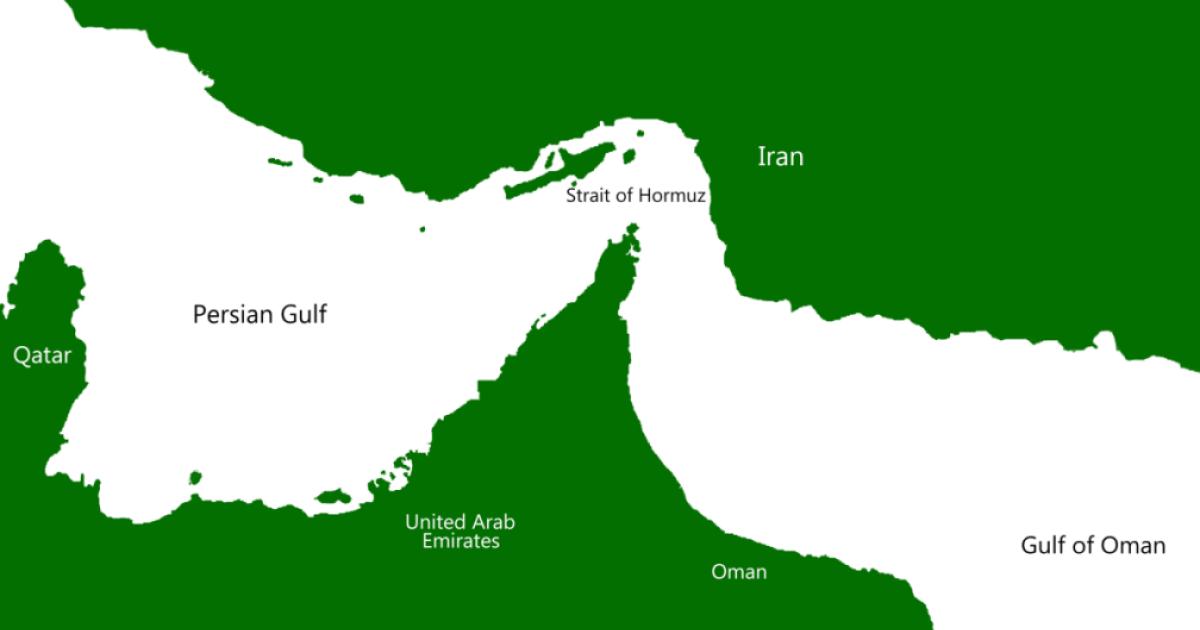
Has the United States lost the Iran war? The Iranian regime certainly thinks it has. The big Iranian funk that came after the 12-Day War in June, which climaxed the Israeli multi-front offensive that followed the horrors of October 7th, has faded. From a distance, Iran’s ruling elite, especially the senior commanders in the Islamic Revolutionary Guard Corps, seem confident, optimistic, almost giddy. They have survived the onslaught of the Americans and Zionists, they declaim, after putting down those involved in a “foreign-inspired” insurrection last January, to recapture their proper dominion over the Strait of Hormuz and gain a chokehold on the hydrocarbons of the Persian Gulf. Some within the leadership, especially the president, Masoud Pezeshkian, appear seriously concerned about the country’s economic health and the security establishment is openly worried about an economic crisis again provoking nationwide demonstrations. But minus the regime’s penchant to see Iran’s volcanic domestic discontent as the product of a Western conspiracy, is it wrong about the fundamentals, that it has won this conflict?
After trying a 39-day air campaign with Israel that initially hoped to topple the Islamic Republic or make Iran into a Middle Eastern version of post-Maduro Venezuela, the president rhetorically recast Iran War II more as a clean-up operation to further degrade both atomic and conventional arms. Intermittent bombing was henceforth, combined with the threat to bomb more ferociously, a tool to make Tehran come to the table. Initially, diplomacy was aimed at retrieving the buried-under-the-rubble enriched uranium and, after Iran interdicted free passage through the Strait of Hormuz and attacked Gulf Arab energy infrastructure, just at a lasting ceasefire and a reopening of the waterway. The nuclear threat, like the menace of ballistic missiles, which once captivated the president, retreated into the background.
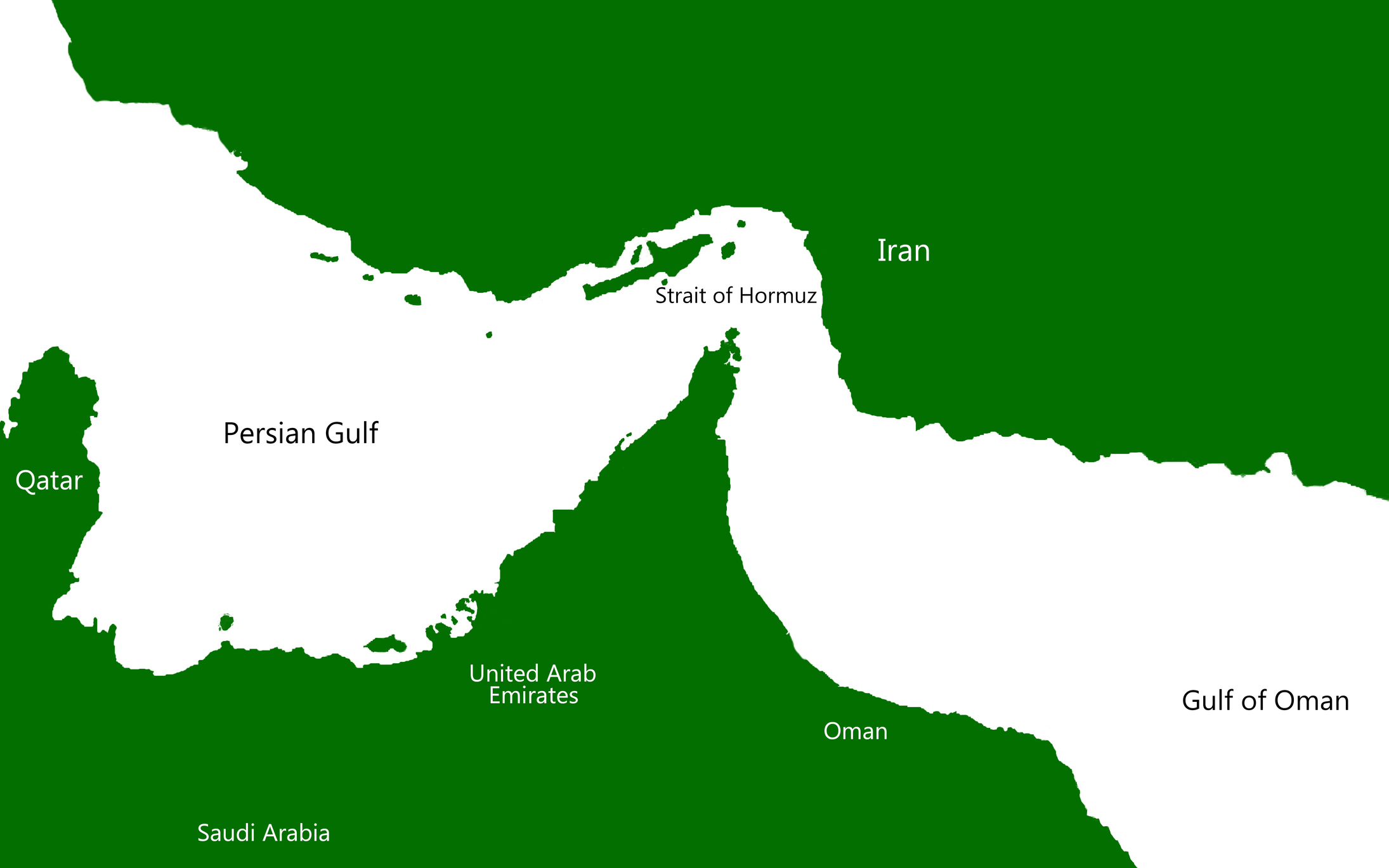
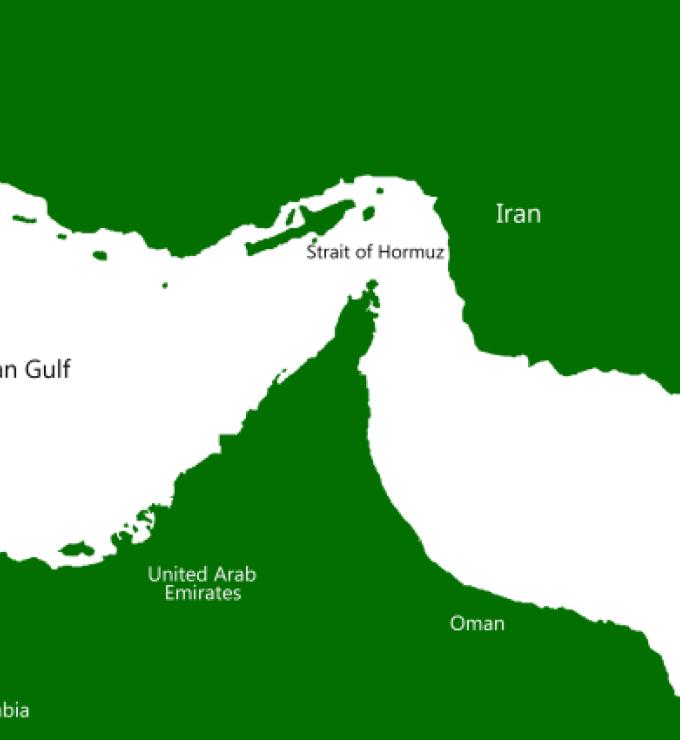
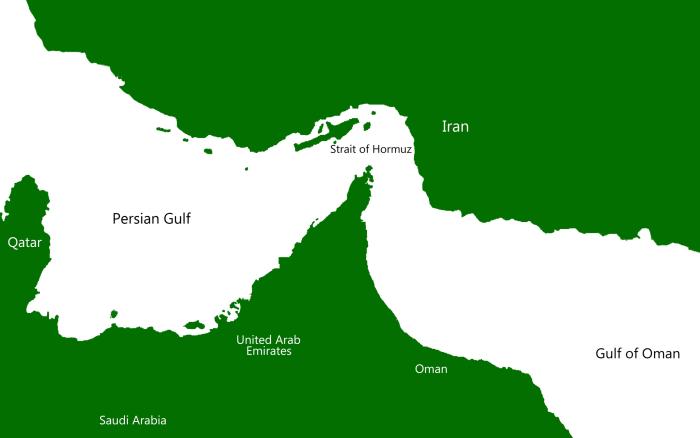
It now ought to be crystal clear that Trump has no desire to fight the battle for Hormuz, which could lead to the loss of U.S. warships and deployment of ground troops on islands and the mainland littoral. The conviction that this battle could be fought from just the sea and air is expressed far less often now. It’s not clear whether the U.S. Navy once told the president that it could win without ground forces—before we learned the depth and survivability of Iran’s missile-and-drone production and stockpiles. Or the president just dispensed with such counsel. In either case, Trump didn’t see Hormuz as the primary front of this conflict; the Iranian regime did.
Tehran quickly understood that the Strait, which the Islamic Republic has dreamed of controlling almost from its inception, and Arab Gulf energy infrastructure were America’s Achilles’ Heels since it became apparent that aerial defenses, though good, weren’t sufficient to make Iranian attacks ineffective. Harass shipping and damage this infrastructure and Tehran could spread panic in financial markets. This concern had a powerful impact on Trump and surely contributed, along with shortages of crucial missiles, to him calling a halt to sustained bombing. The growing concern that the Iranians may have improved their ground-to-air defenses, with the help of the Russians and the Chinese, which could put older fighter-bombers like the F-15 and F-16, and America’s delivery of precision-guided gravity bombs, at risk, also seems to have engendered more caution in the White House.
Militarily, Iran has so far won the Hormuz contest—although this is still adamantly contested by the White House. Both the president and Defense Secretary Pete Hegseth claim that the U.S. controls the waterway and can do so “indefinitely.” More oil does appear to be getting through the southern route close to Oman, with low-key escorts and defense being provided by the U.S. Navy. If the quantity of oil getting through, combined with the oil going through the East-West pipeline, which unloads Saudi oil on the Red Sea, stays close to 70 percent of pre-war Hormuz traffic, a figure that the tracking firm Kpler thinks could be credible, then the administration’s contention that it can avoid fighting the battle of Hormuz, at least for economic reasons, might be plausible, assuming the United States can out-wait Iran, whose tanker-born oil shipments seem to have ceased.
This view doesn’t appear to be shared by our Arab Gulf allies, however, who increasingly give the impression, with the possible exception of the United Arab Emirates, that they are now willing to pay tolls to Iran to have unmolested shipping and no more projectiles coming at their facilities and cities. The Saudi Crown Prince Muhammad bin Salman stopped a fairly serious US effort to liberate the Strait in May by denying, at the last minute, overflight and the use of bases.
The kingdom now has a two-front war: the Iranians in the Gulf and Yemen’s Shiite Houthis attacking intermittently oil tankers in the Red Sea, diminishing the utility of its pipeline. The Houthis aren’t Iran’s most obedient proxy, but they have become its most important ally. The crown prince had once been among the most ardently anti-Iranian Arab rulers—only the UAE’s leader, Mohammad bin Zayed Al Nahyan, and King Abdullah of Jordan were in the same league. His confidence in Trump and the U.S. has plummeted.
Pivoting away from a military solution in the Gulf, the Trump administration now asserts it has a viable, alternative strategy through the blockade and “D-Day” sanctions, which, the president hopes, will strangle the Iranian economy, sooner not later. Choked off, the regime will either collapse or finally submit to Washington’s dictates. This hope isn’t without foundation: Iran’s economy, always in bad shape (the revolution brought to power exuberantly corrupt, religiously-educated, militant Muslims who loved dirigiste economics), is now plagued by even worse governance, skyrocketing inflation, war damage, and a blockade and sanctions. It’s not inconceivable that as pressure mounts, or as Secretary of the Treasury Scott Bessent put it, “We are going to apply measures like have never been seen in the history of the economic isolation of a country,” that the Islamic Republic stops functioning.
That doesn’t necessarily mean, however, that the regime falls or that Tehran can’t isolate sufficient resources for the production of missiles and drones. Iran has the world’s most tested sanctions-evasion network. One of the reasons that the clerical regime chose to concentrate on these projectiles is that they give superb bang for the buck. Obviously, fairly stringent US sanctions were unable to thwart the acquisition of whatever foreign parts were needed for these weapons. If either Moscow or Beijing is now helping Tehran with such projectiles, then US efforts are effectively checkmated.
For the regime to collapse, the men with guns— chiefly the Islamic Revolutionary Guard Corps, the paramilitary street thugs, the Basij, and the Iranian army—have to crack or turn on each other (and the better guys win), or a massive, nationwide uprising occurs, overwhelming the security forces. Trump would surely be satisfied with the current regime submitting to his writ, which probably means, at a minimum, that Tehran gives up on Hormuz, bombarding neighbors, and keeping the nuclear “dust” (enriched uranium). It might also mean giving up ballistic missiles and drones, the underground nuclear facility, Pickaxe Mountain, and defunding proxies.
None of this seems likely. First, the Iranian Revolutionary Guard Corps isn’t going to die quietly. All of the above is premised on the U.S. military’s capacity to check adequately Iranian attacks on Gulf energy infrastructure and shipping. Before going down, the IRGC would let loose everything. Gulf Arab energy infrastructure would again probably be the primary target. Some of that infrastructure is fragile (LNG) and would take years to rebuild.
So far the U.S. military has failed to provide the protection needed. It’s possible that in another big shootout Iran will finally run out of missiles and drones. U.S. and Israeli targeting against weapons production and storage might finally curtail Tehran’s aggression. If that happened, then the Iranian regime would lose its leverage. Time would become its worst enemy.
If the blockade and sanctions really do choke the dictatorship, we should expect to see the IRGC intensely attack Gulf Arab states. If we don’t see that and we can see that the regime is in crisis, then Trump has successfully flipped the script. The Islamic Republic will have lost the capacity to convulse the global economy—at least as long as Washington is willing to maintain sanctions, the blockade, and sufficient military strikes to keep missile and drone deployment crippled.
However, after months of intense and intermittent bombing, where Trump, not Tehran, has continuously sought ceasefires, it’s hard to envision the United States militarily doing better. Odds are good that the Iranians will have enough weaponry, either stockpiled or newly produced, to shoot what’s necessary to roil the markets and fry Trump’s and Bessent’s central nervous systems. Returning to a big shooting war is also the exact opposite of what the president intends to accomplish through a blockade and sanctions.
What would Trump do to Iran if it decides to retaliate against a blockade that is actually strangling the regime? Why would a new Trump threat, say, to obliterate Kharg Island, through which at least 90 percent of Iran’s exported oil once flowed, work while past threats to do this didn’t? Again, such an attack might be plausible provided the U.S. knew that Iran’s missile-and-drone capacity was exhausted. Leaks from the Pentagon and the U.S. intelligence establishment certainly haven’t suggested this. It’s possible such leaks, if orchestrated by anti-war voices, like Undersecretary of Defense for Policy Elbridge Colby or unhappy soldiers and sailors on the Joint Chiefs, are selective, always emphasizing our weaknesses more than Iran’s. But the leaks certainly seem to match what we’ve seen on the battlefield.
But let’s suppose the squeeze could somehow continue regardless of what Tehran throws at the Arabs and how badly the global markets shake. The Iranian ruling elite still isn’t surrendering. A battle-hardened, deeply ideological regime, which slaughtered tens of thousands of its own countrymen in January, knows new rebellions are always brewing. Surrendering to America would signal both revolutionary betrayal and profound weakness. These men aren’t going to be forgiven by their countrymen. They fall, they die.
Another massive, this-time-successful internal uprising is certainly possible. As in the past, protests in one city or town could ignite into a rolling wave. Economic warfare, if it’s pushed to do what combat has failed to do, needs to collapse the regime’s fighting spirit. The Islamic Republic has an oil-based but diversified economy with a lot of neighbors who have been trading with it, despite U.S. pressure. This and the amount of oil that the regime can smuggle out probably can supply enough money to maintain Iran’s security forces, at least keep them fed and well-armed. These men are ideologically committed and compromised: they have been killing and torturing for years. Unlike what happened in 1988, when Ruhollah Khomeini ordered the execution of thousands of incarcerated political prisoners, we don’t see regime loyalists—with the exception of the president, Pezeshkian —revealing guilt about bloodshed.
We just don’t know what the Iranian people are going to do, whether they can finally come out in sufficient numbers to fracture the police state. But this is really what the blockade and sanctions are all about: economic immiseration sparking massive protests against a sufficiently weakened regime that can’t effectively fight back. If this scenario is practicable, it will likely take months, perhaps years. To imagine the United States triumphing in Iran War II requires the blockade to go on indefinitely until the Islamic Republic implodes.
Is this slow-motion suffocation realistic? It’s perhaps best to ask first the U.S. naval and treasury secretaries. Privately, of course.
Mr. Gerecht, a former Iranian targets-officer in the CIA, is a resident scholar at the Foundation for Defense of Democracies.

