Russia

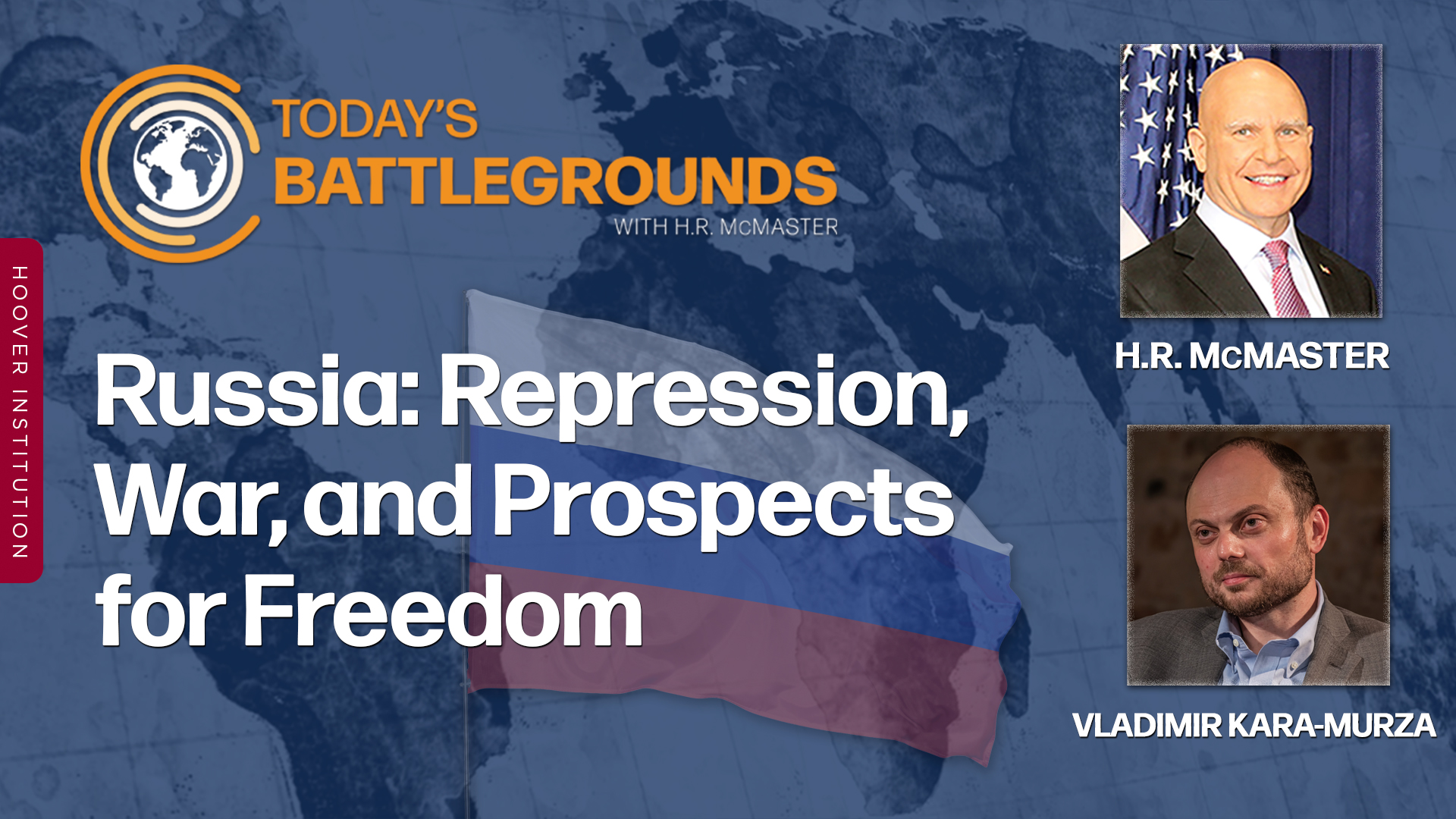
Fellows address the consequences of Vladimir Putin’s decision to invade Ukraine, the presence of Russian forces in Syria, Moscow’s position at the center of great-power politics, and nuclear disarmament negotiations between leaders in the Kremlin and in the White House.

Security Through Cooperation: Space, Nuclear Weapons, and US-Russia Relations after the Cold WarSecurity Through Cooperation: Space, Nuclear Weapons, and US-Russia Relations after the Cold War

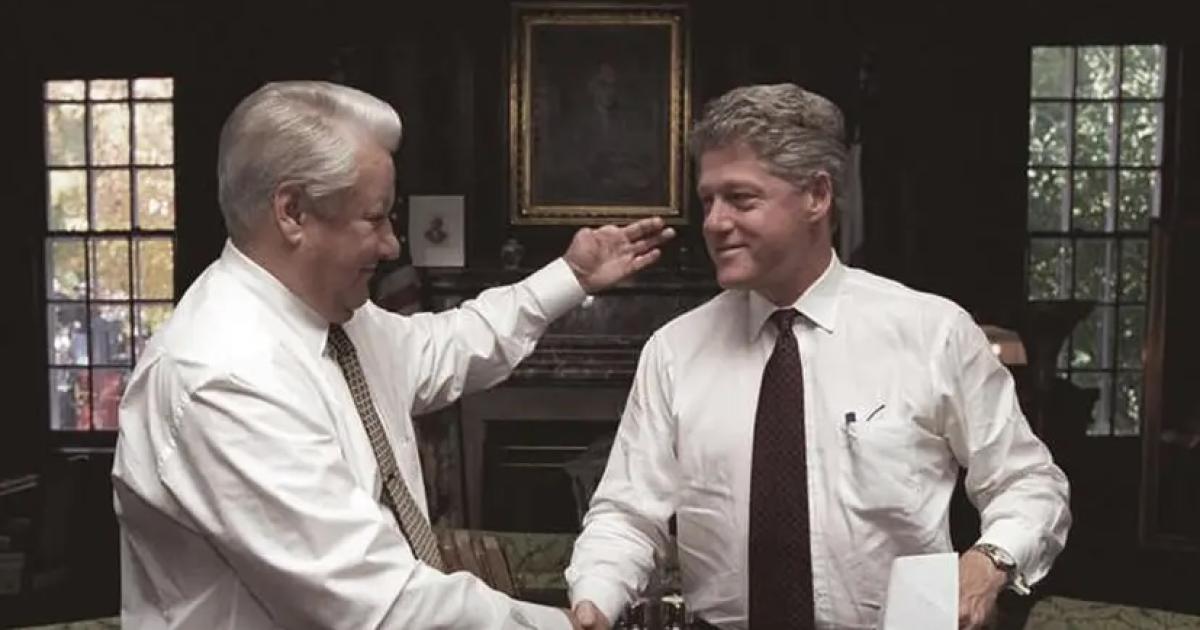
Russian officials and experts often voice the view that the United States was hell-bent on undermining, even destroying Russia during the turbulent period of the Soviet breakup thirty years ago. The primary US goal, in this telling, was to expand NATO to Russia's borders to isolate and threaten the Russian state. Rose Gottemoeller, drawing from the historical record and her own professional experience, refutes this notion. Gottemoeller argues that, to the contrary, successive American presidents were convinced that deep cooperation with Russia is essential to international security and stability. This conviction was born during the George H. W. Bush administration and took definitive shape during the administration of Bill Clinton, when he and his Russian counterpart, Boris Yeltsin agreed to develop technological cooperation that would be useful to both countries. George W. Bush and Vladimir Putin carried the conviction further, and the two countries made enormous strides on cooperation in outer space, counterterrorism, and nuclear energy over the next twenty years. While today is starkly different from the 1990s, Gottemoeller takes the lessons learned and considers what it would take—when Russia exits its horrific adventure in Ukraine and atones for the damage it has done—to resume cooperation for the sake of global security.
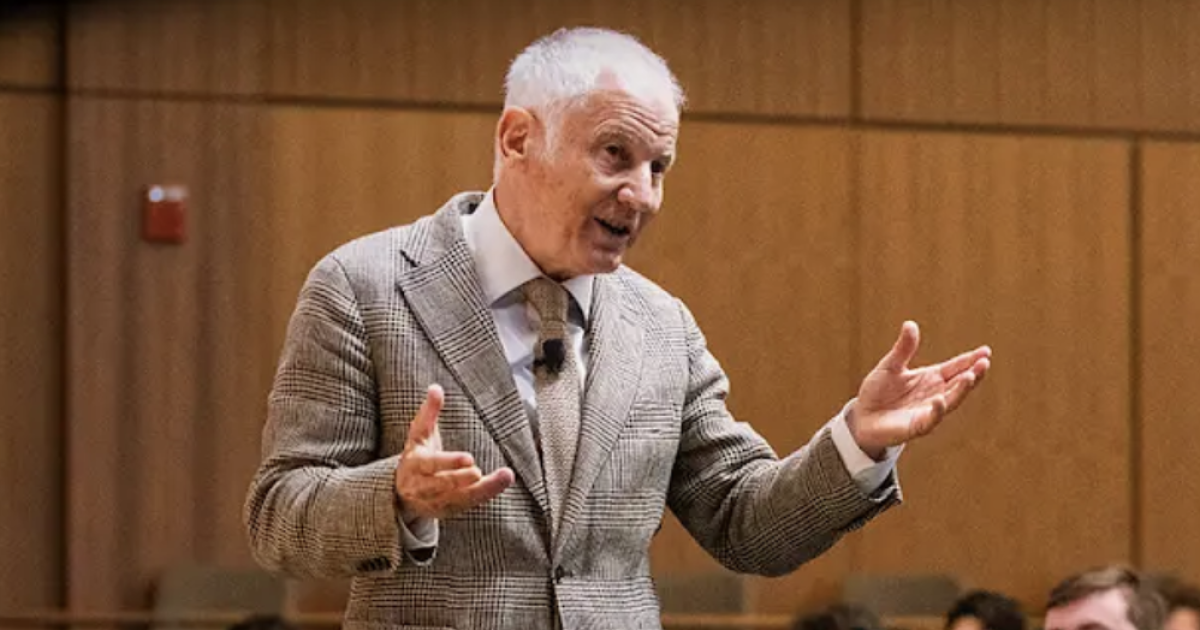
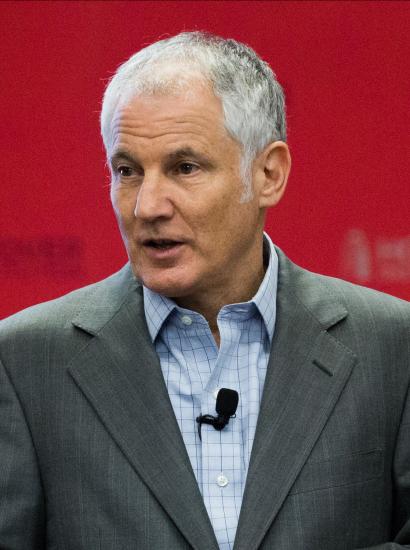
Strategic Costs Of US Global SuccessStrategic Costs Of US Global Success

Strategic Costs Of US Global Success

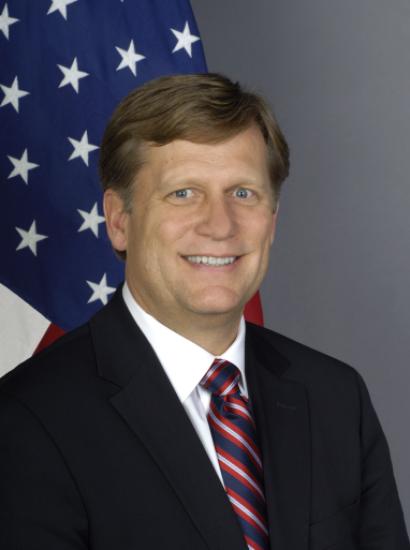
“They’re Not Like Us”: Michael McFaul On Autocrats Vs. Democrats And The Fight For The Twenty-First Century“They’re Not Like Us”: Michael McFaul On Autocrats Vs. Democrats And The Fight For The Twenty-First Century

“They’re Not Like Us”: Michael McFaul On Autocrats Vs. Democrats And The Fight For The Twenty-First Century

Russian Soul, American Life: A Conversation With Ignat Solzhenitsyn Russian Soul, American Life: A Conversation With Ignat Solzhenitsyn

Russian Soul, American Life: A Conversation With Ignat Solzhenitsyn

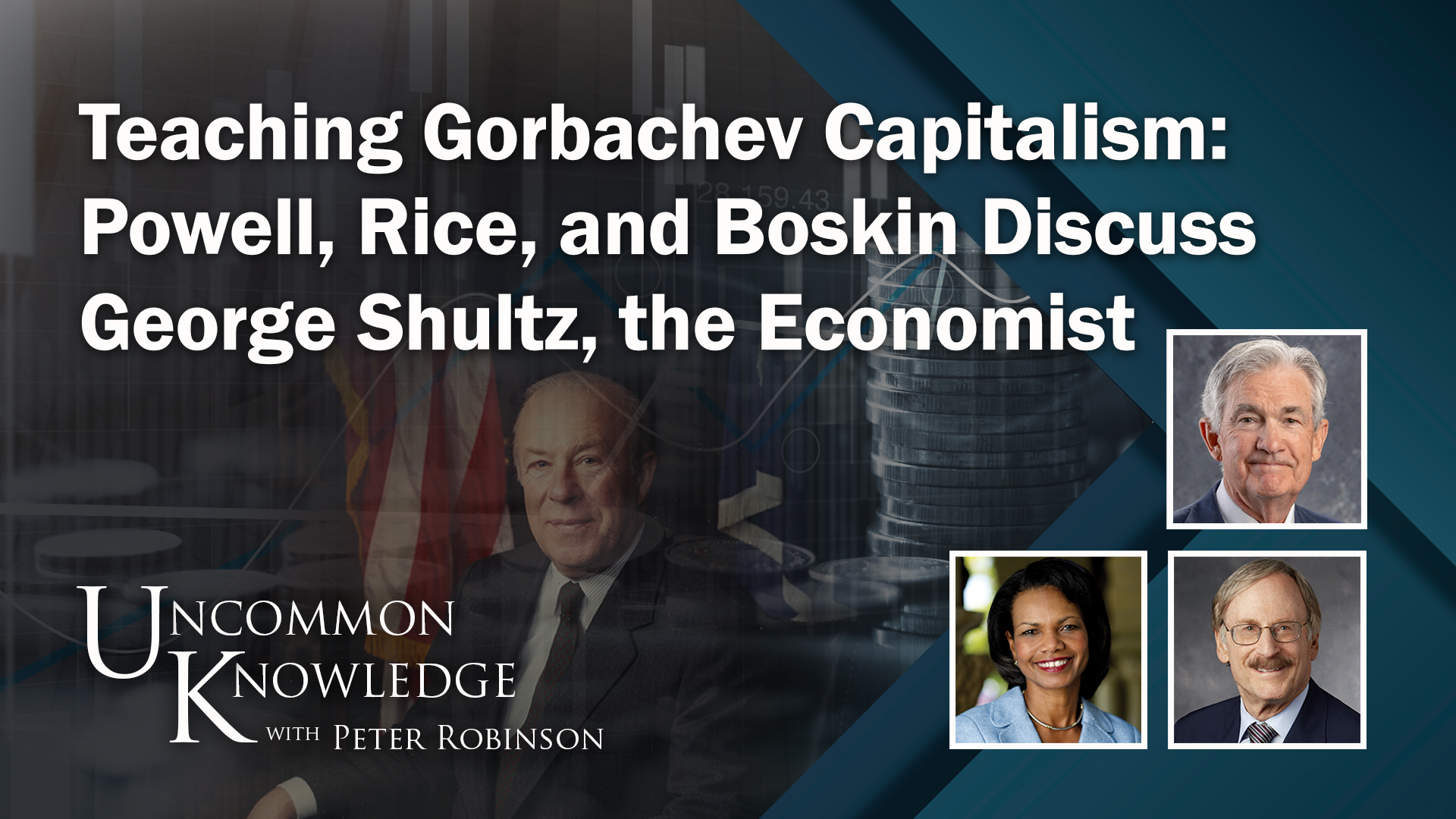
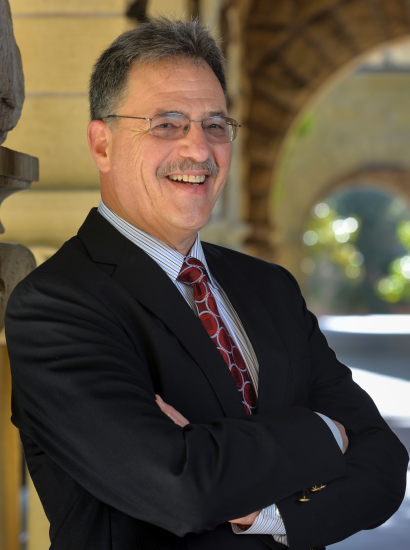
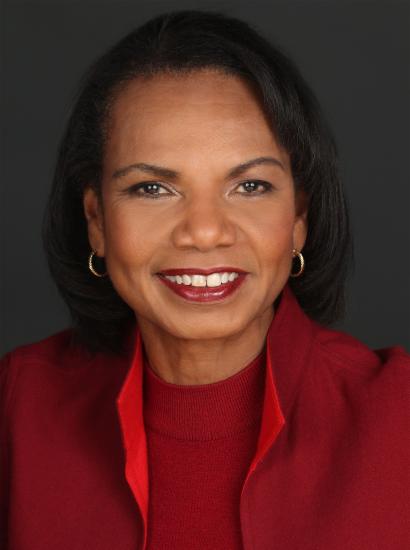
Teaching Gorbachev Capitalism: Powell, Rice, And Boskin Discuss George Shultz, The EconomistTeaching Gorbachev Capitalism: Powell, Rice, And Boskin Discuss George Shultz, The Economist

Teaching Gorbachev Capitalism: Powell, Rice, And Boskin Discuss George Shultz, The Economist

Related Topics

Topic Image

China

The rising challenge posed by China’s active and expansionary foreign policy requires careful study and rebuttal. Its threat to long-standing norms of the liberal order are leading to pushback across the globe.

Topic Image

Middle East

Fellows analyze the geopolitics of the Middle East, including issues related to energy security, sectarian violence, peace prospects between Israelis and Palestinians, and power rivalries in the Persian Gulf region. Fellows also assess the issue of nuclear proliferation, especially Iran’s ambitions for nuclear weapons and the West’s revival of the Joint Comprehensive Plan of Action with leaders in Tehran.

Topic Image

Europe

Fellows examine major political, economic, and security challenges involving the European Union and the NATO alliance. Issues include the strength of NATO in the face of threats posed by Russia; the struggle to absorb millions of migrants fleeing conflict zones and poor living conditions in the Middle East, Africa, and Central Asia; and debates within the EU on how to deal with challenges such as economic relief from the pandemic crisis, and access to affordable and reliable energy sources.

All Episodes

Sort by