



- History
- Military
- Revitalizing History
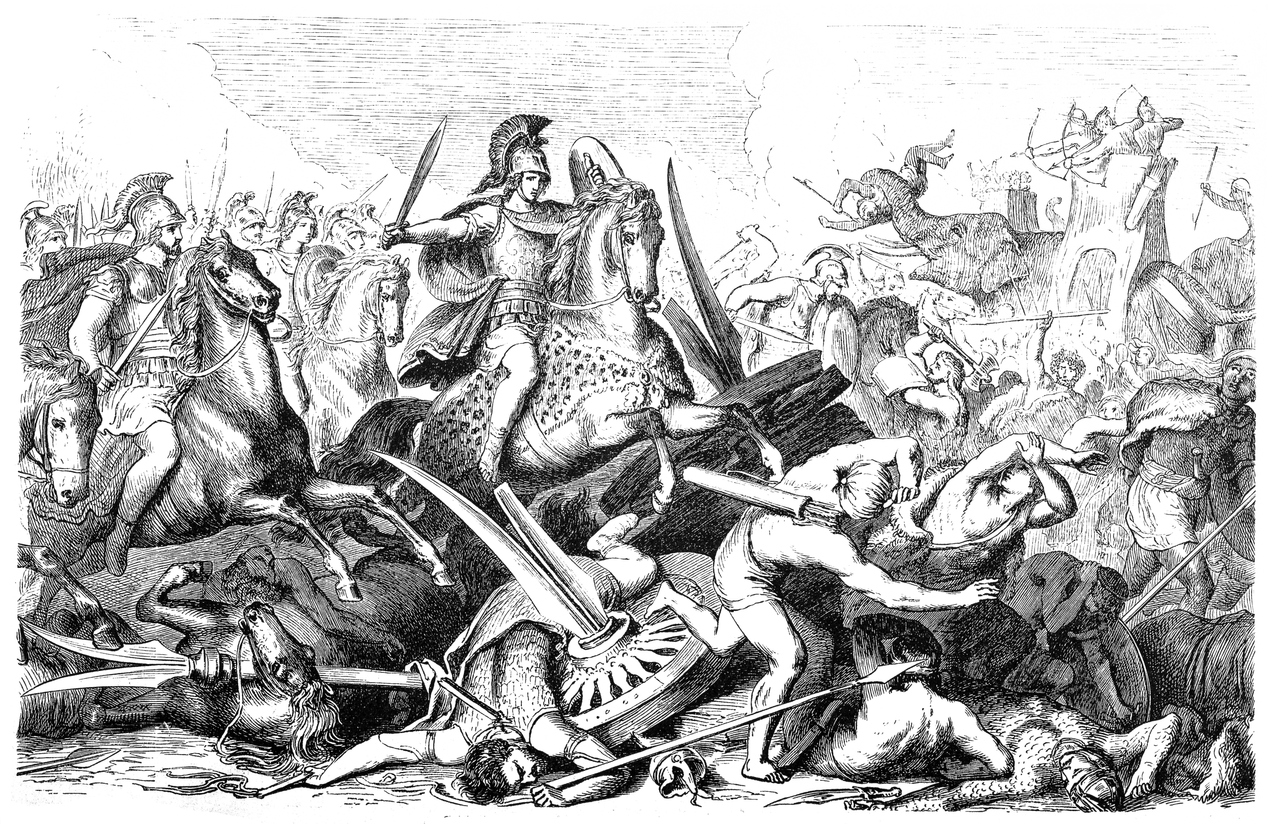
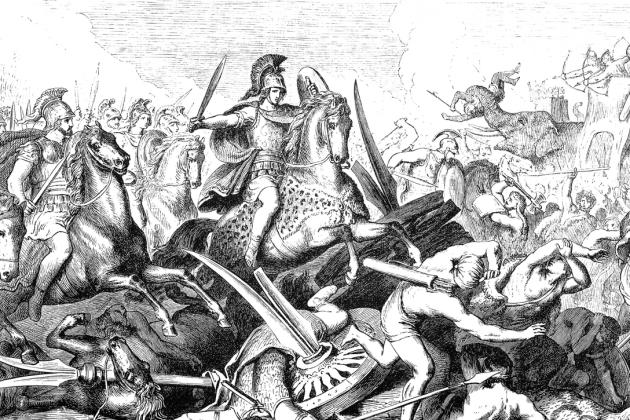
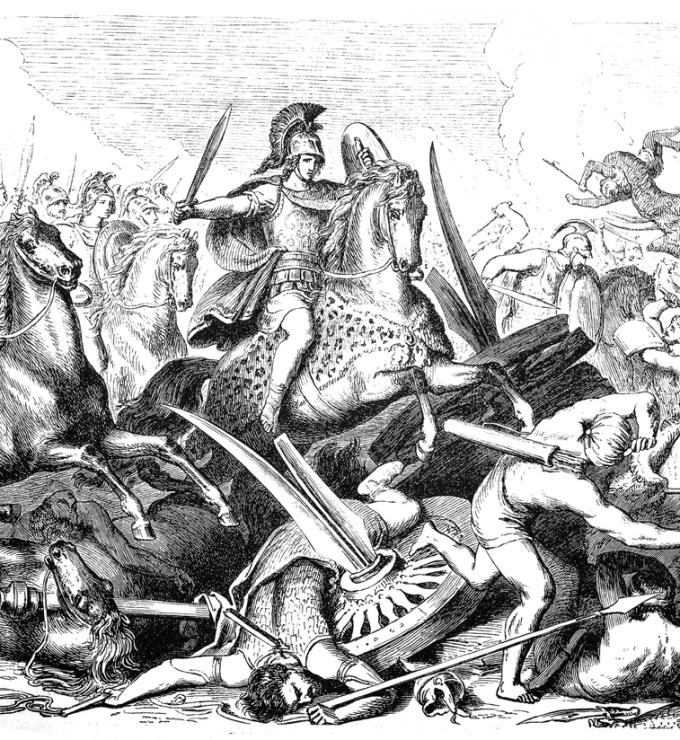
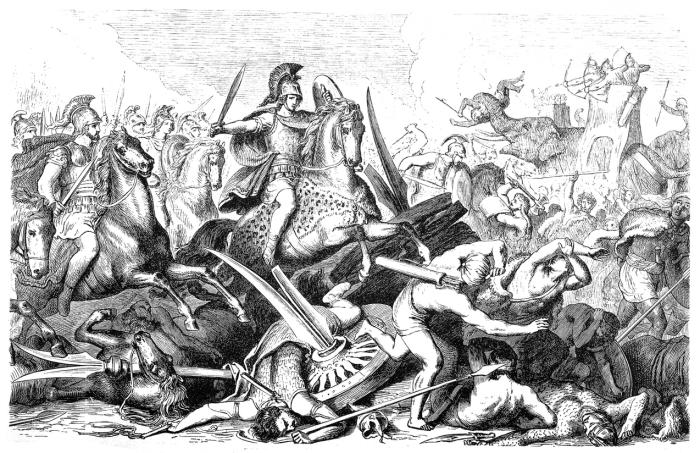
In November 333 B.C., King Alexander of Macedon faced the greatest military challenge of his career. At age 23 he already had victories to his name in Greece, the Balkans, and what is now western Turkey. But he had an outsized ambition for the king of a small state, albeit one with a superb land army. Alexander wanted to conquer the mighty Persian empire, the largest empire in history to date, stretching from the Dardanelles to the Indus. A tall order but Alexander’s expedition had begun well. The previous June he smashed a small and hastily gathered Persian army in northwestern Turkey, allowing Alexander to take control of the wealth and resources of most of the region. As he headed south into Syria he was going to have to confront a massive Persian force, this one commanded by Persia’s king, Darius.
Alexander surely knew that the battle was coming but he badly miscalculated the time and place. As he led his army southward towards today’s Turco-Syrian border, near the Mediterranean Coast, he found a surprise. He expected to encounter the enemy in Syria, but Darius had marched his men across the Syrian Plain and across a mountain pass to the sea. Instead of being south of Alexander, Darius was to his north.
When Darius reached the Mediterranean at Issus, he found himself in Alexander’s rear, cutting off the Macedonians from their supplies. What a shock for Alexander! A lesser general would have been terrified by Darius’s unexpected arrival behind him, but Alexander stayed calm. He was a cavalryman, and cavalrymen are used to operating far from their home base. The crisis brought out the best in the Macedonian king.
Alexander gathered his officers and delivered a motivational speech. Besides appealing to national pride, to the confidence provided by past victories, and to the prospects for glory ahead, he underlined the strategic advantage that had fallen into their lap. By cutting off the Macedonians’ retreat the Persians had forced a battle on unfavorable ground. The ideal spot for Persia would be to fight on Syria’s wide plains, where they could deploy their massive advantage in numbers. Instead, they would face Alexander’s army on a narrow strip of land between the mountains and the sea. There, the Macedonian infantry could punch through the enemy line without having to worry about being outflanked. Only the gods could have given them such a gift, Alexander said.
It was evening. After his men ate, Alexander marched the entire army toward the Persians, covering about ten miles. After camping in a narrow pass, at dawn the next morning they began marching about another ten miles toward the Persians and then fanning out into battle order. Alexander turned his army around on the fly and deployed it for battle. He displayed agility and audacity. He demonstrated skill in communications. Above all, he showed strategic intuition. He was able to assess the situation quickly and come up with the right solution.
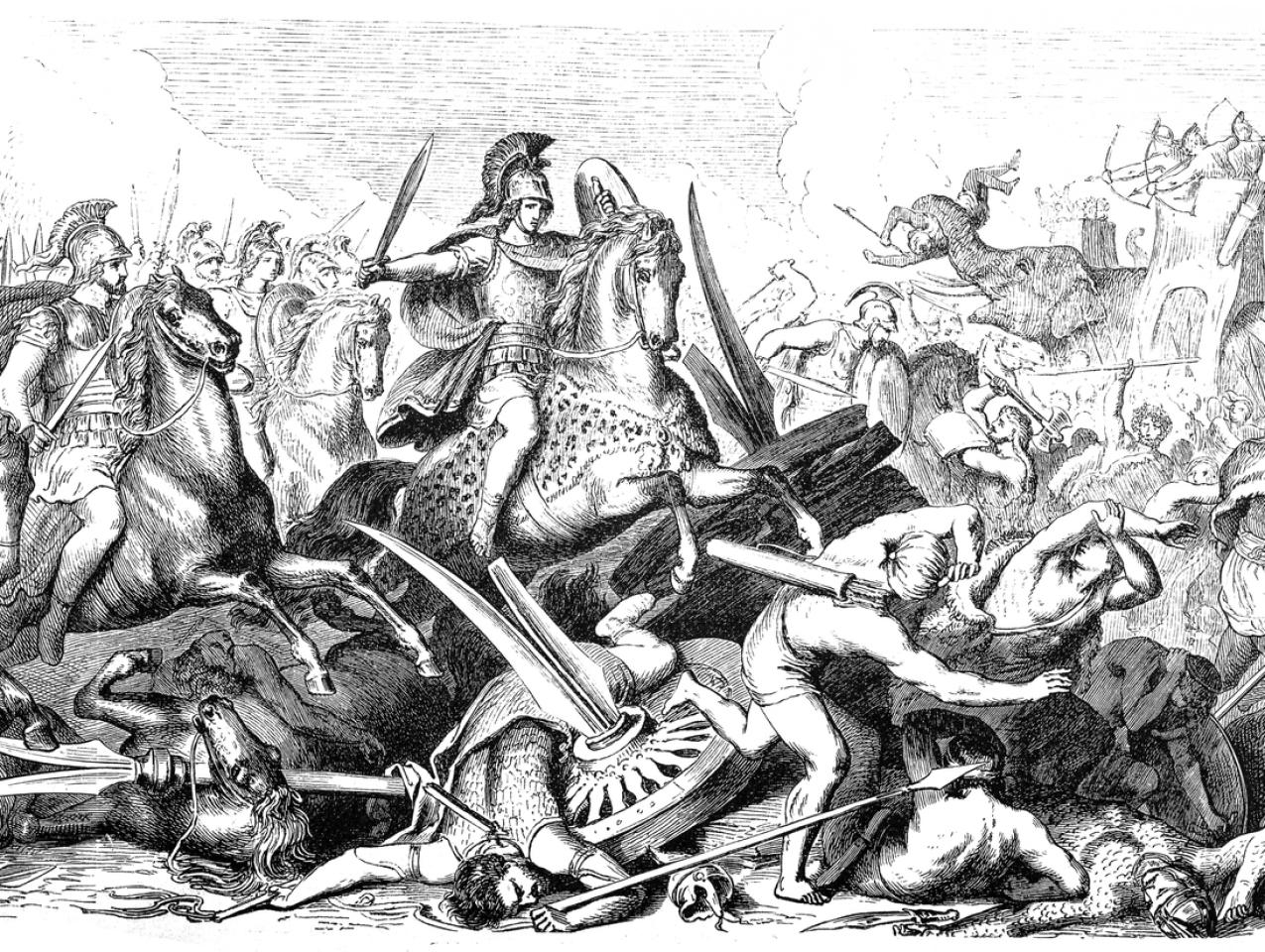
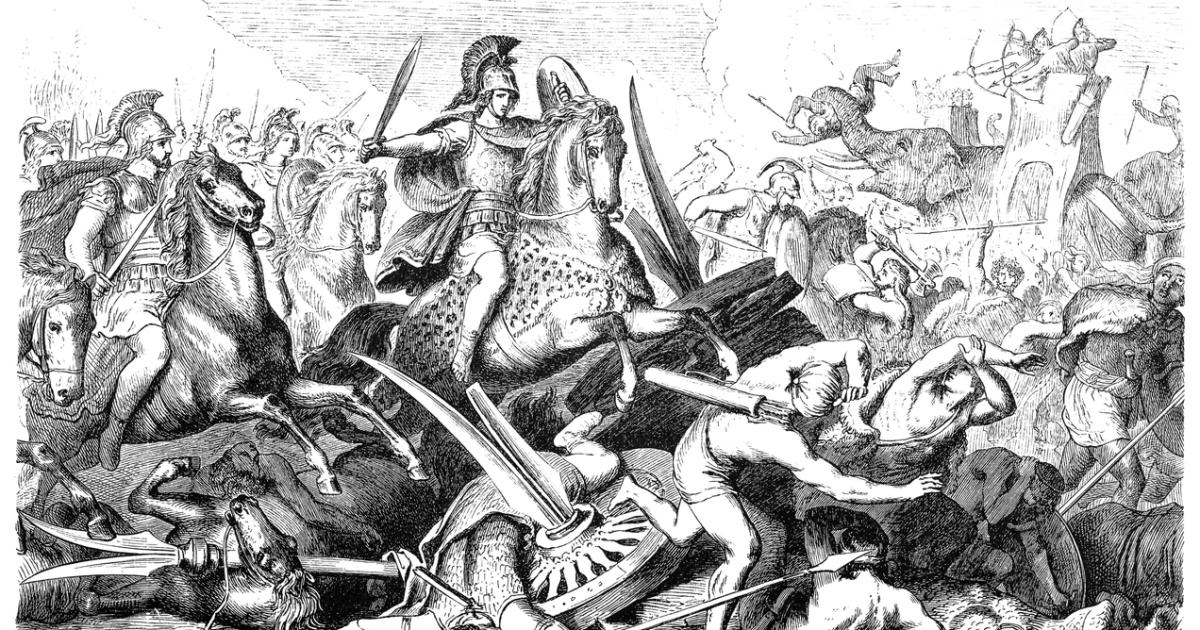
In the Battle of Issus that followed, Alexander and his men won a decisive victory over the Persian army. Darius was forced to flee for his life. The entire western half of the Persian empire now fell into Alexander’s lap. It could not have happened without Alexander’s cool response to an unnerving turn of events. He displayed the art of command at its best. His steadiness on the eve of an unexpected battle offers a lesson in crisis management for every leader.
Barry Strauss is Corliss Page Dean Senior Fellow at the Hoover Institution and Bryce and Edith M. Bowmar Professor in Humanistic Studies Emeritus at Cornell. His most recent book is Jews vs. Rome.