






National Civics Fellowship
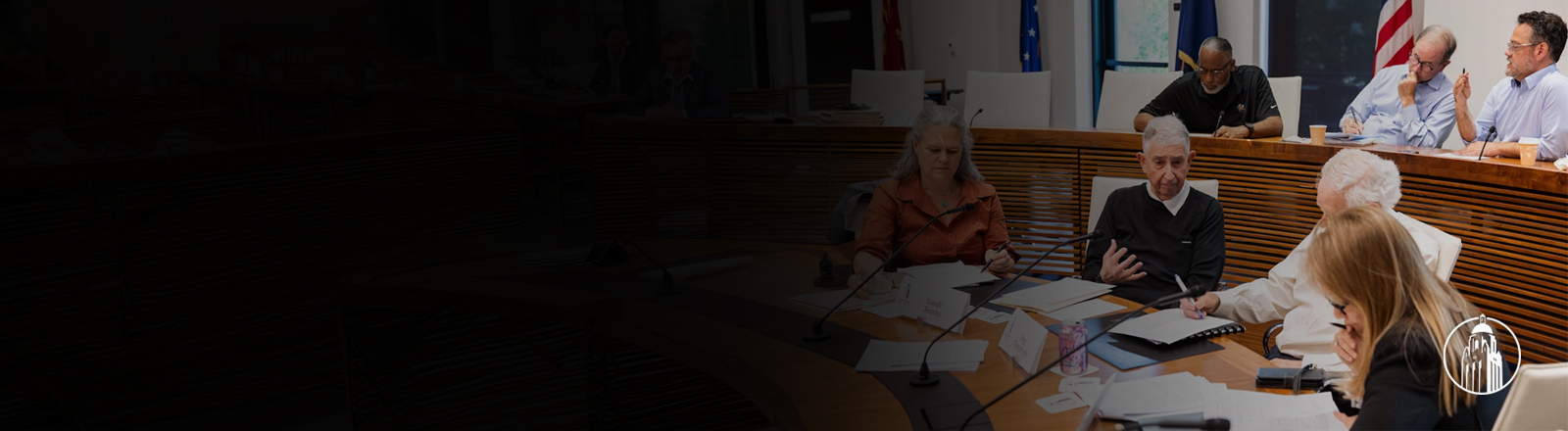
Launched in August 2025 with a pilot cohort, the National Civics Fellowship (NCF) is a two-year program that brings together leaders from across the civics education ecosystem, including K–12 education, higher education, and civil society. The fellowship is designed to amplify exemplary work across the civics ecosystem, foster cross-sector collaboration and dialogue, and build a community of practice among current and former fellows.
Each fellow receives a stipend, with additional funds available to support fellowship projects. Fellows also gain access to a national platform to showcase and extend their work, engage with leading scholars and practitioners, and build relationships that extend beyond the fellowship.
During their fellowship, fellows develop and complete a project that advances effective, nonpartisan civics education. Fellows also produce one written piece each year, which is published by the Hoover Institution alongside a recorded cohort conversation highlighting important themes within the civics ecosystem.
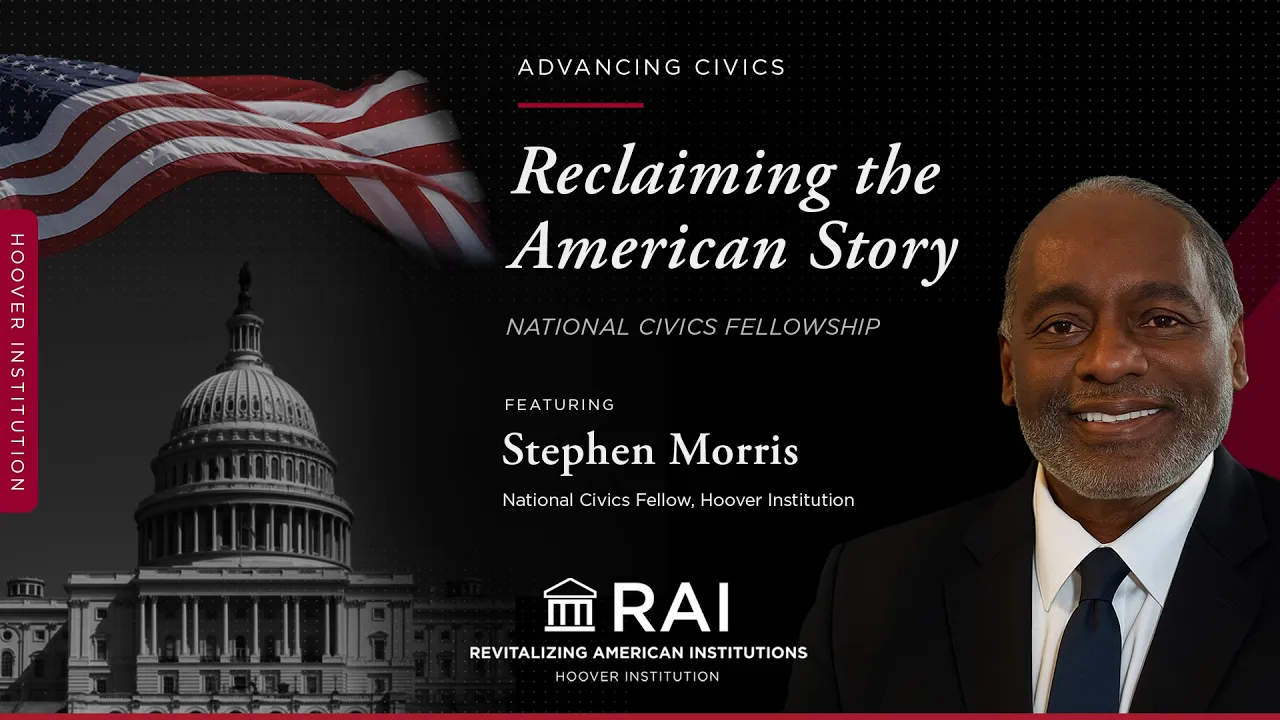
Reclaiming the American Story | National Civics Fellowship with Stephen Morris
As the United States loses its civic memory, reclaiming America’s civic promise through civic education is vital to help form an informed and reflective citizenry, capable of celebrating the nation’s successes while confronting its failures.
Watch Now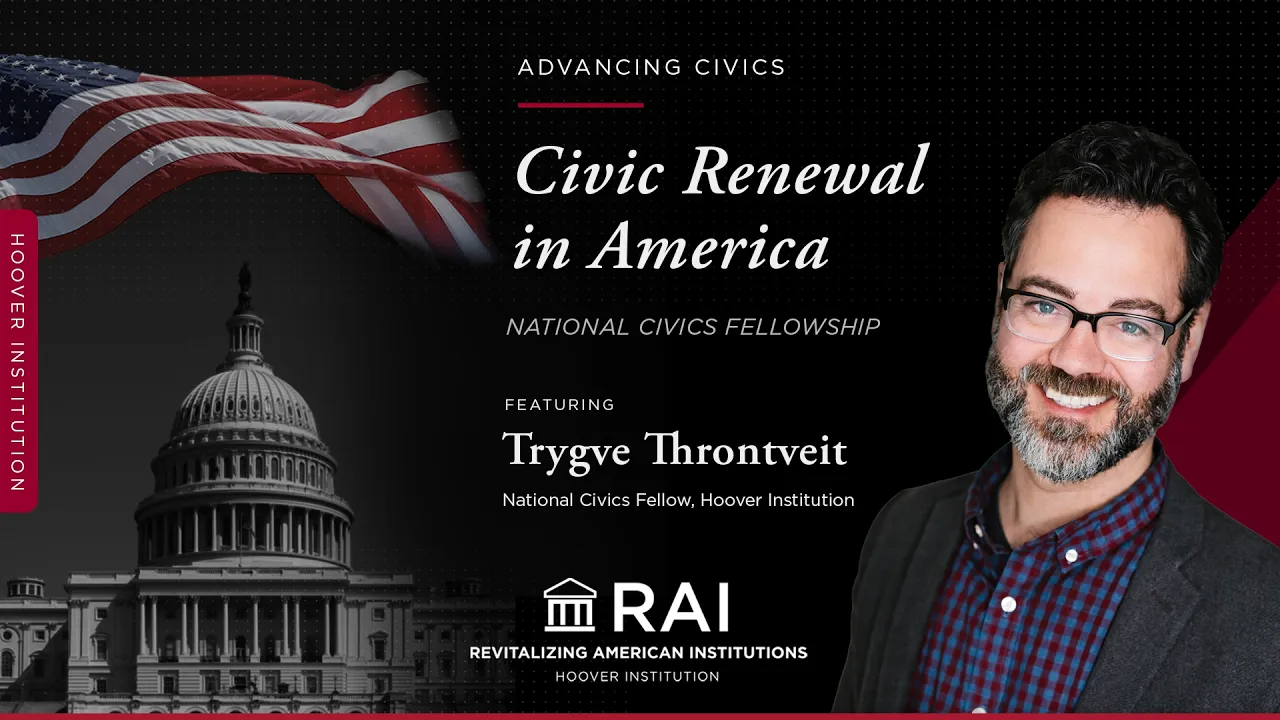
Civic Renewal in America | National Civics Fellowship with Trygve Throntveit
As Americans become less able to engage across differences—especially on college campuses—Third Way Civics offers a way to rebuild an educated and less polarized citizenry, learning from primary sources and healthy dialogue.
Watch NowFellowship Experience
The fellowship combines in-person convenings with ongoing virtual engagement over two years.
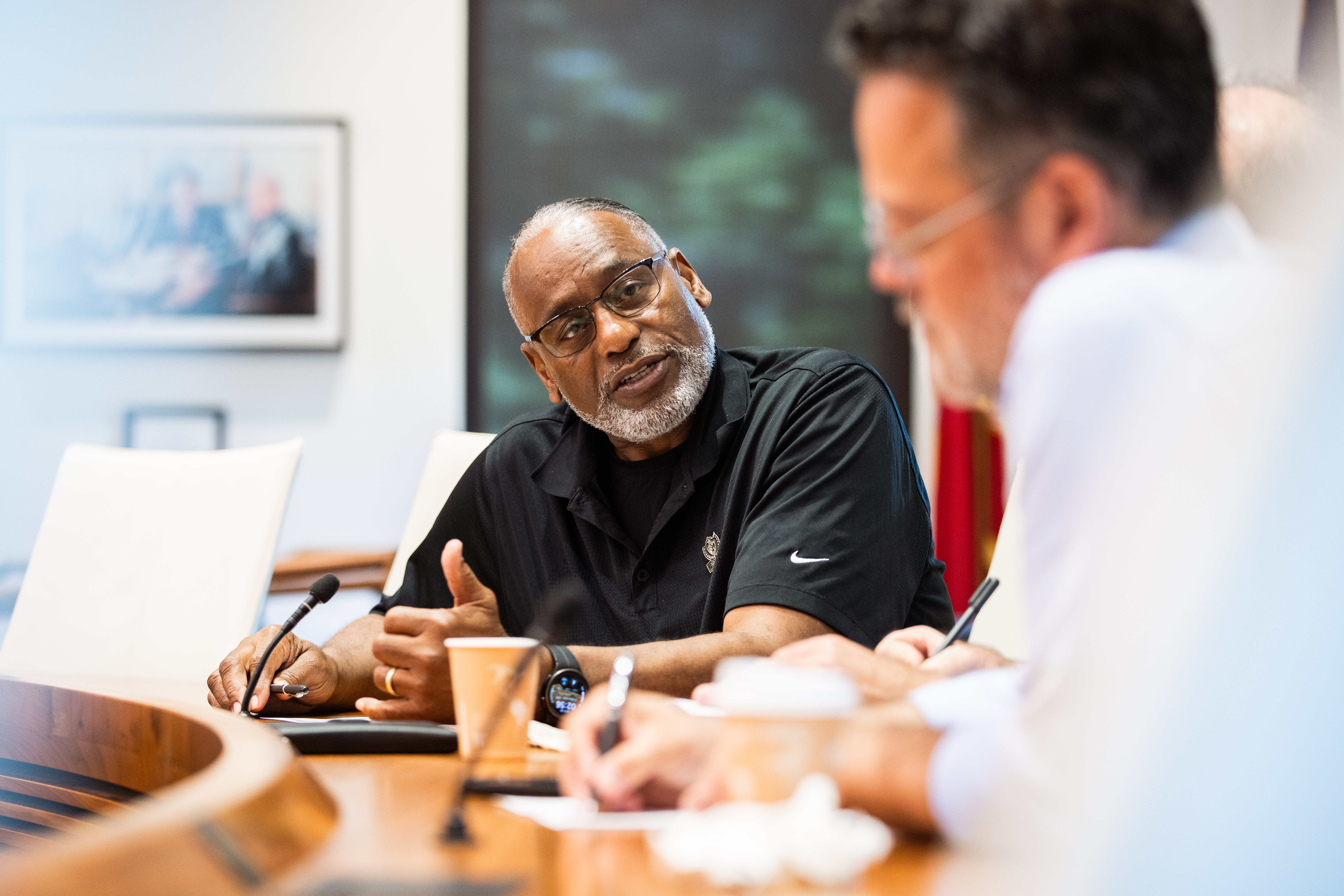
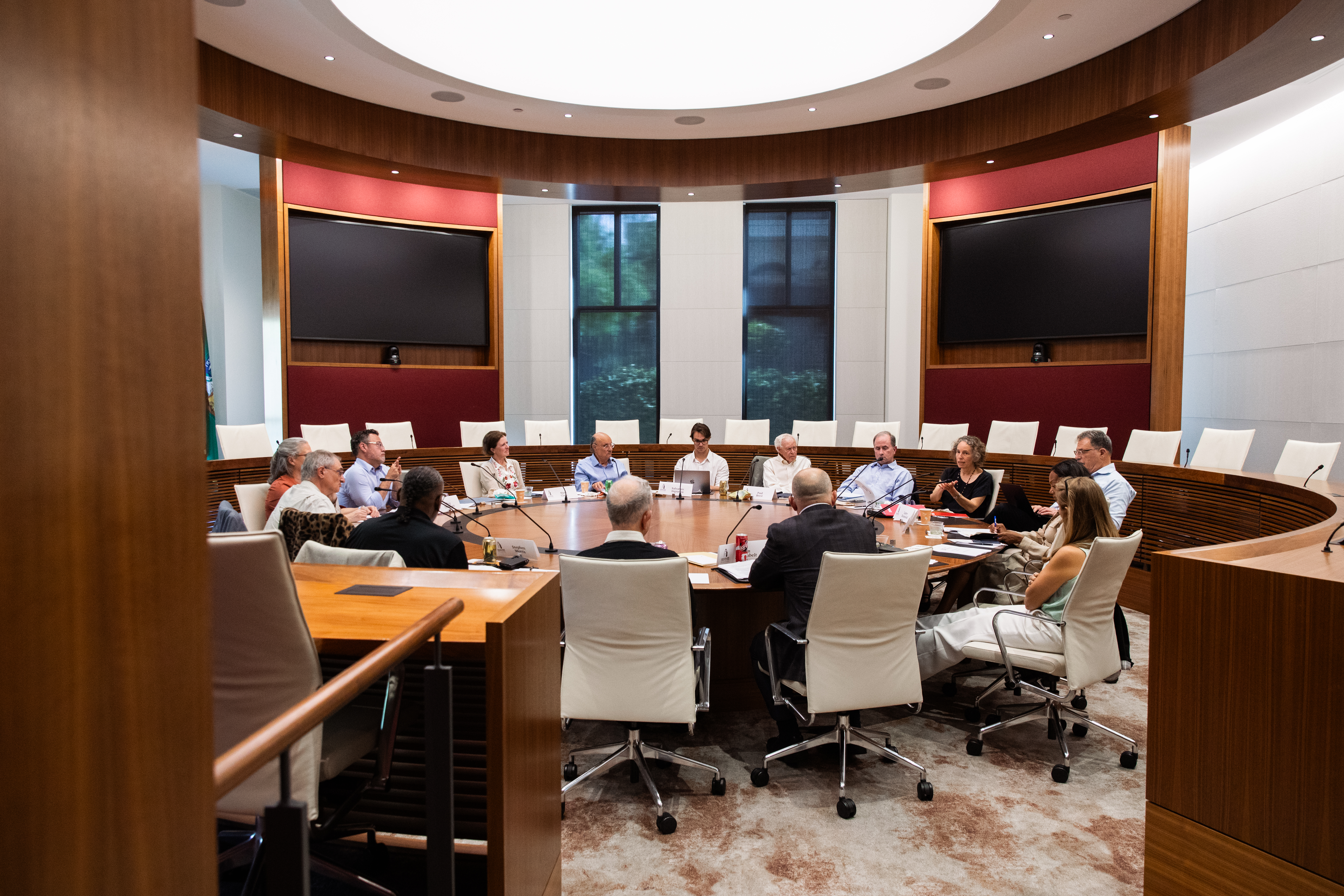
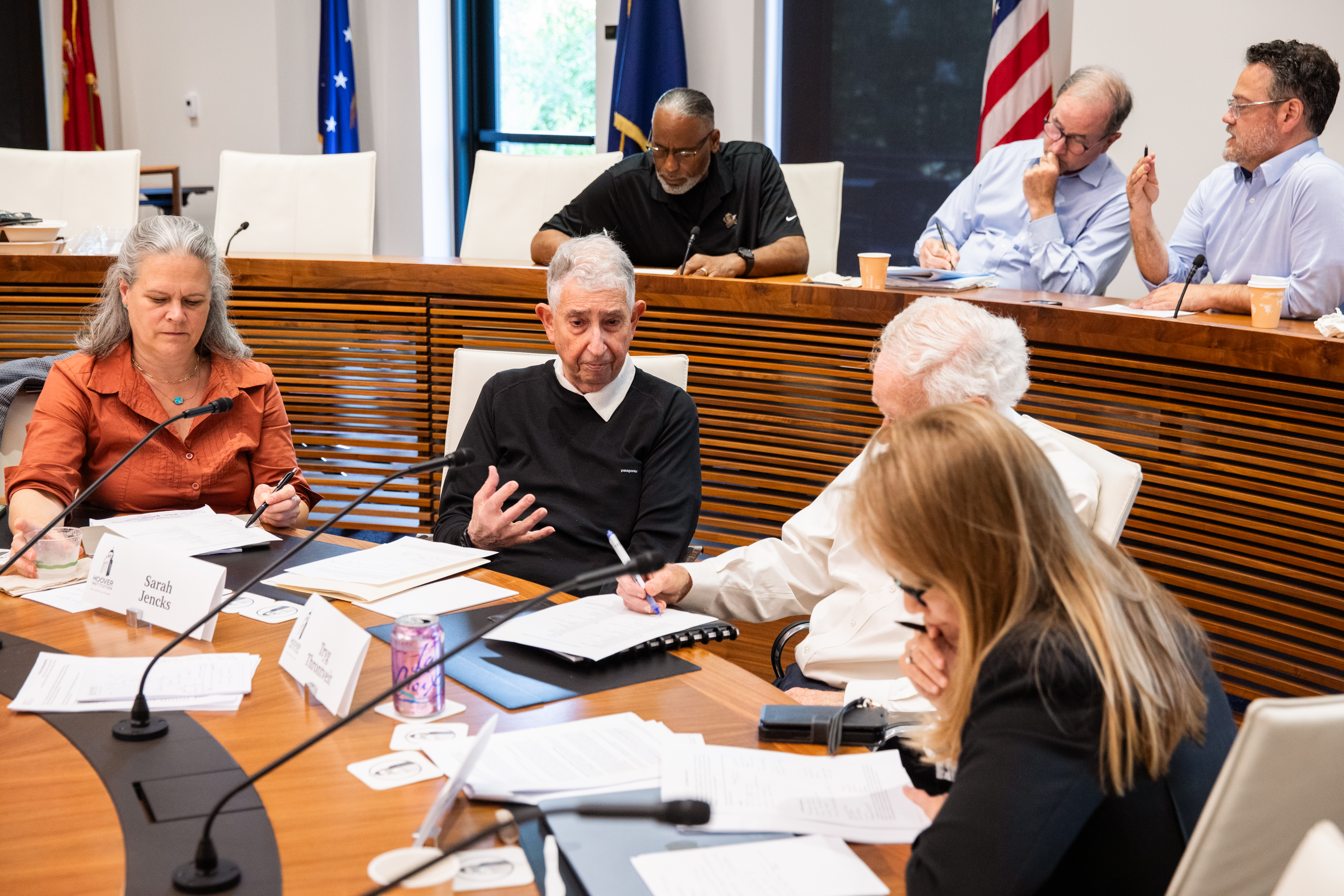
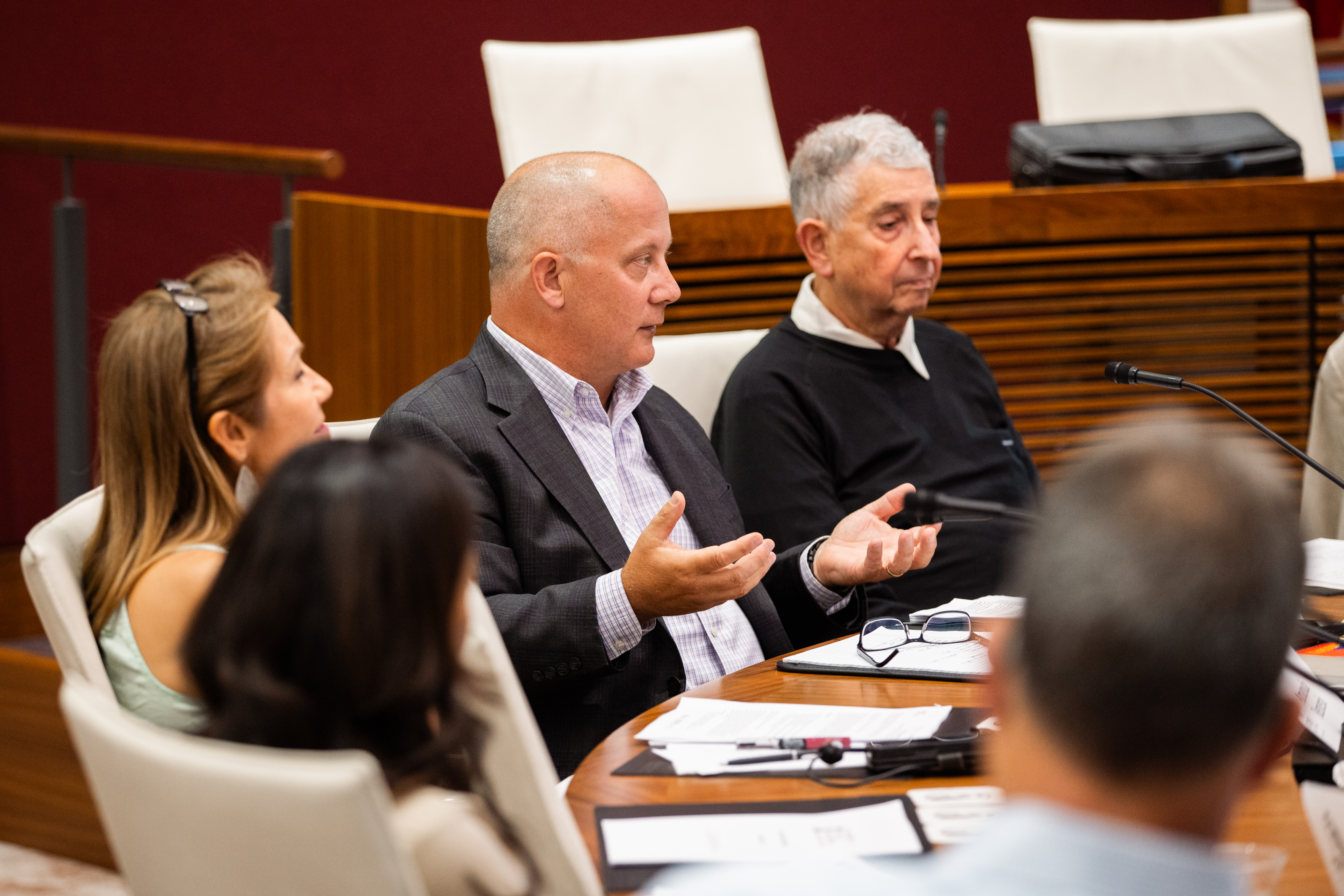
Fellows gather twice annually on Stanford’s campus. The summer convening serves as both the capstone for graduating fellows and the orientation for the incoming cohort, creating opportunities for mentorship and knowledge transfer across fellowship classes. A second convening during the academic year brings fellows together with Stanford faculty, Hoover fellows, and community partners for seminars and discussions focused on advancing civics education.
Between convenings, fellows participate in virtual meetings that allow them to share progress, receive feedback, and remain connected to the NCF community.
Fellowship Projects
Fellowship projects are developed collaboratively through ongoing conversations with the Revitalizing American Institutions (RAI) team and the NCF community of practice. Fellows are encouraged to pursue impactful, field-building work while drawing on the expertise and networks available through Stanford, Hoover, and their fellow cohort members.
Key themes explored by NCF fellows include:
- Integrating civics knowledge with civics values, skills, and engagement
- Bridging political, geographic, and social divides
- Assessing the impact of civics education policies and practices
- Developing workable strategies for launching and scaling civics education initiatives
Participant Profile
The National Civics Fellowship is designed for established and emerging leaders in the civics ecosystem—that is, educators, practitioners, and researchers—whose work deserves amplification, who have the capacity and appetite to do more, and who are committed to pluralistic, evidence-driven, and inquiry-based work in this realm.
Prospective fellows are identified and invited to join by the RAI team and members of the NCF community of practice. Candidates meet with the fellowship team to discuss potential projects and to see how the fellowship could fit within their broader work.
The fellowship has two tracks: Instructional Practice and Research & Policy.
Instructional Practice: Fellows work on peer- and public-facing projects designed to scale and amplify their work—for example, disseminating pedagogical approaches, building organizational awareness, or expanding civics learning networks and initiatives. Fellows on the Instructional Practice track have demonstrated a commitment to modeling democratic values, such as open inquiry and freedom of expression, and have experience developing or implementing effective approaches to fostering civics knowledge, skills, attitudes, or behaviors.
Research & Policy: Fellows focus on producing rigorous, nonpartisan research that advances understanding of effective civics policies and practices. Fellows on the Research & Policy Track demonstrate a capacity for nonpartisan, methodologically rigorous research that contributes to understanding effective civics policies or practices.
View Fellows by Year

A RAI SPONSORED PROJECT
The Center for Revitalizing American Institutions in multiple ways affirms the purpose for which Herbert Hoover created the Hoover Institution. Through scholarship, policy analysis, and dissemination of findings, RAI will help the nation meet the current existential challenges to our institutions. By giving definition to the problem and approaching it holistically, RAI is a resource for improving the current situation and encouraging an informed and active citizenry.
