The Global Policy and Strategy (GPS) Initiative offers a fresh look, through a broad lens, to help navigate the emerging security landscape.

In this century, the United States faces a significantly different threat landscape than it did in the last. Strategies for meeting the international security challenges we face today need to address the many attributes of global power. Military strength is necessary, but no longer sufficient. Effectively navigating an unstable world also requires cooperation with allies and partners and applying the tools of diplomacy, economic strength, and science and technology. 

The Hoover Institution Global Policy and Strategy (GPS) Initiative pursues a comprehensive approach to assessing the modern threat landscape for the United States and its allies and partners. It addresses this agenda with a combination of military experience and the Hoover fellowship’s depth in economics, in diplomacy, and in political thought. The GPS Initiative’s participants furthermore draw on the science and technology leadership of Stanford University and the surrounding Silicon Valley in looking over the horizon to understand the dynamics of a new century of security challenges.

The GPS Initiative publishes products and convenes roundtables that address pressing aspects of the current international security climate. It stays particularly alert to the changing landscape in order to better inform decision-makers. The Initiative’s participants are multidisciplinary in expertise, including backgrounds in the military, government, and academia. The Initiative facilitates and encourages frank engagement with Hoover fellows, Stanford scholars or students, and area practitioners. Our goal is to offer a fresh look: constructively supporting those who grapple daily with the weight of defining today’s problems, and articulating strategies to manage them, in a complex, emerging new world.

CHAIR
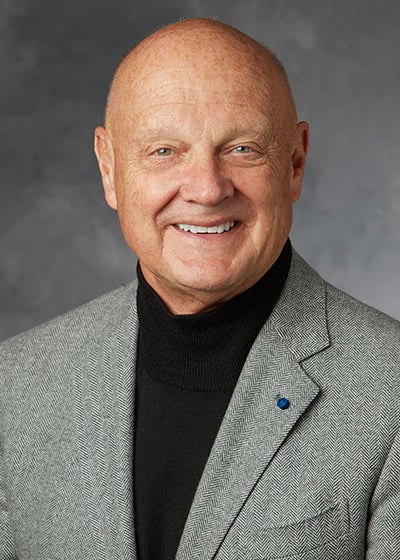
James Ellis

Admiral James O. Ellis Jr.

Annenberg Distinguished Visiting Fellow

James O. Ellis, Jr. retired as President and Chief Executive Officer of the Institute of Nuclear Power Operations (INPO), located in Atlanta, Georgia, on May 18, 2012.

overlay image