








The wars of the past four years have exposed more than weaknesses in Russia, Iran, or other regional powers. They have also exposed dangerous assumptions in Western military thinking. Ukraine demonstrated that precision weapons are no longer the exclusive domain of advanced militaries. The conflict with Iran showed that even the world’s most sophisticated missile defenses can be strained by mass attacks. Together, they delivered a simple but profound lesson: modern war is no longer won by possessing the most advanced weapons alone. It is won by building forces that can survive, adapt, replenish, and keep fighting.
That lesson matters most in the Indo-Pacific.
For decades, American military planning has rested on the assumption that superior technology would offset geography. The United States could project power across the Pacific through aircraft carriers, large air bases, and a relatively small number of highly sophisticated platforms. China has spent the past twenty years designing its military specifically to undermine that model. Rather than trying to match America ship for ship or aircraft for aircraft, the People’s Liberation Army has concentrated on disabling the handful of critical nodes upon which American power depends.
The United States should therefore stop thinking about defeating China by winning one decisive battle. The real objective is much simpler—and much more demanding: deny Beijing any realistic path to victory, whether in the opening weeks or over the course of a prolonged war.
That requires a different way of thinking about war.
America’s first task is to survive the opening blow. Any conflict with China would almost certainly begin with missile attacks, cyber operations, and electronic warfare aimed at American bases, communications, and logistics. The objective is not to emerge unscathed, but to preserve enough combat power to deny Beijing the rapid victory on which its entire strategy depends.
The second task is to dismantle the PLA’s ability to wage offensive war. Certainly, that means destroying amphibious shipping, missile launchers, logistics networks, command systems, and the supply lines supporting an invasion across the Taiwan Strait or elsewhere. But stopping there would repeat one of history’s oldest military mistakes: defeating the enemy’s fielded forces while leaving intact the industrial engine that regenerates them.
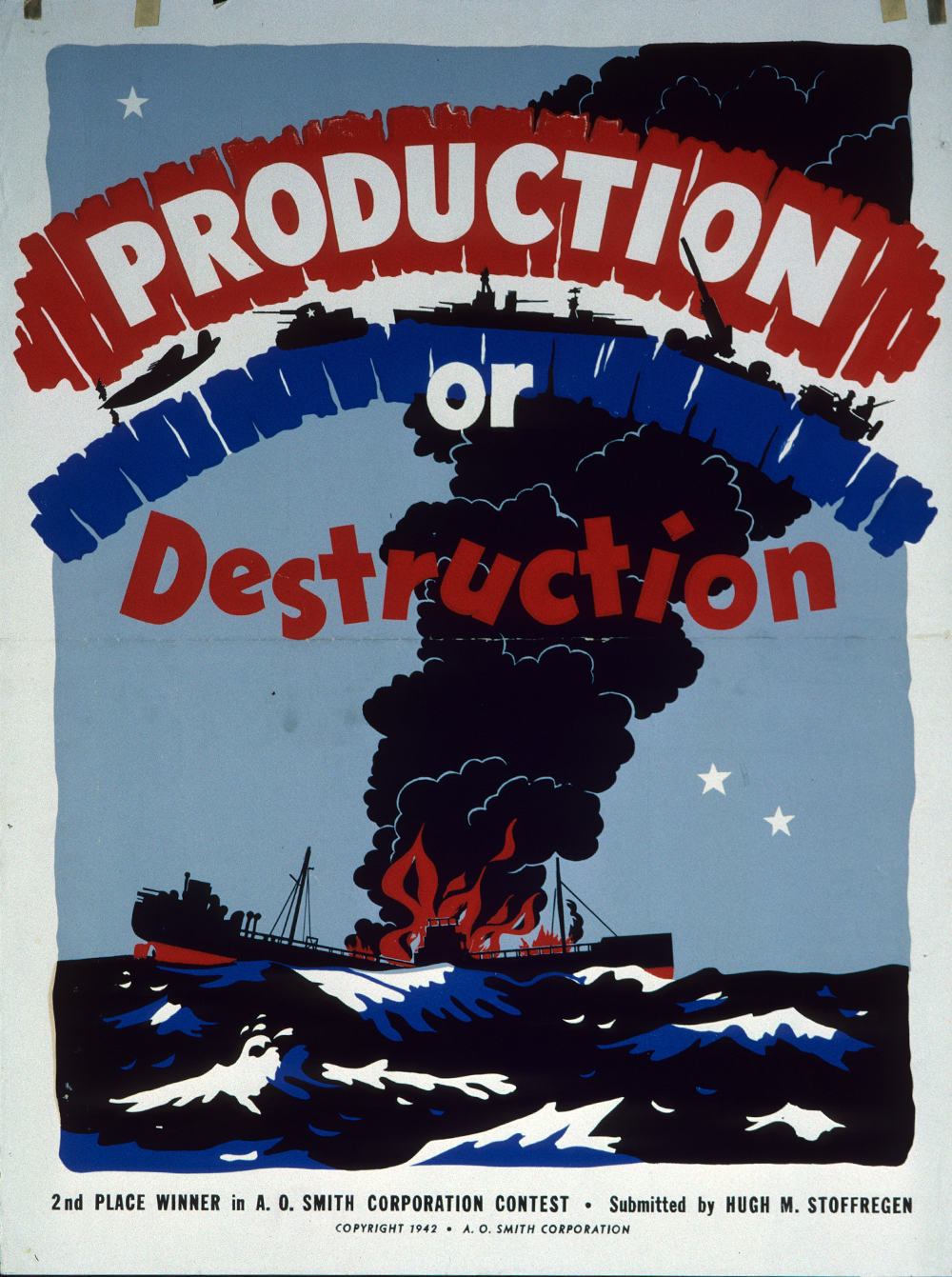
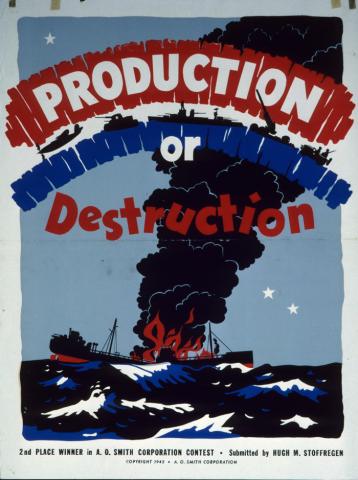
Ukraine has demonstrated that industrial production is no longer merely a supporting function of war—it is war. Factories producing missiles, drones, armored vehicles, electronics, ship components, and ammunition are as strategically important as the forces they equip. In any prolonged conflict with China, the PLA’s greatest strength would not simply be its ships or aircraft. It would be the enormous military-industrial complex capable of replacing losses faster than they can be inflicted.
That reality demands a broader understanding of legitimate military objectives. The purpose is not to wage war against China’s civilian population or to destroy its economy indiscriminately. It is to degrade the industrial capacity that directly enables continued military aggression. Shipyards building naval combatants, missile production facilities, military aircraft factories, dual-use electronics manufacturers, ammunition plants, strategic fuel infrastructure, and transportation hubs supporting military logistics all become integral components of the PLA’s warfighting capability. Leaving them untouched while focusing exclusively on frontline forces would allow China to replenish its losses while the United States gradually exhausts its own.
Preparing for a long war therefore requires thinking beyond the battlefield. Ukraine has reminded us that wars between major powers become contests of industrial endurance. Factories, shipyards, transportation networks, supply chains, and production capacity ultimately determine military staying power. A nation that can replace missiles faster than its opponent can destroy them will eventually prevail, regardless of how brilliantly the opening campaign unfolds.
This realization should also force Washington to abandon several comforting assumptions inherited from the post-Cold War era.
It should stop assuming that aircraft carriers alone can dominate the Western Pacific. It should stop assuming that large air bases will remain untouched, that satellites and communications will function continuously, that precision munitions will always be plentiful, or that wars will end before industrial production becomes decisive. It should also abandon the illusion that alliances can be assembled after fighting begins. Coalitions, logistics, access agreements, and industrial cooperation must all be established before the first missile is fired.
None of this suggests that American military power is in decline. Quite the opposite. The United States possesses unmatched alliances, technological innovation, economic strength, and military professionalism. But those advantages must be organized differently.
The future belongs to militaries that are harder to find, harder to destroy, easier to replace, and capable of fighting after absorbing heavy losses. Success will depend less on a handful of exquisite platforms than on resilient networks, distributed forces, sustained production, and the ability to attack not only enemy forces in the field but also the industrial foundations that keep those forces alive.
The central lesson of Ukraine, Iran, and other recent conflicts is larger than technology or tactics. Modern wars are won by breaking an adversary’s entire system of military power—not merely its frontline formations. The best American war plan is one that convinces China’s leaders that every pillar supporting the PLA’s war machine, from its invasion fleet to the factories that rebuild it, would be placed at unacceptable risk. When that conclusion becomes inescapable in Beijing, deterrence will have achieved its highest purpose: preventing the war from ever beginning.

