







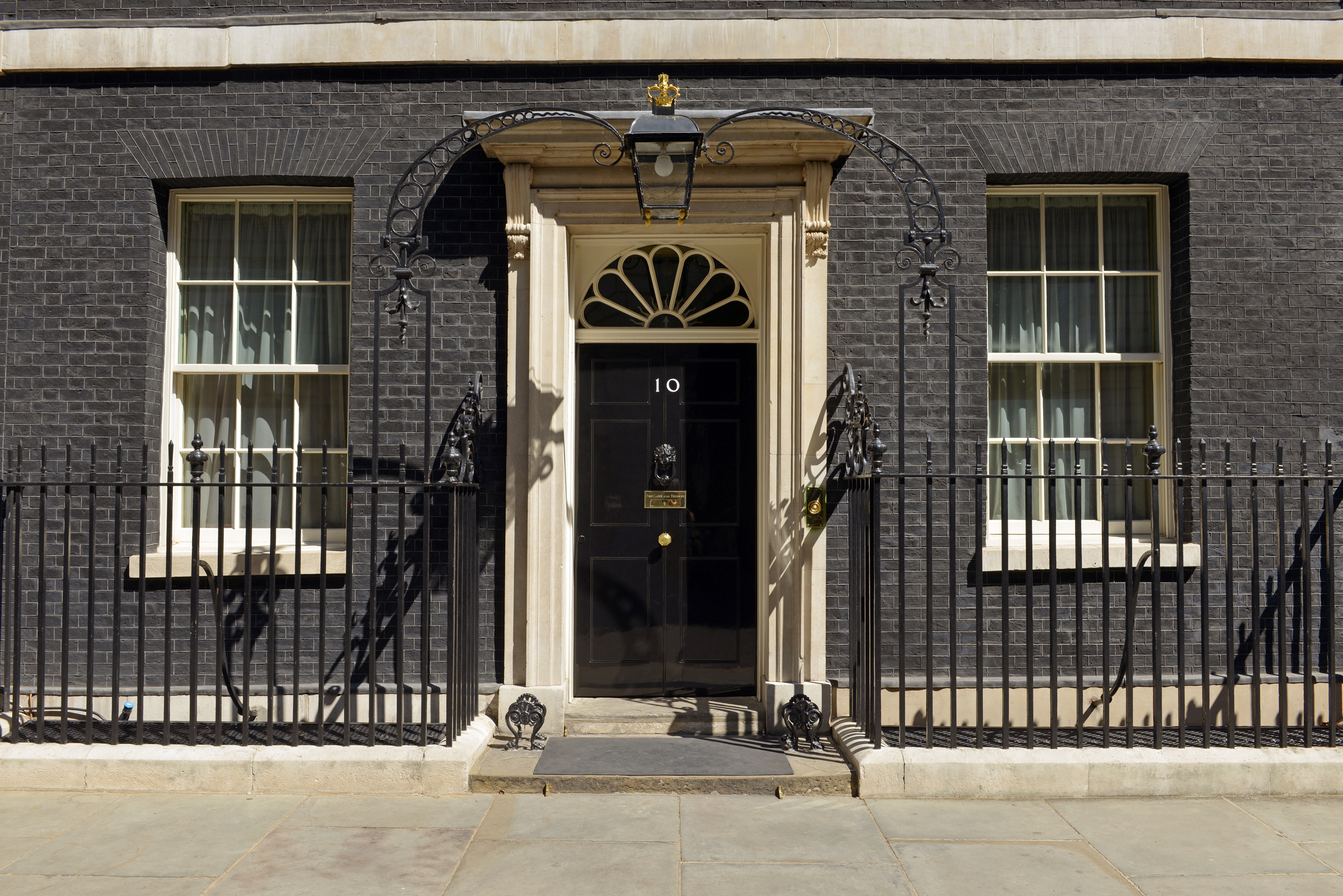
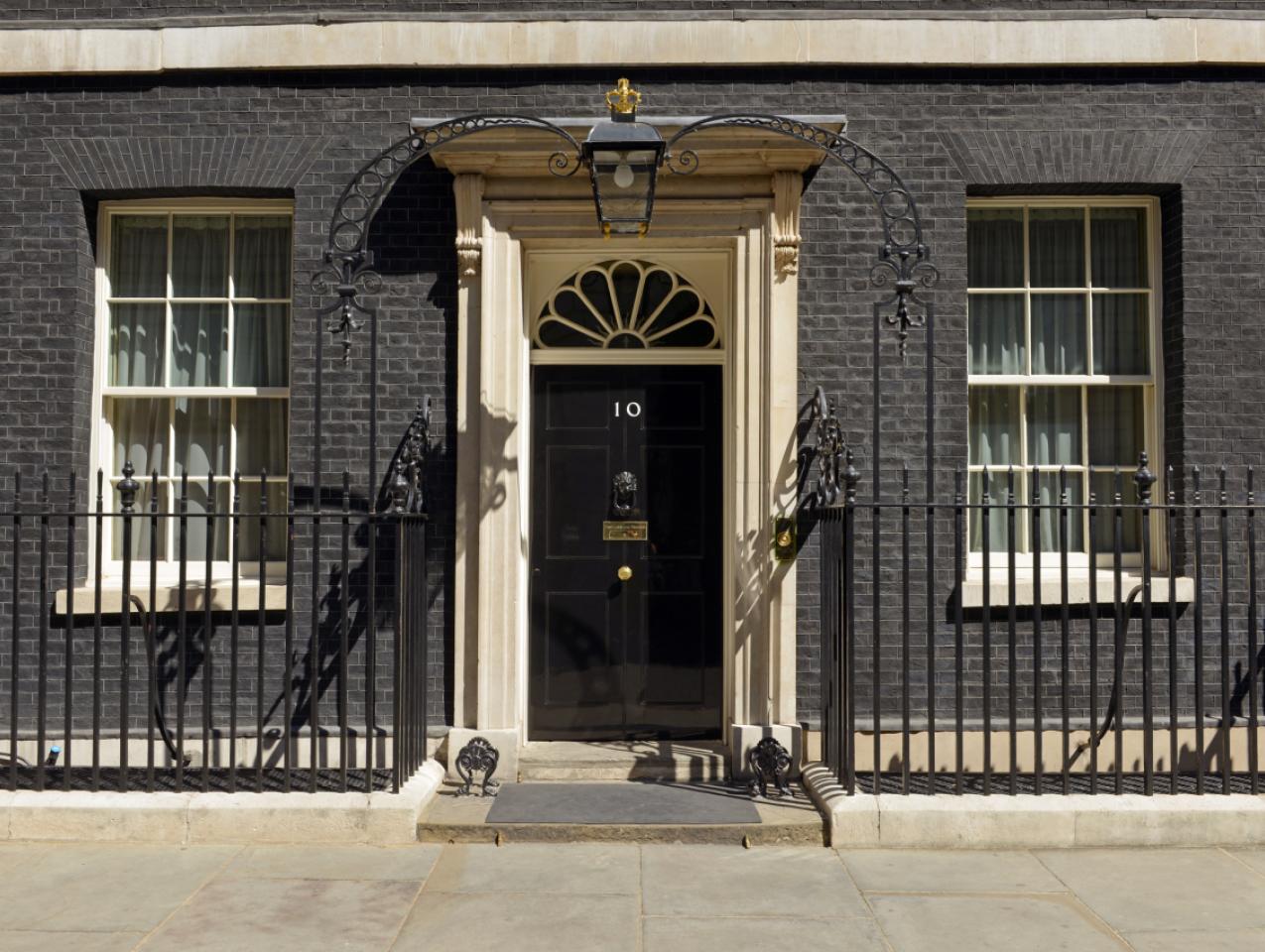
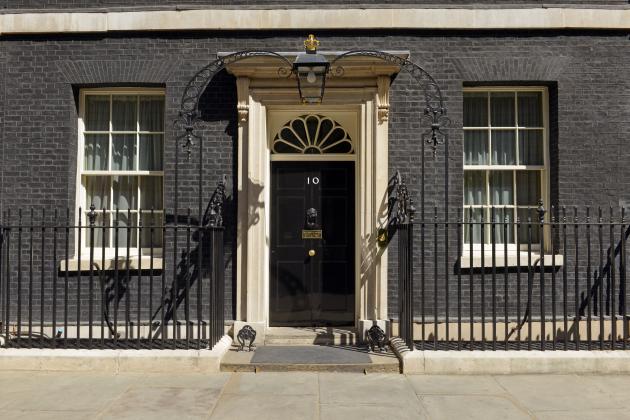
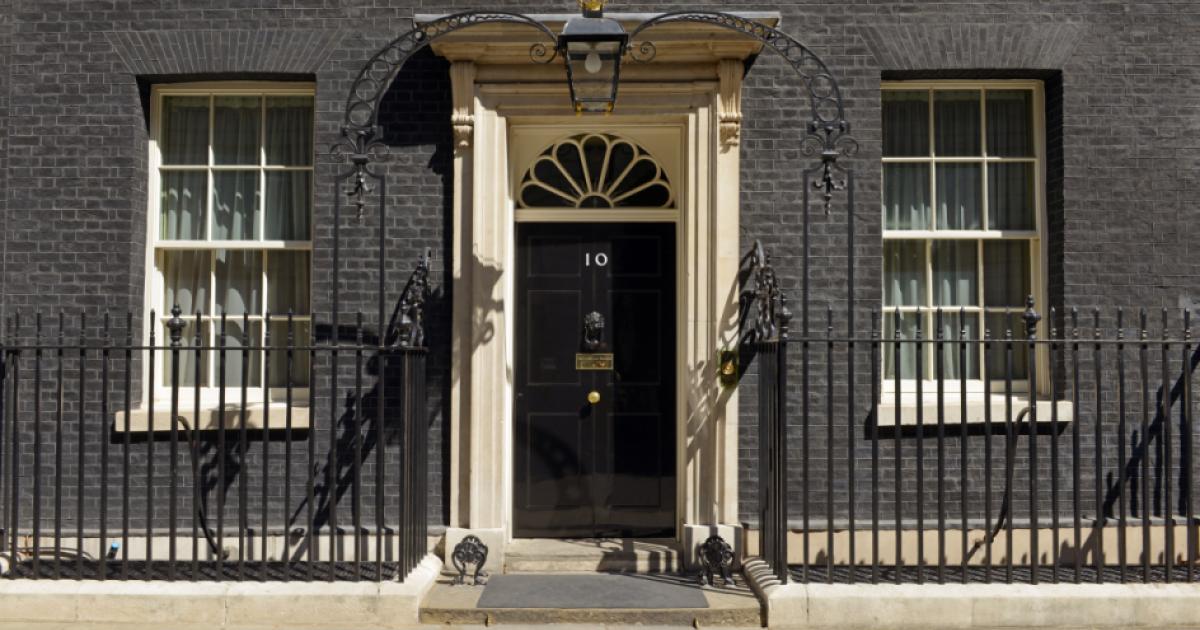
On September 1, former prime minister Keir Starmer announced his resignation from Parliament, just over a month after he was forced out of Downing Street by the Labour Party. This not only marks the conclusion of his career as an elected official but also reminds the world that no party has proven willing to face Britain’s difficult economic and policy realities.
Many observers have noted that Larry, the Downing Street cat, has now seen seven prime ministers come and go over the last decade. While such chaos is “embarrassing” and turns the nation into a “global laughingstock,” recent events constitute something more serious: a domestic policy parallel to the disastrous Suez Crisis.
In 1956, a secretive military operation by Britain, France, and Israel attempted to seize the Suez Canal, which had been nationalized by Egypt’s Gamal Nassar. A surprised and angered President Dwight D. Eisenhower forced a British retreat by threatening the pound. This event demonstrated to the world that Britain had fallen from global imperial leader to second-tier power.
Seventy years later, the displacement of Prime Minister Starmer by Andy Burnham constitutes another moment when national decline can no longer be denied.
When the Labour Party won the 2024 parliamentary elections, many thought grown-ups were back in charge of Britain after “fourteen years of Tory misrule.” Two years later, we know this optimism was misplaced.
Regardless of which individual or party is in charge, twenty-first-century Britain has proven collectively unwilling to face its fiscal and economic problems. There is no appetite for difficult choices among the political class. Both Labour and Tory politicians would rather rearrange ministerial deck chairs on the Downing Street Titanic.
At this dispiriting time, a stagnant nation looking for direction might consider one lesson of Suez. Rather than turning to Europe, Britain should deepen its ties with the United States.
The no-growth miasma
The nation’s fundamental problem is that it desperately needs economic growth but has little idea how to encourage it. And a stagnant economy cannot generate the tax revenue required to fund a large state.
Both Conservative and Labour governments have failed to implement a realistic economic growth strategy; reverse the declining capacities of institutions ranging from the police to the armed forces; or tell hard truths to voters who want someone else to pay for more government welfare programs.
Waiting in the wings are the populists of the left and right, offering up a fantasy politics that blames billionaires or immigrants for the nation’s problems.
In the meantime, debt grows. The cost of living is high. Welfare spending is greater than income tax receipts. Defense underfunding is undeniable. The country is said to pay what has caustically been dubbed a “moron premium” on bonds due to poor economic decision-making. And taxes are at a historically high level.
Such problems long predate the Starmer government, but after a decade and a half of Tory missteps, it is now Labour’s turn to stumble.
Having come face-to-face with difficult realities, the party decided to punt. Cheered on by a commentariat addicted to political drama, Labour threw Starmer under the bus and started over with an imaginary savior touting gimmicks and new paths to salvation—Manchesterism!—just as the Tories hoped that Theresa May, Boris Johnson, Liz Truss, and Rishi Sunak would somehow resolve difficult problems.
While Labour blamed Starmer for its low poll numbers and recent election defeats, and panicked about a parliamentary election likely three years away, it was his cabinet and backbenchers who were the problem.
When Starmer tried to cut welfare, his party serially rebelled, and he was forced into U-turns that were blamed on his personality. And while Starmer clearly articulated the Russian threat, his own party was allergic to making the welfare, net-zero, and “triple lock” pension cuts needed to pay for defense.
In retrospect, a telling moment came when Starmer pointed out, after less than two months in office, that “things will get worse before we get better.” This bit of political truth-telling was uncomfortably received by a political class that prefers vibes to reality.
In 1956, Britain’s misadventure in Egypt revealed a nation that was no longer the global power that created an empire and ruled the waves.
In 2026, the Burnham coup revealed a political class that is unwilling and unable to face Britain’s fiscal and policy challenges.
Where the “special relationship” can help
On the Fourth of July, Lord Andrew Roberts suggested that “America would be even greater if it was still part of Britain.” But might today’s Britain be better off closer to America? Despite the “talk America down” crowd of the socialist left and the illiberal right, our nation at its 250th anniversary remains a dynamic, resilient, and prosperous society and economy, and Britain needs a dose of this medicine.
This could mean, for example, closer alignment with US tax and regulatory policies; greater collaboration on technology and security issues; a larger role for the US health care sector in the National Health Service; more research and higher-education partnerships; and a trade agreement that better integrates our economies. And because regional disparities and a growing welfare state are key issues on Burnham’s agenda, Britain can learn much from the American experience with federalism and welfare reform.
Some will see an even more special relationship as counterintuitive in the Trump era, but righting Britain is a long-term project. And one lesson of Suez is that working with France instead of America was a bad idea. Today, rather than turning to a less-vibrant Europe and rejoining the EU, a stagnant and rudderless Britain could only benefit from tighter relationships with its former colony.

