







- Economics
- Budget & Spending
A Nobel Prize–Winning Economist Offers the “Flat-Tax Bible” (Forbes)
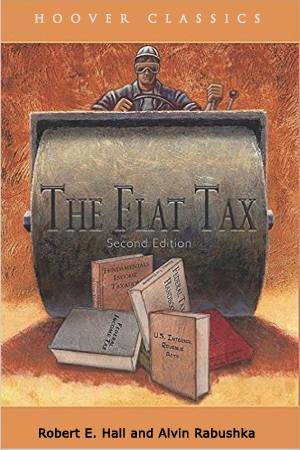
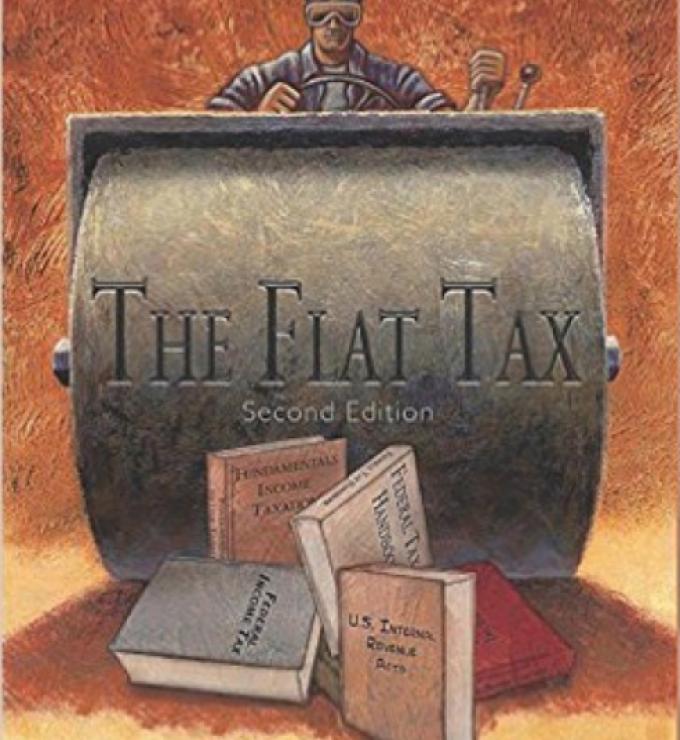
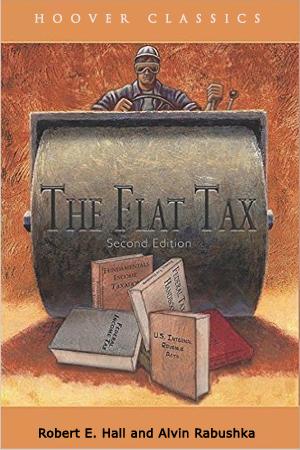
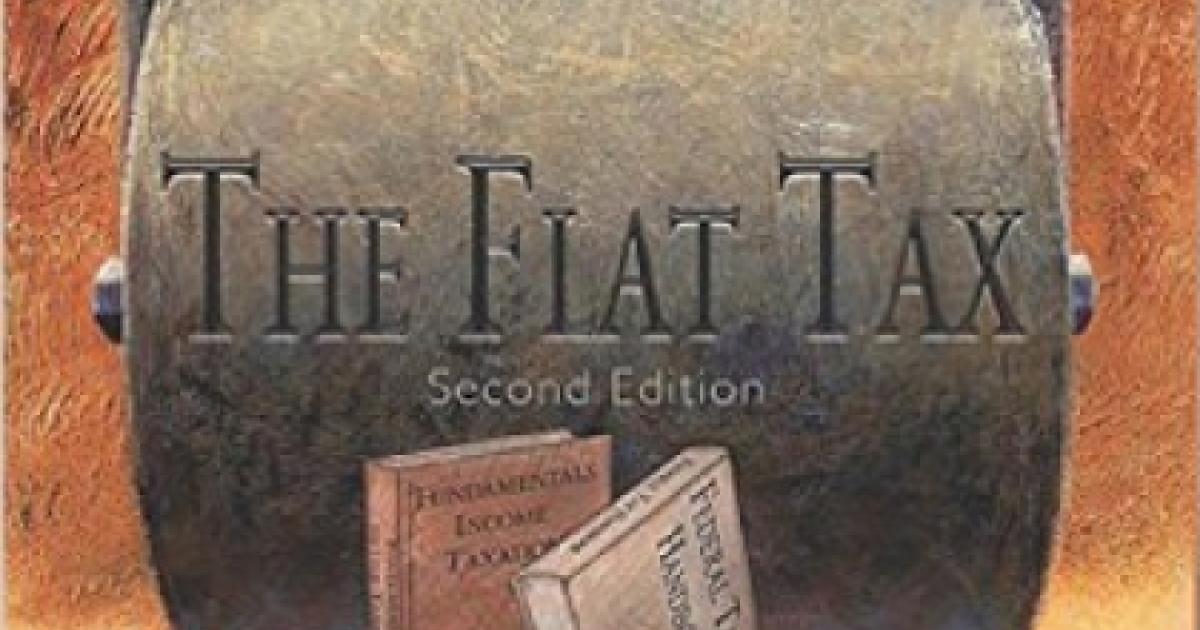
Millions of Americans struggle with complicated tax codes. In The Flat Tax, Robert E. Hall—2026 Nobel laureate in economics—and co-author Alvin Rabushka present a groundbreaking vision for a simpler, fairer tax system.
The current federal income tax code is a burden for taxpayers. Its endless regulations and countless forms lead to more errors, more audits, and less compliance. A single, uniform tax rate for all would address critical issues such as:
- Fairness. A flat tax across all income levels eliminates personal deductions and credits that disproportionately benefit higher earners.
- Efficiency. Loopholes and complexities lead to tax avoidance and evasion. Simplifying tax laws reduces compliance costs for both taxpayers and the government.
- Simplicity. The IRS sends billions of pages of forms to taxpayers every year. A flat tax would replace this overwhelming paperwork with a single postcard, saving time and resources.
Inspired by the ideas outlined in The Flat Tax, many countries have successfully adopted variations of this model. Addressing potential legislative hurdles and providing steps for transitioning to a uniform rate in the US, The Flat Tax is an essential read for policymakers, tax professionals, and citizens alike.
“It remains the flat-tax bible.”
—Forbes
“The Hall-Rabushka tax proposal is a good one, and this book explains it in clear simple terms. Anyone interested in the issue of tax reform will surely find The Flat Tax to be worthwhile reading.”
—Wall Street Review of Books
“Hall and Rabushka present a remarkably lucid and persuasive analysis of what is wrong with our present tax system and offer a radical, yet thoroughly practicable, alternative. Substitution of their simple flat-rate tax for our present incredibly complicated tax system would be a major step forward toward revitalizing the US economy.”
—Milton Friedman, Nobel laureate in economics
