
Articles
Seven Policies To Reduce Medicare Spending And Shrink The Federal Deficit
We asked Medicare policy experts to write up proposals that save taxpayers ~$100 billion over ten years. Here’s what they came up with.
October 20, 2026
Published: October 17, 2016
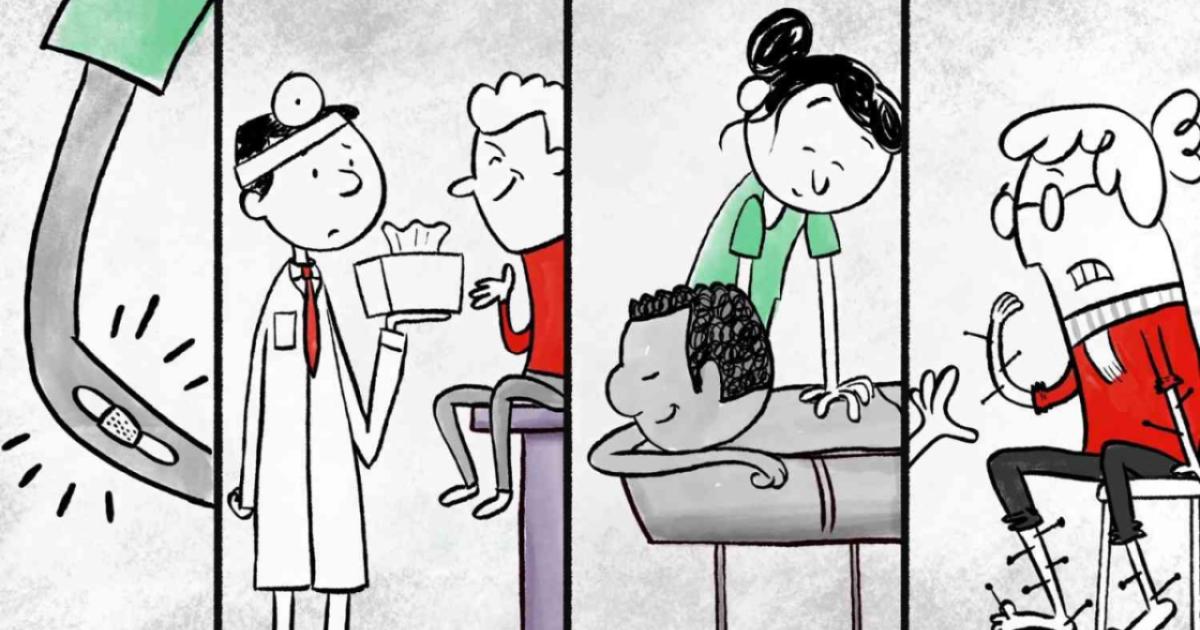
Reforming health insurance in this country begins with redefining our understanding of what insurance is and what it supposed to cover. Insurance isn’t for routine or predictable expenses. Over time, we have come to expect all of our health care to be provided through insurance, and covering more has helped make health insurance cost more.
Discussion Questions
Articles
We asked Medicare policy experts to write up proposals that save taxpayers ~$100 billion over ten years. Here’s what they came up with.
October 20, 2026
Essays
General revenue now funds about half of Medicare. This brief proposes replacing Medicare Part B’s five IRMAA (Income-Related Monthly Adjustment Amount) premium tiers with a linear ramp that ends the taxpayer subsidy at $250,000 of income for single seniors and $500,000 for couples. The reform raises up to $113 billion over 10 years, removes premium cliffs to smooth out marginal tax rates, and leaves premiums unchanged for roughly 90% of Part B enrollees.
October 20, 2026
Traditional Medicare’s cost-sharing structure has not changed since 1965. Beneficiaries face separate Part A and Part B deductibles, per-day hospital copays, no coinsurance on certain services, and no annual out-of-pocket cap. This brief lays out reform templates proposed by the Simpson-Bowles Commission, the Congressional Budget Office, and others, compares a decade of budget scores, and analyzes a pending Senate bill that would add a spending cap without the offsetting cost-saving reforms.
October 20, 2026