







- International Affairs
- US Foreign Policy
- Security & Defense
- China
- Confronting and Competing with China
- Determining America's Role in the World
- Understanding the Effects of Technology on Economics and Governance
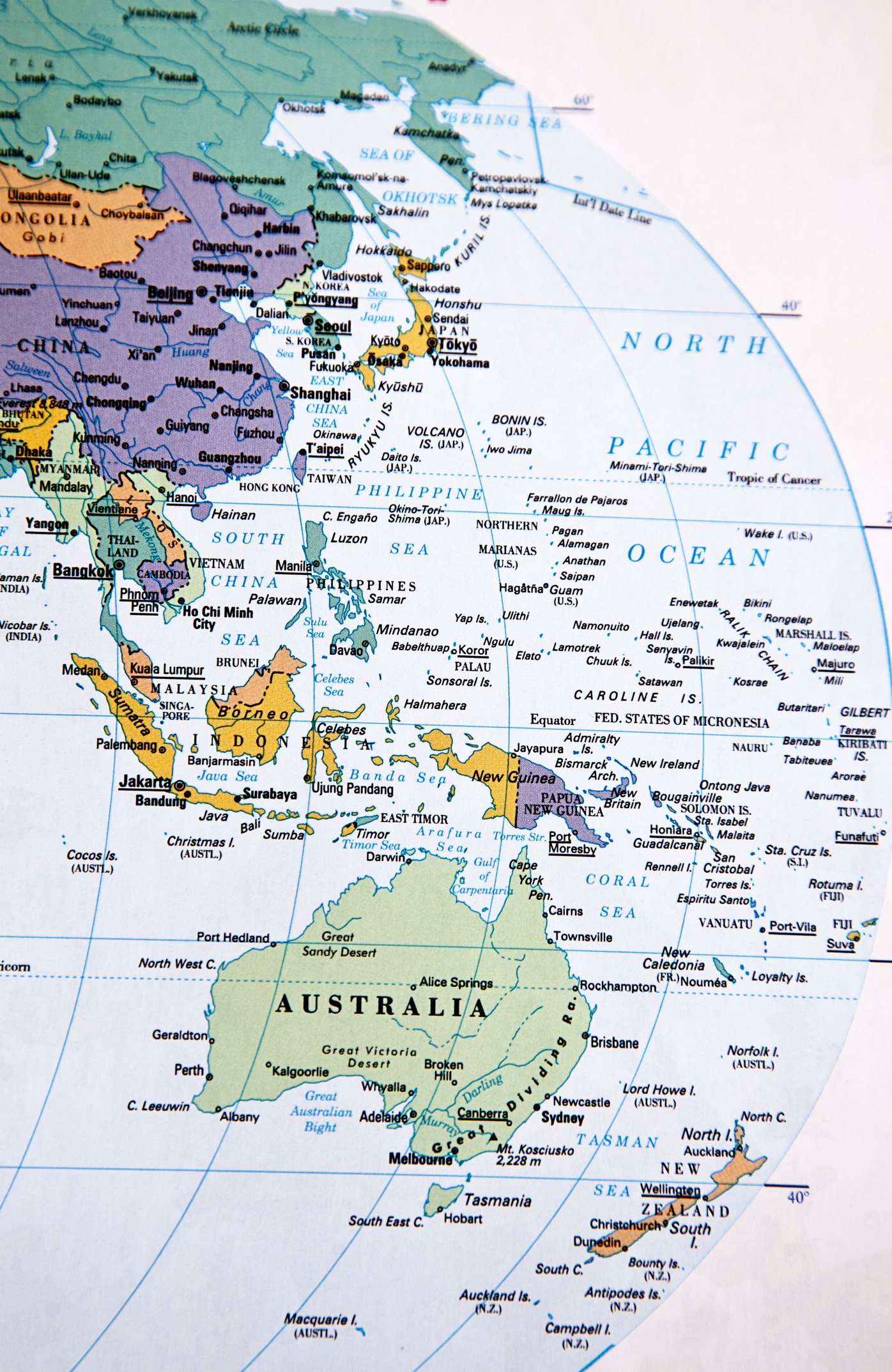
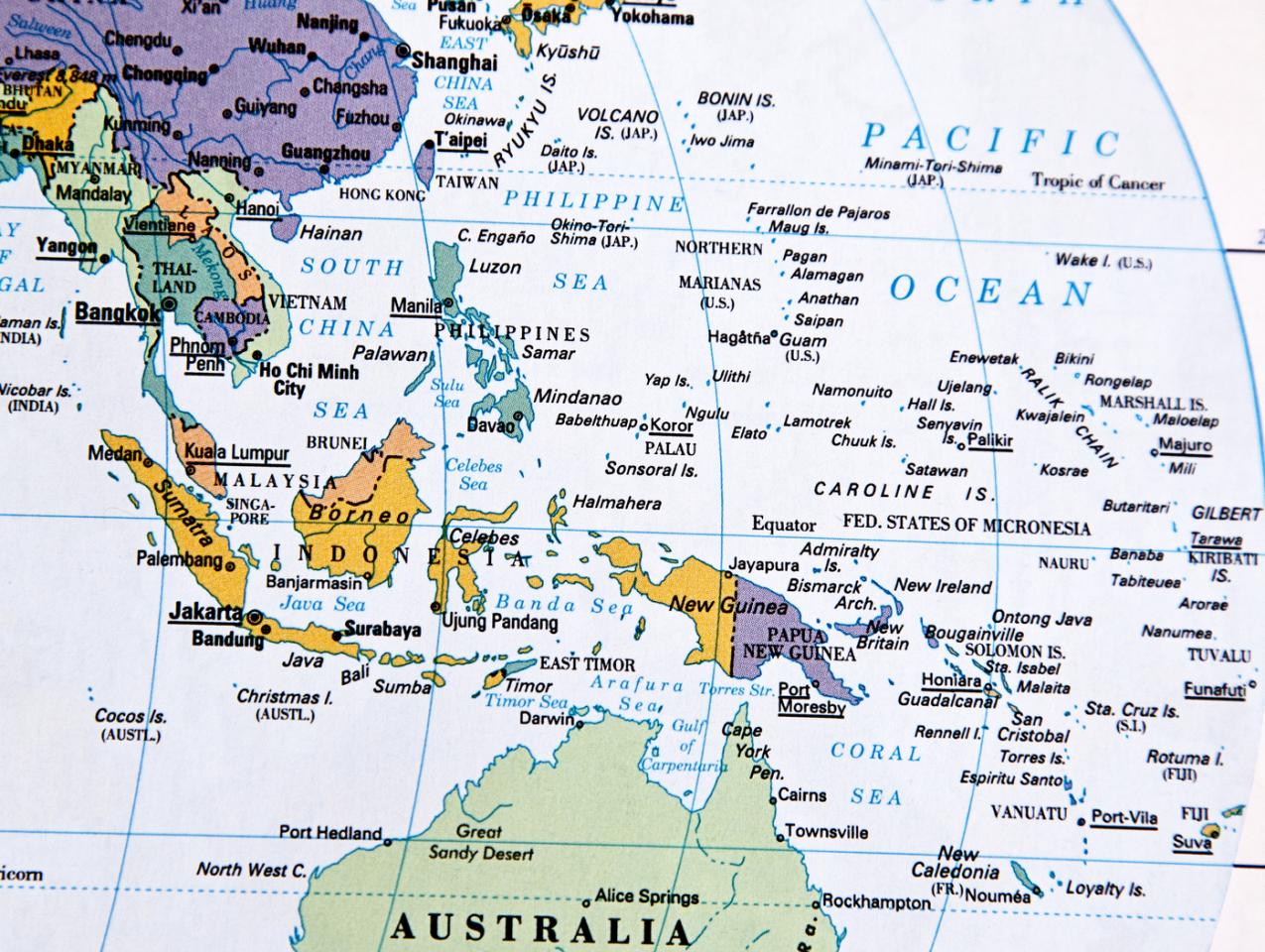
In a war over Taiwan, the key challenge for allied forces will not be finding targets but choosing among them. China can flood the battlespace with militia boats, dual-use ferries, and merchant ships carrying concealed missiles. This strategy could exhaust allies' limited munitions and create devastating civilian casualties, fracturing the coalition. Pacific allies must agree now on shared rules for algorithmic targeting, before a crisis exploits allied gaps.
Key Takeaways
- Algorithmic targeting has removed the old bottleneck in maritime war—finding targets—and replaced it with two others that scale far worse: limited munitions and political tolerance for error.
- China’s use of maritime militia and containerized missiles on commercial ships intentionally blurs the lines between combatant and civilian vessels. This forces allied targeting systems into an impossible trade-off: risk attacking civilians or risk letting threats pass through.
- The political fallout from mistaken strikes would disproportionately harm US allies, making civilian casualties a threat to alliance cohesion.
- The solution is to agree on rules before a conflict: a shared target taxonomy that ranks targets based on military value, the confidence required to strike, and the risk of escalation.
- Declared maritime exclusion zones, coordinated with flag states and the marine insurance market, can clear civilian traffic out of harm’s way, reducing the number of ambiguous targets.
Cite this essay:
Michael C. Loftus and Eyck Freymann, “The Selection Problem: Aligning Pacific Allies for Algorithmic Warfare,” Allied Coordination Working Group, Hoover Institution, September 2026.

