









There is considerably more evidence for the lost kingdom of Atlantis than there is for the catastrophe-inducing notion that wars can be predictably short. A confluence of natural and man-made tragedies approximately a millennium before the Common Era—earthquake, volcanic eruption, cataclysmic flooding, civilizational collapse, and interwoven wars over the remains—may have ingrained “ghost memories” among the descendants of the survivors that, in time, became a myth of paradise lost. Atlantis may, in fact, have been a much-put-upon Crete.
By contrast, history’s wars beyond counting are only too real and have usually been lengthy affairs, sometimes dragging on for centuries, yet we have fabricated a comforting, insidious delusion, utterly counterfactual, that wars can and should be brief, if only we get the program right.
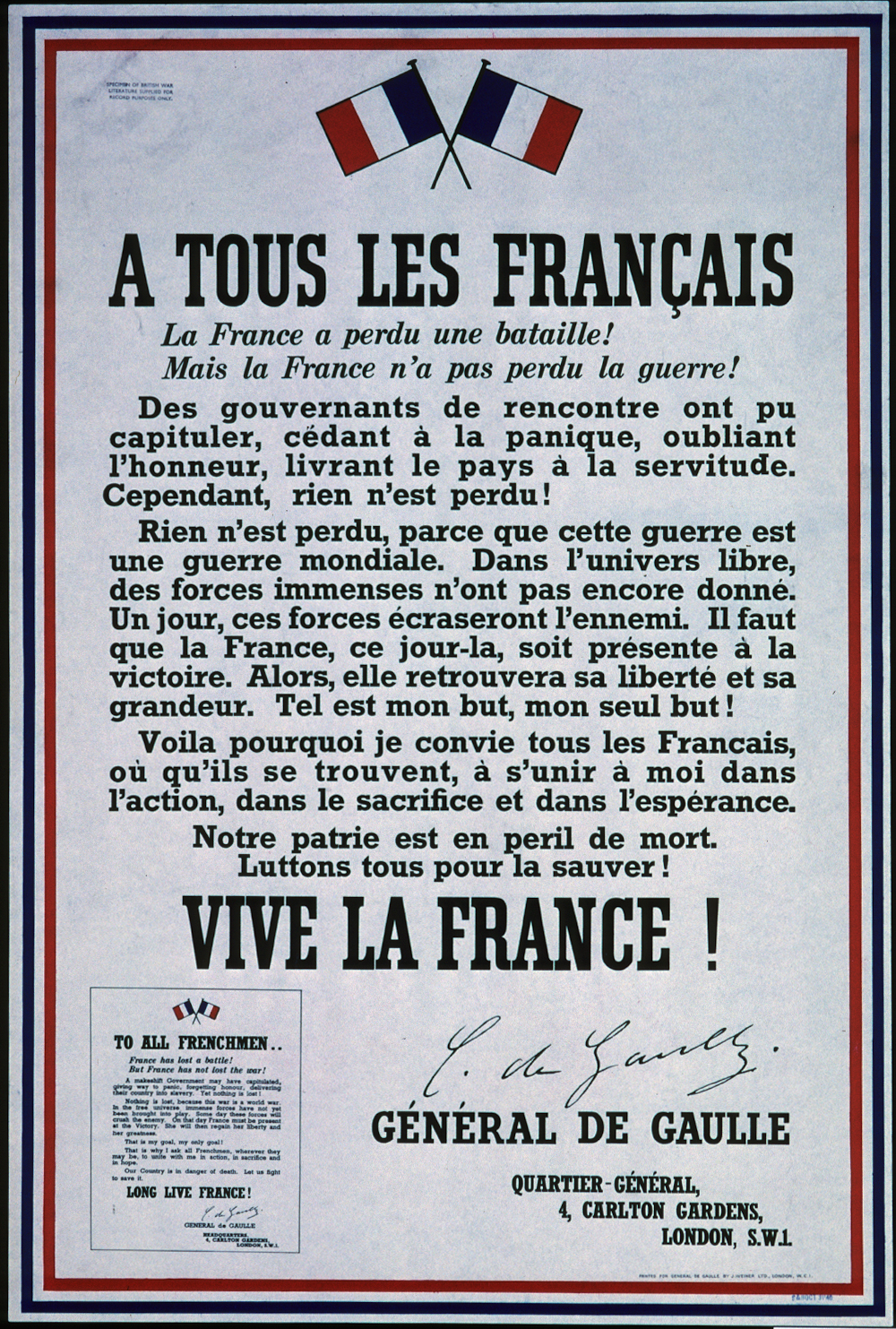
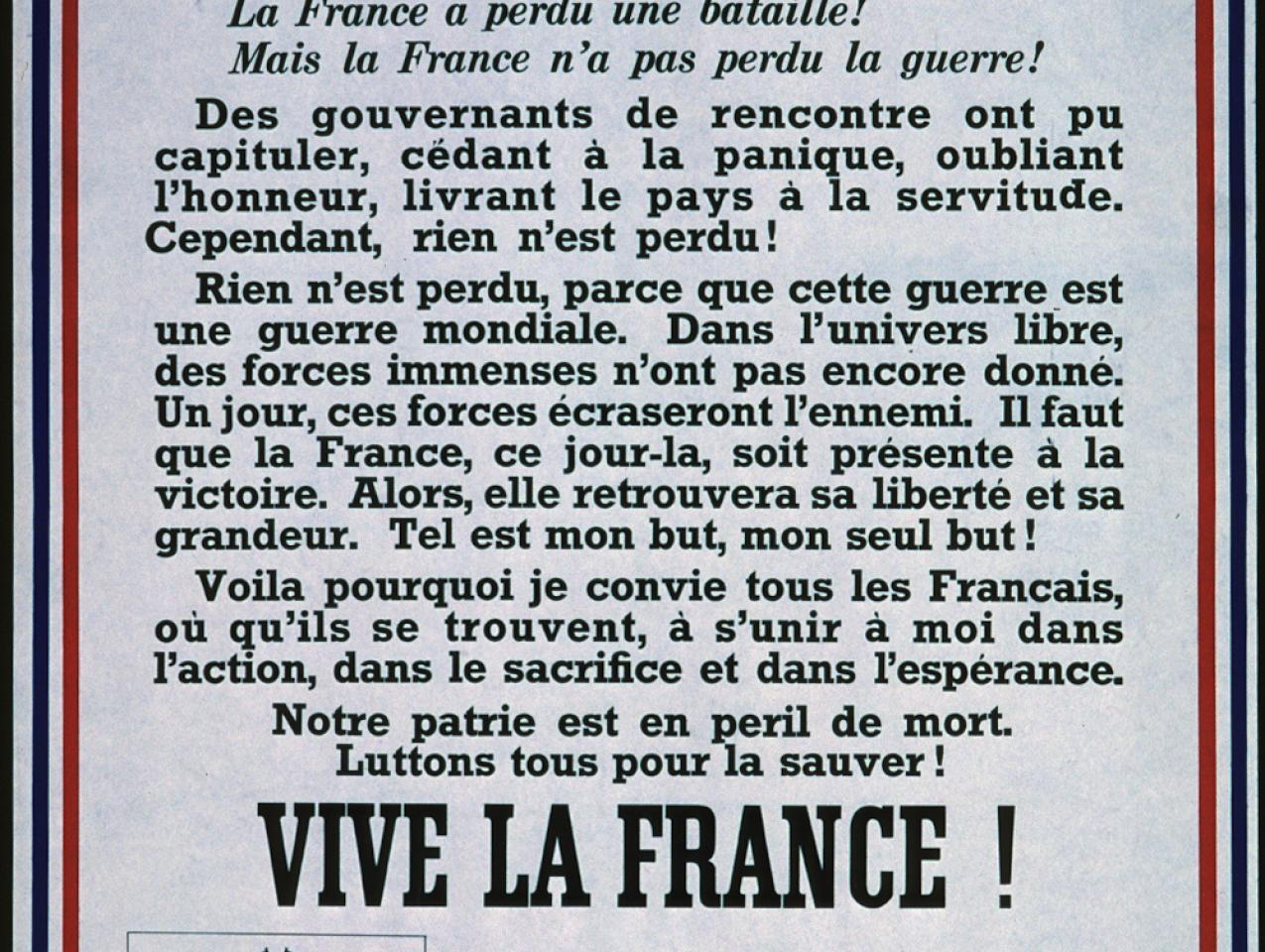
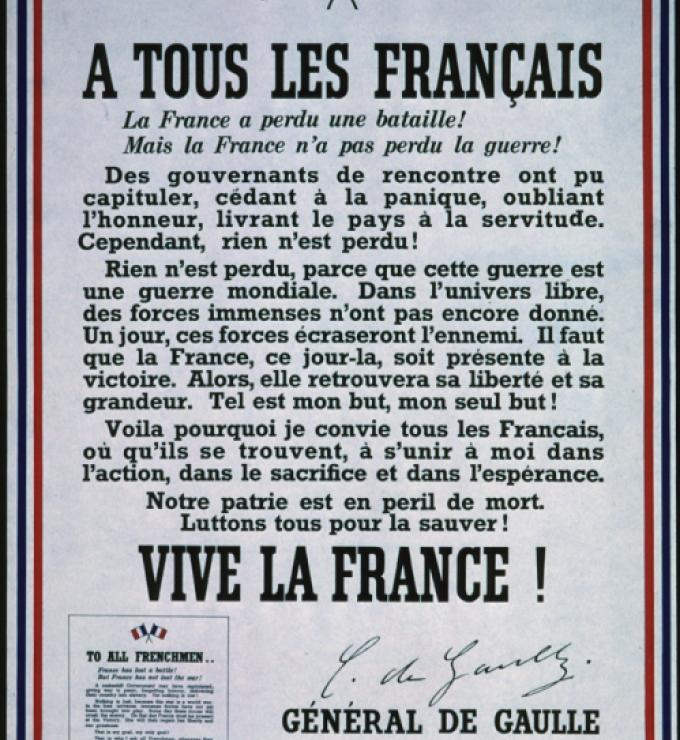
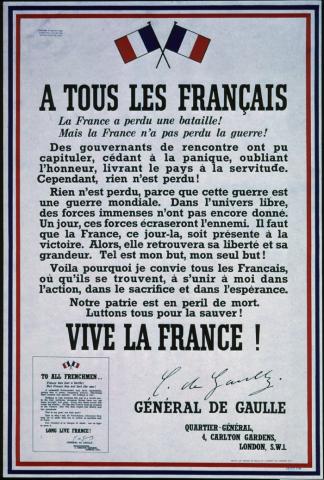
The only period during which short wars appeared to prevail was the Germanic eruption between the Prusso-Danish Wars of 1864 and 1865, and the Fall of France in 1940. But not only did the latter prove a mere prelude to the greatest war in history, the short-war delusion had already died on the Western Front: The pallbearers just hid the corpse. Prussia’s original “lightning” victories in 1866 and 1870–71 were anomalies enabled by Prussia’s early recognition and effective assimilation of revolutionary technologies wed to explosive, long-suppressed nationalism. (Nor do popular histories note the crippling effect of cholera on both armies after Königgrätz/Sadowa.)
Beyond raids and punitive expeditions—which can also develop into lengthy struggles—wars have tended to be long, often outlasting the generation that initiated the conflict. Myth-impoverishing films still remind us that it took ten years for the Greeks to level the “topless towers of Ilium.” But the reality of that war—if there is, indeed, a foundational reality involved—was odds-on a peripheral struggle within a multi-sided, generations-long contest for hegemony in the eastern Mediterranean.
Advance half a millennium or so and we have the well-documented Peloponnesian War, then Alexander’s itinerant warmaking—paused only by his death. Rome’s Punic Wars, its wars of expansion, all-but-endless frontier insurrections and mutinies were followed by the barbarian invasions.
Contrary to revisionist historians, the subsequent Dark Ages were dark, indeed, with the centuries-long advance of Islam and constant conflicts internal to ruptured Europe. It’s a bit droll that the peaceable European Union should choose Charlemagne as its totemic figure, given that, in the course of his half-century rule, old Charlie saw only a single year of peace.
Nor were the Crusades a study in brevity and efficiency. In their wake, the Mongols threatened and the Ottomans arrived for a six-century stay and grinding hostility.
Need one cite the “Hundred Years’ War,” with its routine changes of fortune? Even the Black Death barely interrupted the fighting (although it did reduce the size of armies).
Gruesome and squalid, the Thirty Years’ War was the central—but far from the only—struggle in a century of warfare that included the Eighty Years’ War in the Netherlands and vast, bitter struggles on Europe’s eastern marches before and after the Peace of Westphalia.
Hardly a decade in length, the War of the Spanish Succession was a virtual Blitzkrieg by historical standards. Then came the first true world war, the Seven Years’ War, waged from the American colonies to India, from the Caribbean to Silesia.
Yet even this partial list of exemplary wars (which does not survey the uncounted wars beyond our civilization of even the twilight wars of Byzantium) may take too short-term a view. I’ve long agreed with Kevin Phillips that the English Civil War may have begun in 1642 but only ended at Appomattox in 1865.
Short wars? Vietnam? Afghanistan? Iraq? Iran? Discreet struggles, or the messy, long-term reordering of civilizations on a global scale? We peer into the heavens but refuse to see what’s in front of us.
Human beings cling to lulling dreams, not least the fantasy of war as a quick trip to the dentist. We have witnessed the collapse of ideologies for which millions were sacrificed; the tawdry disintegration of empires; and the betrayal, again and again, of our best promises, all in the lifetimes of men and women still alive.
William James, the greatest American philosopher, wrote that “history is a bath of blood.” Yet, we view it as a mere costume epic in which Private Ryan will always be saved. Evidence be damned.
Ralph Peters is a retired U.S Army officer and writer.

