







- Security & Defense
- Middle East
- US Foreign Policy
- International Affairs
- Determining America's Role in the World
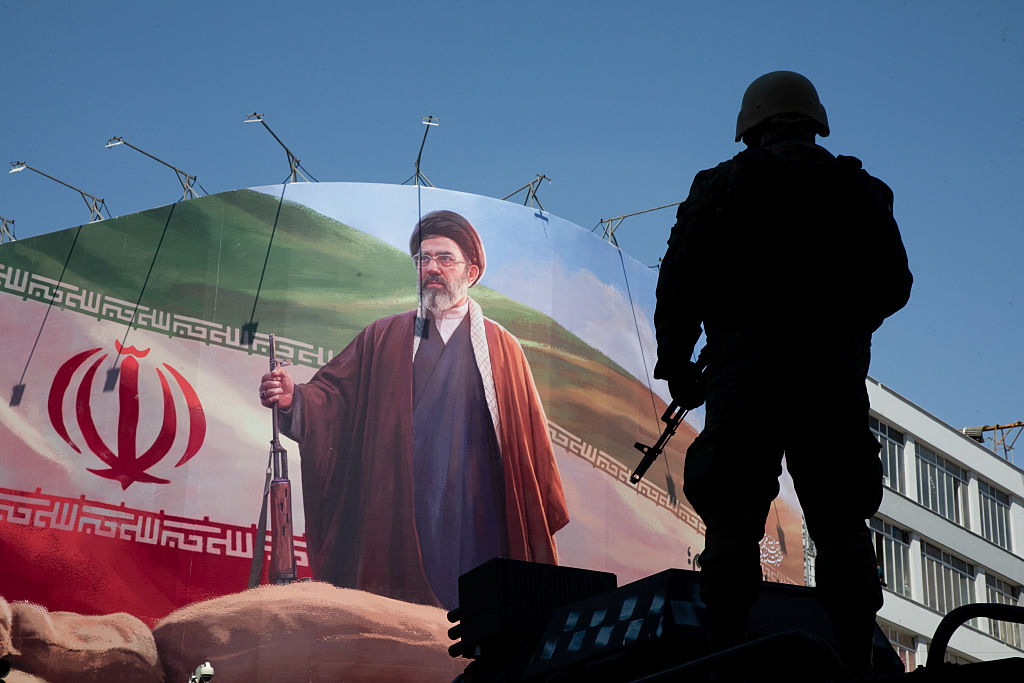
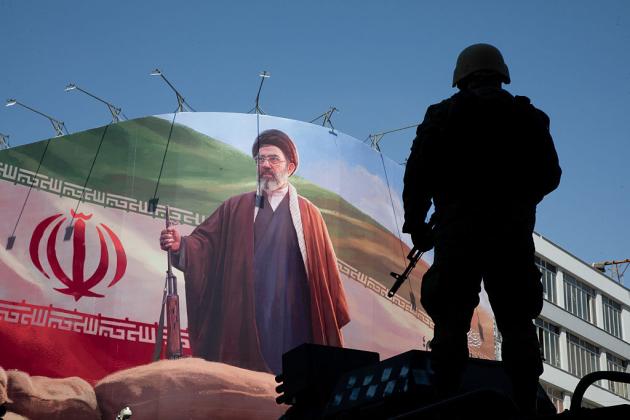
For President Donald Trump and Israeli Prime Minister Benjamin Netanyahu, their second war on Iran in less than a year has proven to be ambitious and poorly planned. It is likely to be remembered less for the rapid victory that was promised than for the strategic uncertainty that remains. Following the January 2026 protests and the government’s brutal crackdown, Washington and Israel sought to exploit what they saw as a moment of Iranian weakness. Their aim was to degrade Iran’s military capabilities and remove much of the senior leadership of the Islamic Republic in the expectation that sustained pressure might produce a government more willing to accept US terms and retreat from its dangerous nuclear threshold.
When the war began on February 28, little more than eight months after the inconclusive twelve-day conflict of June 2025, both governments promised a quick and decisive victory against a long-time regional adversary. The opening strikes killed Supreme Leader Ali Khamenei along with senior military and security officials, while causing extensive damage to Iranian infrastructure. Yet the conflict soon became much harder to contain. Forty days of fighting spread across the region with Iranian strikes impacting thirteen countries and its disruption of shipping through the Strait of Hormuz imposing significant costs on the international economy. By the time military operations slowed, the Islamic Republic remained in power and Washington had secured neither political capitulation nor a durable agreement with Tehran.
Iran’s survival encouraged some early claims that it had won the war, although survival alone obscures the extent of the damage it suffered. The state retained sufficient military capacity to impose costs on its adversaries and demonstrated that it could withstand a major US and Israeli campaign. Its position has nevertheless become considerably more precarious as the leadership faces a damaged war-torn economy, the prospect of renewed popular protests and the continued possibility of new attacks. The nuclear issue also remains unresolved, leaving Iran without a stable understanding of its future security relationship with Washington and debating whether nuclear advancements will secure the state’s longevity.
The pause in fighting that followed in April has produced a fragile ceasefire, intermittently punctuated by renewed kinetic activity, while leaving the underlying drivers of the war unresolved. The memorandum of understanding agreed in June offered a framework for negotiations, although disagreements over Hormuz and sanctions relief soon exposed its limits. With the November midterm elections approaching, Washington has returned to its age-old strategy of economic coercion and another maximum pressure sanctions campaign, while Tehran is gambling that continued disruption in the Strait will increase pressure on the United States and its regional partners.
The current period is best understood as a war between wars because the fighting has almost stopped without producing a political settlement. Washington and Tehran are not negotiating directly. Omani, Qatari and Pakistani mediators are trying to identify enough common ground to prevent another confrontation, while both governments are maintaining the pressure they believe could improve their position if diplomacy fails.
Domestic politics has become one of the clearest constraints on diplomacy because leaders in both capitals must now defend any compromise against the expectations created by the war. Trump entered the conflict promising a rapid military victory and a fundamentally different relationship with Iran. An agreement requiring substantial sanctions relief or the release of frozen Iranian assets would therefore invite questions about the difference between the administration’s original ambitions and what the war achieved. The forthcoming November midterm elections also increase this pressure as the administration manages disagreements within the cabinet and growing public concern over the economic costs of the conflict.
Political divisions inside Washington remain an obstacle too. Vice President JD Vance has invested political capital in diplomacy, whereas Secretary of State Marco Rubio has favoured a more coercive approach in which economic relief would follow significant Iranian concessions. Democratic criticism of the conduct and cost of the war adds another source of political pressure, even though the party has not yet developed a coherent alternative strategy towards Iran. These differences create further uncertainty over the terms Washington could accept and sustain.
The political struggle in Tehran has likewise constrained any move towards compromise. Mojtaba Khamenei has assumed control of a system still absorbing the death of his father and the loss of much of its senior security leadership. His absence in the political realm has increased the influence of political figures and institutions around him at a moment when the balance of power within the system is unsettled. President Masoud Pezeshkian and other pragmatists have pressed for negotiations because continued isolation threatens economic stability. Hard line factions close to the Islamic Revolutionary Guards Corps (IRGC) remain wary of concessions that could appear to vindicate Washington’s use of force and encourage further rounds of pressure.
Clearly then, domestic politics on both sides limits the room for compromise. Washington needs an agreement that shows military pressure produced meaningful results. Tehran needs one that protects the core interests of the state and removes the risk of another war. These competing requirements encourage both governments to delay difficult concessions and wait for political conditions to improve their bargaining position.
The second challenge comes from the combination of leverage and deep mistrust that now impacts the negotiating process. Washington and Tehran want to retain the pressure points that pushed the other back to the negotiating table. Iran views the Strait of Hormuz as its most important source of power because disruption there can impose significant international costs. Washington continues to rely on more stringent sanctions and an economic blockade to increase the pressure on Tehran.
The nuclear issue has become even more difficult within this environment because neither side trusts the other to honour future commitments. Washington remains determined to prevent Iran from again approaching the nuclear threshold. Tehran is unlikely to surrender what remains of its centrifuges or allow access to its facilities without credible assurances on sanctions relief and protection from another military campaign. Israeli calculations make those assurances even harder for Washington to provide because Tehran will question any settlement that leaves open the possibility of renewed Israeli strikes.
This mistrust has also created a sequencing problem that already affected the June memorandum of understanding. Tehran wants economic relief upfront before giving up its most important sources of leverage, while Washington demands Iranian action before offering significant relief. More importantly, both governments interpret the outcome of the war as evidence that thus far coercion has worked. Washington continues to believe military and economic pressure helped force Tehran back into negotiations. Tehran thinks that its survival and disruption of Hormuz has compelled Washington and regional states to take Iranian interests more seriously.
The growing complexity of the negotiations creates another obstacle because the war has expanded the dispute far beyond the nuclear issue. Questions over Hormuz now sit alongside negotiations over sanctions and Iran’s missile programme. Iran’s regional relationships and support for proxy groups like Hezbollah and the Houthis add another difficult layer to any negotiations. It is almost impossible to imagine wrapping these complex interlinked regional and national security issues into any one agreement.
Moreover, after experiencing the direct economic and security consequences of the war, Gulf Arab governments and Israel have a far greater interest in influencing the outcome of any negotiation. Washington must manage Israeli security concerns while responding to Gulf states that want greater stability and fewer disruptions to trade. Tehran must also juggle competing domestic institutions at a moment of political uncertainty. Regional mediators are therefore trying to bridge conflicting positions between governments that continue to question whether the other genuinely wants a temporary or a lasting agreement.
The political timetable in the United States places further limits on how long such a complicated process can continue without visible results. As the midterm elections approach, the Trump administration will face growing pressure to show that the war delivered a clear strategic return. As negotiations have become closely tied to the country’s economic outlook and to the ability of the political system to contain renewed discontent, Tehran faces a different urgency.
Each month that passes without an agreement gives both sides more reason to wait for better terms and increases the risk that one side escalates to change the balance. Washington calculates that sustained sanctions will gradually weaken Iran’s economy and reduce Tehran’s ability to resist. Iranian leaders are betting that continued disruption around Hormuz, combined with political pressure inside the United States, will reduce Washington’s willingness to sustain an open-ended confrontation. Iranian leverage may lose value though if regional states become better able to absorb disruption in the Strait.
Effectively, all sides are hedging against diplomacy while preparing for renewed conflict. The war left the central dispute unresolved showing that Washington could impose severe costs without compelling Iran to concede, while Iran’s leadership survived but under serious economic and security pressure. The result is a prolonged war between wars shaped by the inevitability of renewed confrontation.

