People

Leadership

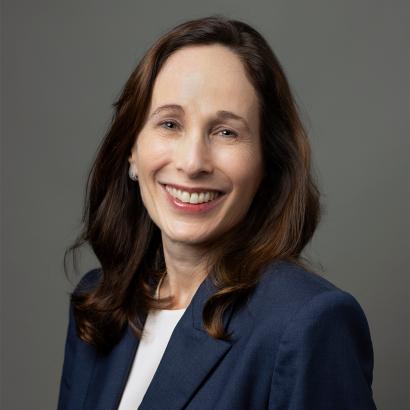
Amy Zegart

Morris Arnold and Nona Jean Cox Senior Fellow

Dr. Amy Zegart is the Morris Arnold and Nona Jean Cox Senior Fellow at the Hoover Institution. The author of five books, she specializes in US intelligence, emerging technologies, and national security. At Hoover, she leads the Technology Policy Accelerator and the Oster National Security Affairs Fellows Program. She also is an associate director and senior fellow at the Stanford Institute for Human-Centered AI; a senior fellow at the Freeman Spogli Institute; and professor of political science, by courtesy, teaching one hundred students each year about how emerging technologies are transforming espionage.

Zegart’s award-winning research includes the leading academic study of intelligence failures before 9/11: Spying Blind: The CIA, the FBI, and the Origins of 9/11 (Princeton, 2007) and the bestseller Spies, Lies, and Algorithms: The History and Future of American Intelligence (Princeton, 2022), which was nominated by Princeton University Press for the Pulitzer Prize. She also coauthored Political Risk: How Businesses and Organizations Can Anticipate Global Insecurity, with Condoleezza Rice (Twelve, 2018). Her op-eds and essays have appeared in Foreign AffairsPolitico, The New York Times, The Washington Post, and The Wall Street Journal.

Zegart has advised senior officials about intelligence and foreign policy for more than two decades. She served on the National Security Council staff and as a presidential campaign foreign policy advisor and has testified before numerous congressional committees. Before advancing her academic career, she spent several years as a McKinsey & Company consultant.

Zegart received an AB in East Asian studies from Harvard and an MA and a PhD in political science from Stanford. She serves on the boards of the Council on Foreign Relations, Kratos Defense & Security Solutions, and the American Funds/Capital Group.

Read Full Bio

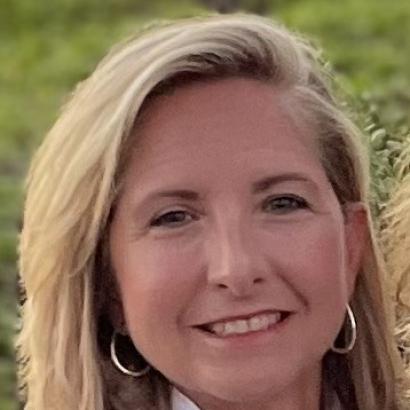
Maria Langan Riekhof

Distinguished Visiting Fellow

Maria Langan Riekhof is a distinguished visiting fellow at Stanford University’s Hoover Institution, where her research focuses on ways to identify and prepare for potential strategic surprises. She spent thirty-four years in the US Intelligence Community in senior leadership roles at the CIA and DNI, where she shaped assessments on crises, geopolitical risks, and long-term global trends.

As vice chair of the National Intelligence Council (2023–25), Riekhof spearheaded a comprehensive program of global, strategic research and assessments, weaving together regional dynamics and transnational trends to identify key themes as well as critical risks and opportunities.

Previously, Riekhof led the NIC’s Strategic Futures Group (2019–23), covering the intersection of transnational issues and regional dynamics. In this role, she was the principal architect and producer of the last quadrennial global trends report, Global Trends 2040: A More Contested World. She also led the US Intelligence Community’s premier global contrarian unit—the Red Cell—charged with provoking thought, exploring alternative hypotheses, and challenging long-held assumptions across the full range of national security issues.

Earlier in her career, Riekhof spent eighteen years as an analyst and manager on the Middle East, producing the full scope of tactical- and strategic-level analysis. In these roles, she launched new programs to improve analytic tradecraft and to challenge conventional wisdom.

Riekhof holds degrees from the University of Chicago and the University of Denver.

Read Full Bio

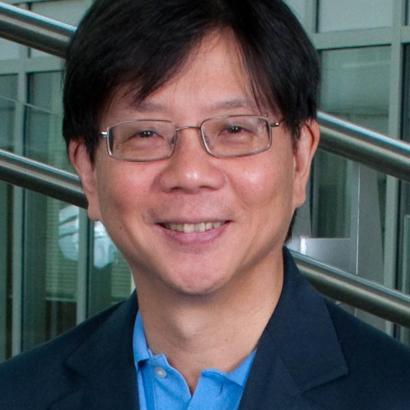
Herbert Lin

Research Fellow

Dr. Herb Lin is a research fellow at the Hoover Institution and senior research scholar for cyber policy and security at the Center for International Security and Cooperation, both at Stanford University.  His research interests relate broadly to policy-related dimensions of cybersecurity and cyberspace, and he is particularly interested in the use of offensive operations in cyberspace as instruments of national policy and in the security dimensions of information warfare and influence operations on national security.  In addition to his positions at Stanford University, he is Chief Scientist, Emeritus for the Computer Science and Telecommunications Board, National Research Council (NRC) of the National Academies, where he served from 1990 through 2014 as study director of major projects on public policy and information technology, and Adjunct Senior Research Scholar and Senior Fellow in Cybersecurity (not in residence) at the Saltzman Institute for War and Peace Studies in the School for International and Public Affairs at Columbia University; and a member of the Science and Security Board of the Bulletin of Atomic Scientists.  In 2016, he served on President Obama’s Commission on Enhancing National Cybersecurity.  Prior to his NRC service, he was a professional staff member and staff scientist for the House Armed Services Committee (1986-1990), where his portfolio included defense policy and arms control issues. He received his doctorate in physics from MIT.

To read more about Herb Lin's interests, see "An Evolving Research Agenda in Cyber Policy and Security."

Avocationally, he is a longtime folk and swing dancer and a lousy magician. Apart from his work on cyberspace and cybersecurity, he is published in cognitive science, science education, biophysics, and arms control and defense policy. He also consults on K-12 math and science education.

Read Full Bio

Team

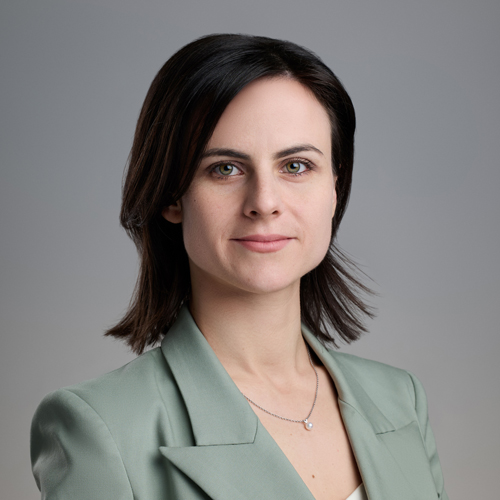
Lisa Einstein
Visiting Fellow
Lisa Einstein
Visiting Fellow
Jay Okey
Facilitator and Tradecraft Consultant
Jay Okey
Facilitator and Tradecraft Consultant
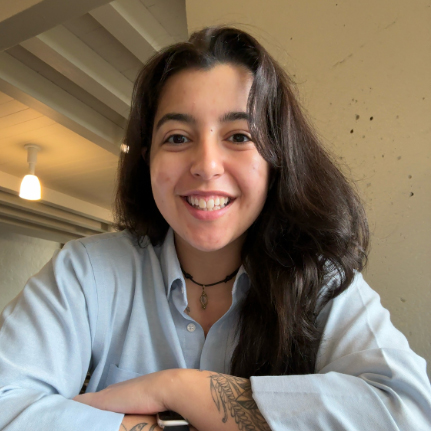
Emerson Johnston
Research Assistant
Emerson Johnston
Research Assistant
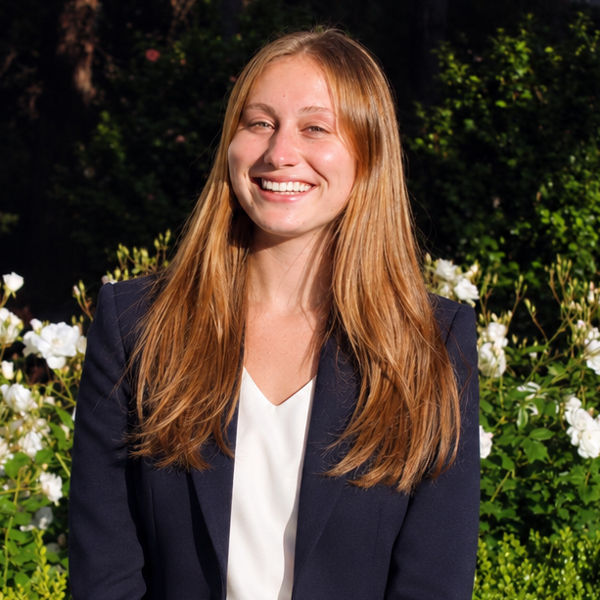
Phoebe Lemon
Research Assistant
Phoebe Lemon
Research Assistant
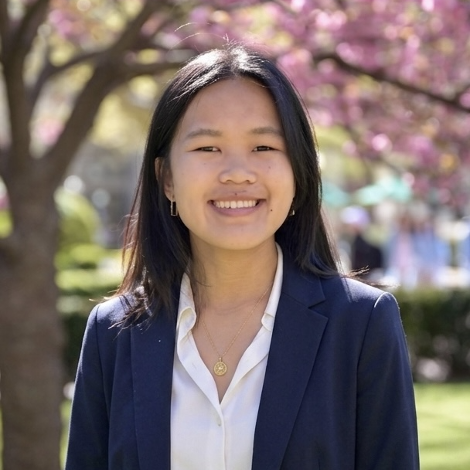
Abby Sim
Research Assistant
Abby Sim
Research Assistant
overlay image