



- Military
- History
- Revitalizing History
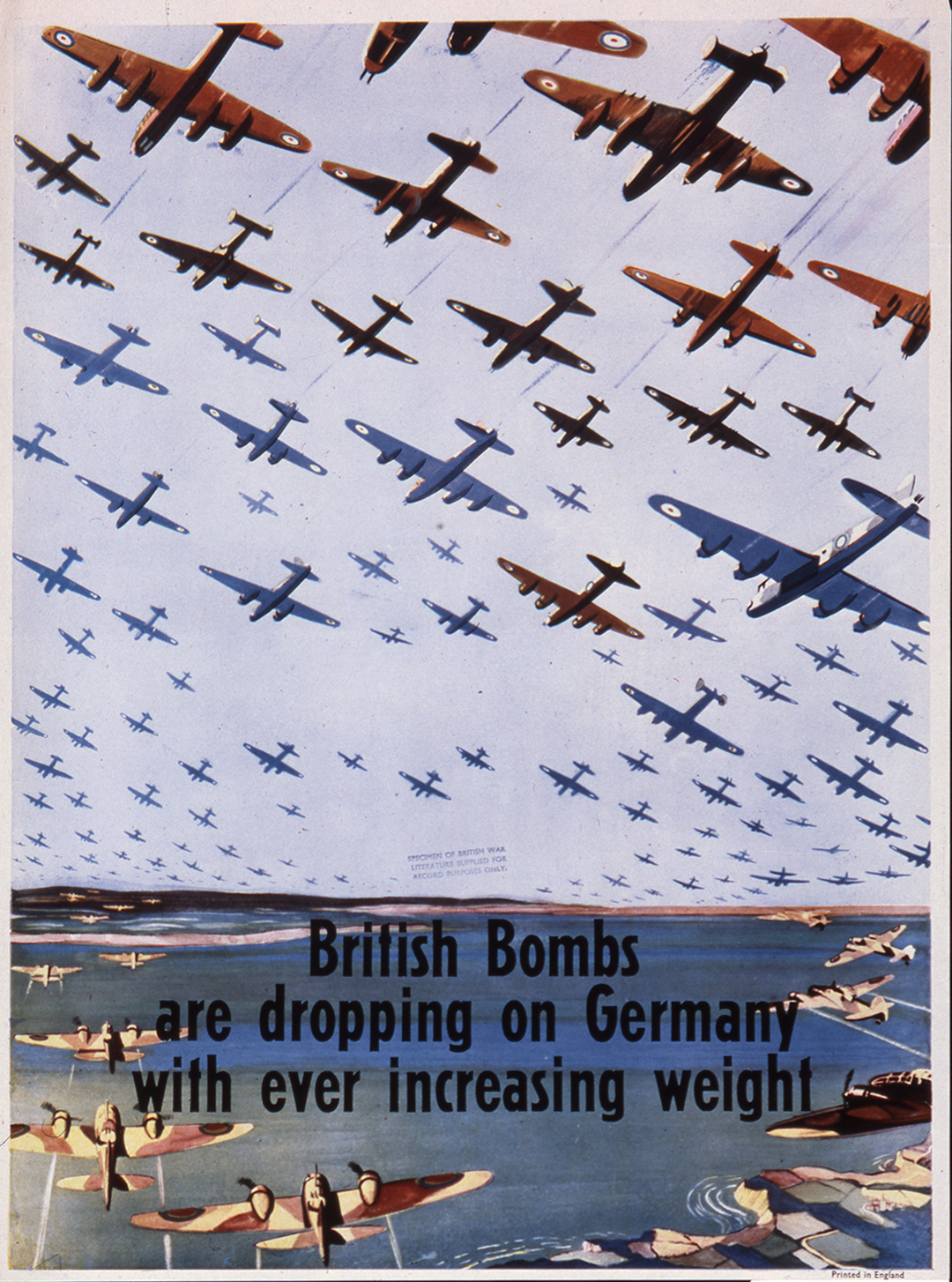
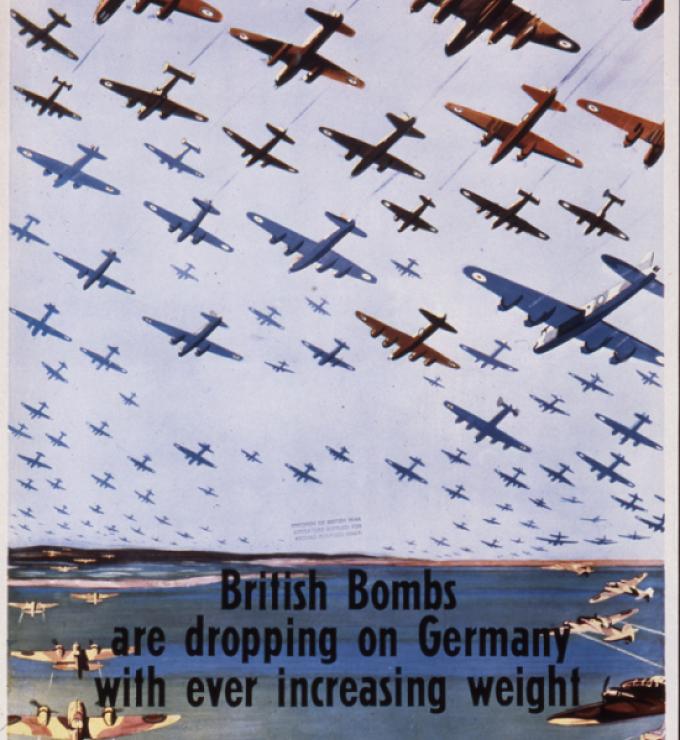
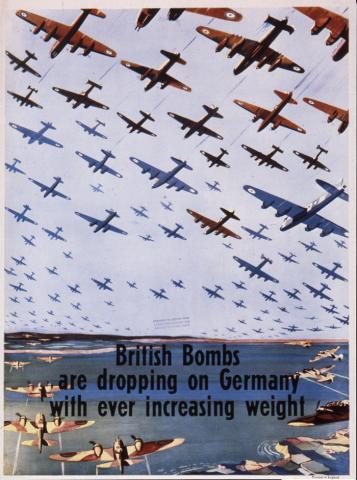
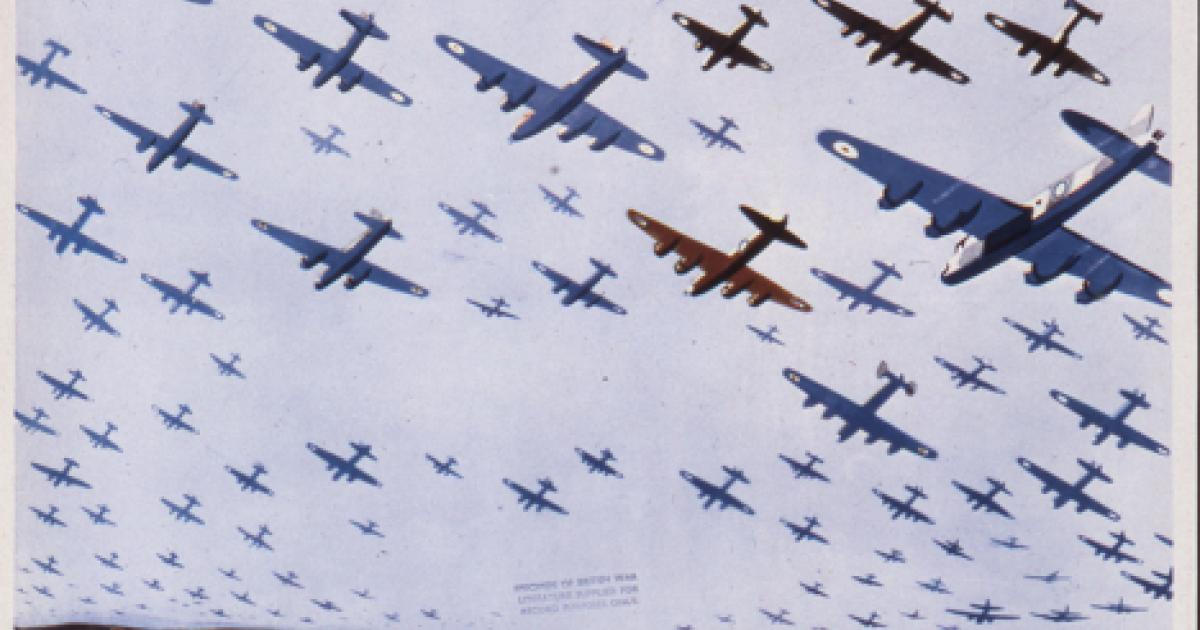
Serious damage to civilian infrastructure did not feature prominently in warfare until the development of the bomb-carrying aircraft following World War I, which enabled adversaries to strike each other’s cities from long distances. During the 1920s and 1930s, leading air power theorists like Giulio Douhet and Billy Mitchell predicted that bombing cities would bring nations to their knees without the need for ground combat. By destroying military installations, civilian infrastructure, industry, and residential areas, bombing would break the will of the entire nation. If the government did not capitulate on its own, the citizenry would rise up and compel the government to end to the war.
The loss of civilian infrastructure plainly reduces a government’s ability to influence its people, whether through persuasion or coercion. The destruction of phone lines and radio stations, or in more recent times cell towers and fiberoptic cables, diminish a regime’s receipt and transmission of information. The destruction of transportation reduces the regime’s ability to send its representatives either to communicate in the absence of other modes of communication, or to coerce citizens to comply with the regime’s orders.
Equally obvious is that loss of infrastructure adversely affects public morale. Private citizens lose a degree of confidence in their government when it is incapable of protecting assets crucial for public and private welfare. The loss of power, water, and transportation degrades living conditions and inhibits the work required to sustain one’s standard of living.
Both Allied and Axis powers put the theories of Douhet and Mitchell to the test during World War II. During the Battle of Britain, the Germans bombed Britain’s civilian infrastructure, but did not cause enough damage to cripple the government, society, or economy. The Germans inflicted extensive damage on numerous Soviet cities, although not Moscow, yet the Soviet government remained capable of waging war and its people remained willing to support the government. Although British and American bombers devastated the civilian infrastructure of Germany and Japan in the war’s final years, the German and Japanese governments refused to yield and faced little civilian pressure to surrender, owing to widespread support for the government and harsh repression of potential resistance movements.
During the Korean War, the United States bombed North Korea’s cities heavily, devastating the civilian infrastructure. The North Korean regime was forced to flee Pyongyang in disarray after the Inchon landing, but it was able to hold together with help from the intervening Chinese and it ruthlessly suppressed internal challenges to its authority.
North Vietnam’s few cities were not subjected to systematic bombing for most of the Vietnam War, owing to the Johnson administration’s reliance on the strategy of gradual escalation. Employing small strikes to convey signals rather than inflict damage to military or civilian targets, this strategy avoided some civilian infrastructure altogether and allowed the North Vietnamese to increase air defenses near infrastructure targets. Although the bombing occasionally caused serious harm to infrastructure and brought the North Vietnamese population near starvation, the Hanoi government faced little internal opposition from a largely docile population and it arrested government officials who expressed interest in suing for peace.
The closest that bombing of civilian infrastructure seems to have come in coercing a regime was the bombing of Serbia in 1999. Air power advocates credited the bombing with convincing Serbian President Slobodan Milosevic to agree to the introduction of international peacekeepers into Kosovo. Air power skeptics, however, argued that Milosevic actually gave in because Russia refused to back him up and because he was fearful of a NATO ground invasion. The real reasons behind Milosevic’s decision were never satisfactorily determined, for Milosevic never explained the decision before his death.
The current bombing of Iran is consistent with previous cases. Destruction of infrastructure has impeded regime operations and promoted opposition to the government, but the regime has not buckled and it has been able to suppress resistance movements. Unless Iran is invaded or bombed with far greater intensity, neither of which appears likely, the government seems destined to survive.
History thus indicates that bombing critical civilian infrastructure weakens the recipient regime and degrades the living conditions of citizens, but seldom produces enough resistance to the regime to topple it. Rarely has it brought nations to the point where starvation or disease begins taking people’s lives and thereby completely destroys the will of the population. Most populations have remained willing to support their governments under deteriorating living conditions. In some instances, such as Nazi Germany and North Vietnam, bombing may have increased the population’s support for their government as the population was convinced in the righteousness of the government’s cause and the perfidy of the enemy’s.