Articles
Tokenization Of Real-World Assets: A Market Taking Shape
Managing the profound change demands harnessing advantages, mitigating risks, and creating careful legislation.
October 21, 2026
Published: April 10, 2018
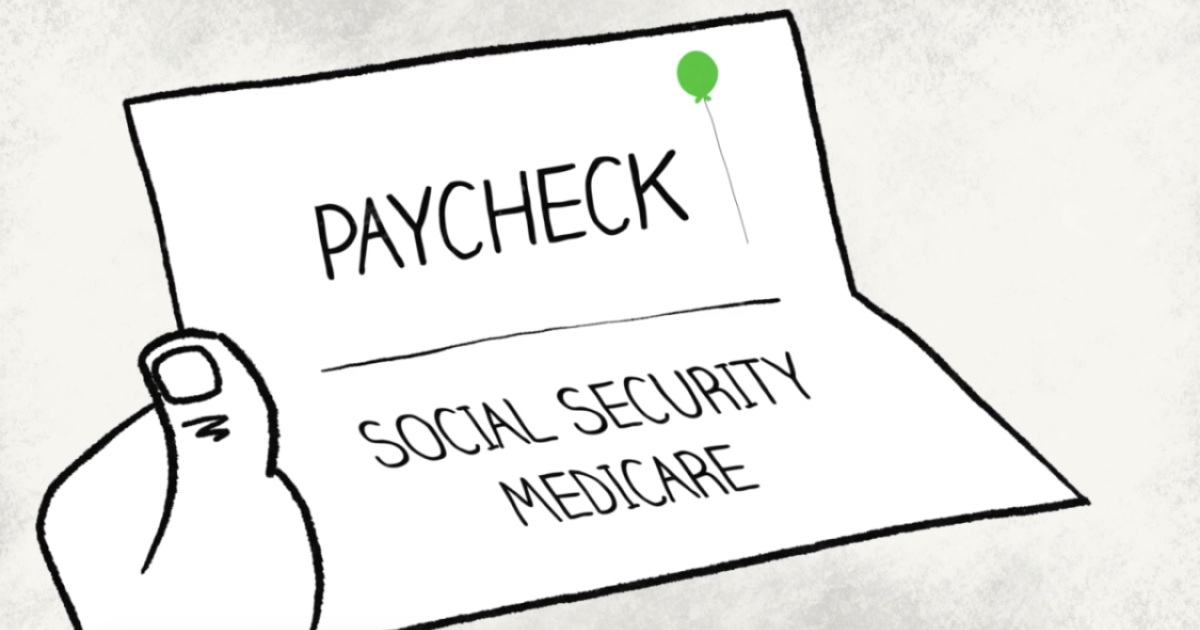
Many people believe Social Security and Medicare are fully funded by payroll taxes. In reality, both programs are increasingly relying on regular tax revenue and ultimately more federal debt to stay afloat. Unless both programs are put on sustainable fiscal path, their ongoing expansion will crowd out all other government spending.
Discussion Questions
Additional resources
Articles
Managing the profound change demands harnessing advantages, mitigating risks, and creating careful legislation.
October 21, 2026
Videos
The Fed, inflation, and the economic case for long-term price stability.
October 20, 2026
Articles
Scott Kirby wants a national wealth tax and inheritance taxes near 100%. Among those who would pay are the investors he ultimately works for.
October 20, 2026