















Videos
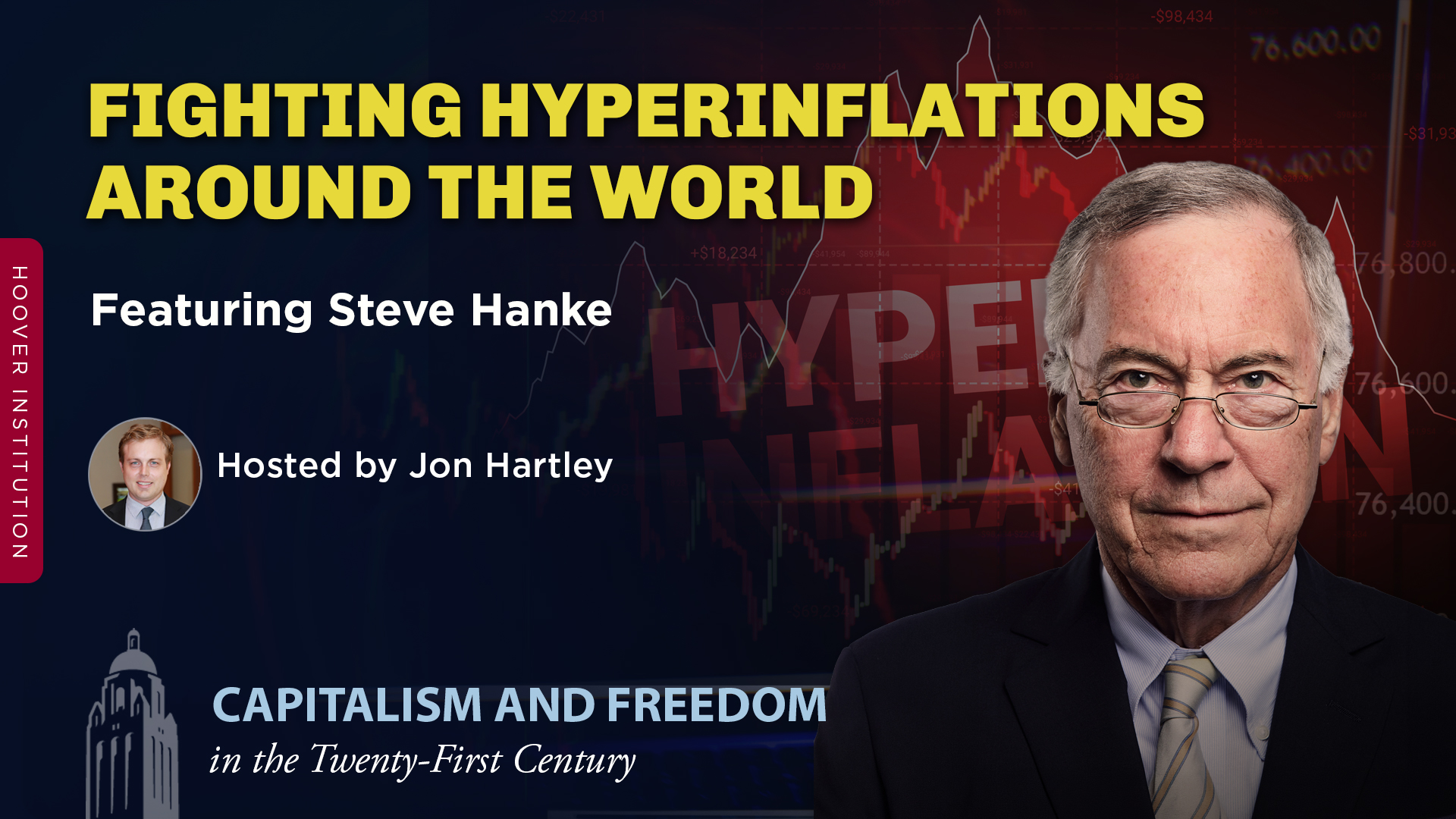
Fighting Hyperinflations Around The World With Steve Hanke
Jon Hartley and Steve Hanke discuss currency boards, dollarization, and fighting inflation around the world.
September 17, 2026
Published: May 1, 2017
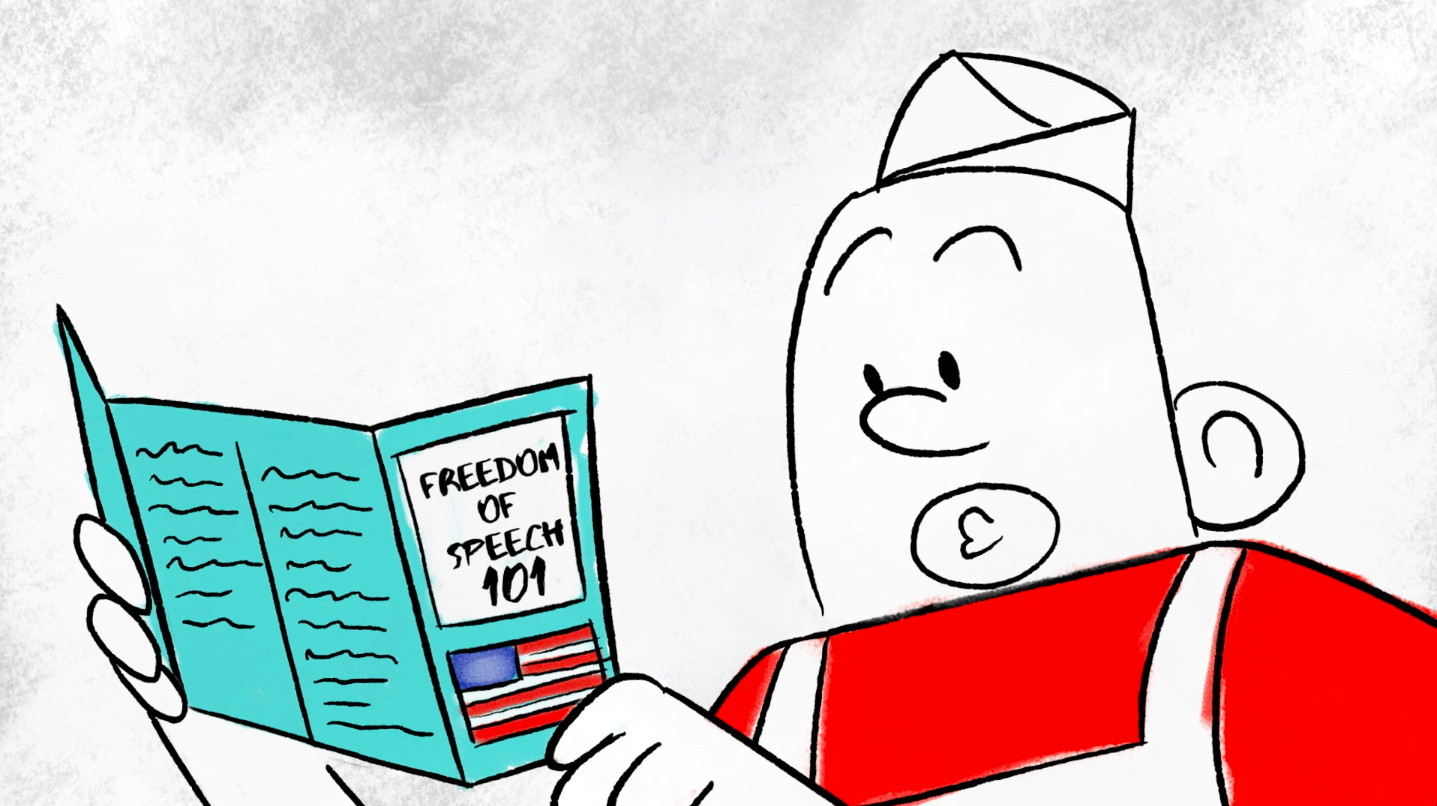
The First Amendment allows us to speak our mind and stand up for what we believe in. However, the limits on free speech are rooted in the principle that we’re not allowed to harm others to get what we want. That’s why we’re not allowed to use to speech for force, fraud, or defamation.
Discussion Questions
The First Amendment guarantees freedom of speech. But does that mean we're allowed to say anything we want?
Well, not quite.
The limits on free speech come from the basic principle that you're not allowed to harm others to get what you want.
You can win in the marketplace, with better goods and lower prices, and even put your competition out of business, but you're not allowed to use
speech to threaten to hurt someone, either verbally or nonverbally.
And you're not allowed to deceive people to get what you want – that's called fraud. You'd be harming them because they're relying on false information.
Free speech means you can:
Proclaim your beliefs and passions,
argue your opinions,
and speak out against what you consider to be injustices.
As long as you don't defame or abuse people, OR advocate the immediate use of force
OR intentionally misrepresent the truth to people... or to those who they might deal with,
You have the freedom to share whatever is on your mind.
Videos
Jon Hartley and Steve Hanke discuss currency boards, dollarization, and fighting inflation around the world.
September 17, 2026
Videos
Can revealing a plot twist get you sued? Inspired by the controversy surrounding HBO’s Lanterns, Eugene Volokh and Jane Bambauer explore the tension between copyright protection and free speech.
September 15, 2026 • 0 Min Watch
Articles
It is comforting to suppose that the resentment and anger we provoke arise from misunderstandings on the part of others.
September 14, 2026