GOVERNMENTAL INSTITUTIONS
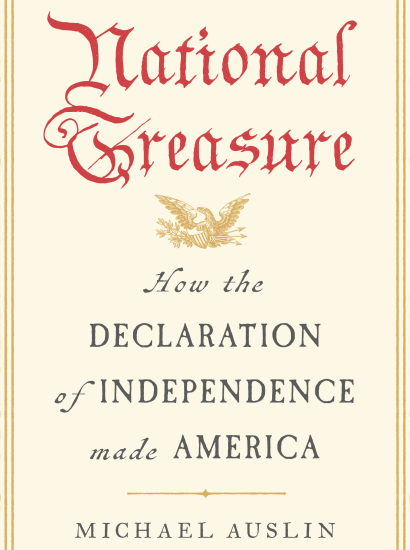
Fundamental to any democratic system are the formal governmental bodies that represent and serve the citizenry. At the national level, these bodies span elected offices, such as the presidency and Congress, in addition to unelected institutions including the judiciary, military, and executive agencies. Moreover, the nature of federalism in the United States makes state and local governmental institutions important partners across a range of policy areas and for some, the primary actors. The Constitution delineates how powers should be shared across governmental branches and levels, but in practice, across US history the balance as well as scope of powers have evolved.
Learn More

ORGANIZATIONS AND DEMOCRATIC PRACTICE
Successful democracies depend not only on governmental units, but also nongovernmental organizations and practices that enable citizens to organize, that allow political opposition to form and challenge incumbent governments, and that foster innovation and societal well-being. Modern authoritarian systems commonly have official elections, but these elections can occur in worlds in which electoral opposition is suppressed, the media is censored, and dissidents punished. An important component of the theme of organizations and democratic practice will be to support work that relates directly to the health of elections, including on election administration, the media, and free speech. Additionally, this theme will encompass organizations that provide alternatives to the state for information and innovation, such as universities and corporations, in terms of understanding their functioning within the context of a democratic society.
Learn More

DEMOCRATIC CITIZENSHIP
At the heart of representative government is the role of individuals in their relationships with democratic institutions and practices. As such, one component of this theme will be work on public opinion and behavior, including on electoral accountability. Additionally, it will be concerned with the development of individuals’ commitments to constitutional democracy, their understanding of the rights and responsibilities of American citizenship, and preparing individuals for informed, active, and ethical participation in democratic processes. As part of achieving these aims, we will engage in efforts to increase and improve civic education within formal K12 and postsecondary settings.
Learn More