GOVERNMENTAL INSTITUTIONS

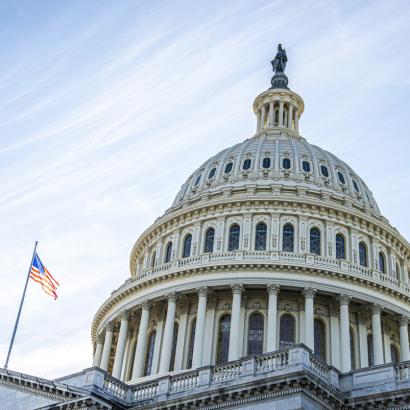
Fundamental to any democratic system are the formal governmental bodies that represent and serve the citizenry. At the national level, these bodies span elected offices, such as the presidency and Congress, in addition to unelected institutions including the judiciary, military, and executive agencies. Moreover, the nature of federalism in the United States makes state and local governmental institutions important partners across a range of policy areas and for some, the primary actors. The Constitution delineates how powers should be shared across governmental branches and levels, but in practice, across US history the balance as well as scope of powers have evolved.

Key questions include: 

  • Why has trust in most US governmental institutions declined over the past decades? And when it has not, what has caused this higher level of public confidence?    
  • How have our governmental institutions developed over time? For example, how has the balance of power evolved among the national branches and the national, state and local levels? How have judges’ constitutional interpretations affected any such changes? And to what extent do they reflect technological versus political pressures?  
  • How are our institutions operating today? To what extent do they represent the preferences of constituents? How well do they protect civil liberties, foster prosperity, and serve the interests of future generations of Americans? 
  • Which reforms might improve the effectiveness of our governmental institutions and public trust in them?
Projects
.
america

Legitimacy of Administrative Law

.
america

Public Pensions: Past, Present, and Future

.
america

Executive Power

Featured Research and Reports
Featured Commentary

Stay Up To Date

Subscribe to receive emails from the Center for Revitalizing American Institutions.

overlay image