







People, Politics, and Places Fellowship
About
America has grown increasingly fractured along geographic and political lines, yet opportunities to bridge these divides remain limited. While Stanford makes meaningful efforts to foster civil discourse on campus, its coursework, research, and student body do not fully reflect the breadth of perspectives and lived experiences across the United States.
The Center for Revitalizing American Institutions (RAI) seeks to expand exposure to, and engagement with, rural life through a year-long People, Politics, and Places fellowship. The Fellowship invites students to engage deeply with rural communities and to explore and confront the growing separation between urban and rural America.
Click here to submit your application. The application window for the 2026-27 cohort will close on November 30, 2026. For further questions, please email thomas.schnaubelt@stanford.edu.
Student Benefits
Fellows join a cohort-based environment and develop an individual research practica or community engagement project with guidance from a faculty or staff mentor. They also receive priority consideration for summer placements with partner organizations and present their work at a capstone event for the Stanford community.
The overarching goals of the fellowship are to:
- Developed an understanding of domestic rural life and American institutions in a rural context
- Strengthen a capacity for engaging constructively when encountering differences among people, politics, and places
- Further Stanford’s exposure to and engagement with domestic rural communities.
Each fellow will develop a project and budget proposal (up to $8,000 dollars) to fund their research practica or community engagement project and summer internship.
Program Components
Winter/Spring Quarter
- Monthly workshop to discuss articles and research related to domestic rural life (e.g., education, health, environment, culture, economics, etc.).
- Design an individual project plan (a research practica or community engagement project).
Summer
- Will have the opportunity to participate in funded internships with partners in Alaska, California, Montana, and Wisconsin.
- Execute a research practica or community engagement project developed during the winter/spring quarter.
Fall Quarter
- Work collaboratively with the fellowship cohort to organize a public event to share insights with the Stanford community.
- Participate in a program evaluation and provide feedback to improve the fellowship program for future cohorts.
- Participate in outreach activities to share the experience and help publicize the program.
Eligibility & Qualifications
Requirements
- Enrolled and in residence at Stanford during winter and spring quarters in which the fellowship begins, and planning to be on Stanford campus through the following fall quarter.
- In good academic standing and not on suspension.
- Undergraduate, co-terminal students, and graduate students from any discipline are eligible to apply as long as they will be in residences at the Palo Alto campus during their tenure as a 3PF fellow.
Desired Skills and Dispositions
- Openness to Learning: Demonstrates curiosity and a genuine desire to learn from experiences in rural communities.
- Civic Engagement: Willingness to engage thoughtfully and constructively with significant—and sometimes historically contested—questions of civic life.
- Respect and Humility: Commitment to treating others with respect, embodying cultural humility, and practicing active listening, especially in unfamiliar settings.
- Analytical and Problem-Solving Skills: Ability to analyze complex issues and develop practical, thoughtful solutions.
- Communication Skills: Strong written and verbal communication abilities.
- Self-Motivation: Demonstrates initiative, persistence, and the ability to work independently without constant supervision.
Selection Process
Due Date: Submit this application form by November 30, 2026 @11:59 PM
Finalists will be interviewed in mid-January, with decisions expected by the end of the month. Candidates will be selected through screening by the RAI team and partners. This process will evaluate applicants based on their demonstrated interest or involvement in understanding rural institutions and civic life, as well as the strength of alignment between their academic, personal, and career goals and the mission of the fellowship.
For any additional questions related to the fellowship, please email thomas.schnaubelt@stanford.edu.
To learn more about the fellowship experience, including student projects and summer placements, explore profiles from current and past cohorts.
Summer Partners and Activities
Tidelines Institute (Inian Islands/Gustavus, Alaska)
Involves all aspects of running a remote coastal field school dedicated to experiential education, ecological research, and environmental leadership. This includes helping to run field-based courses, developing a scientific research program, website design, on-site infrastructure development, media and outreach, splitting firewood, helping cook meals for the Tidelines community, garden work, and much more. Well-suited for those interested in the intersection of environmental studies, education, and climate action. Fellows are primarily based at the Inian Islands Campus, on an island in the Alaskan wilderness.
Thoreau College (Viroqua, Wisconsin)
Fellows participate in the month-long Driftless Field School, which offers a unique immersion into the ecology, history, culture, and agriculture of southwestern Wisconsin’s Driftless Bioregion. Fellows engage with the local community through regenerative farming and gardening, the Viroqua Shakespeare Festival, and the Driftless Folk School Community Celebration. Fellows also interact with local farmers, elected officials, and various community leaders.
TomKat Ranch Education Foundation (Pescadero, California)
Offers hands-on experience in regenerative ranching, grass-fed beef sales and advocacy, scientific monitoring, and holistic land management. Interns work at the forefront of food systems transformation and land stewardship, and contribute to specific projects such as the Community Food Hub, Livable Pescadero (local community members working on housing, water, infrastructure solutions), and Community Grazing Solutions.
University of Montana (Missoula, Montana)
The first two weeks of the fellowship will take place at the Stanford-University of Montana Summer Civics Institute, a residential civics program for high-school students from rural areas throughout Montana. They will spend the rest of the summer working at one of our many partner institutions in Western Montana, a mountainous stretch of land that runs from Glacier National Park in the north to Yellowstone National Park in the south. Work placements will involve civic engagement and conservation, with a focus on building cross-ideological alliances (for example, between ranchers, hunters, anglers, government agencies, and environmental activists) to conserve and enhance natural resources and the rural way of life.
Past Events and Media
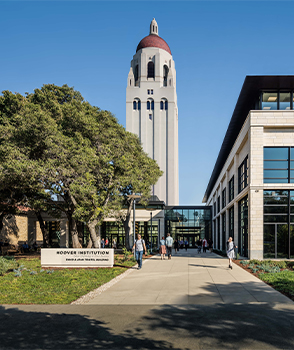
News
People, Politics, and Places fellowship grants students a closer look at rural America
What does a typical summer experience look like for the average college student? For some, it may be working a job or internship. For others, it might include taking summer classes or resting before the next term.

Event
Student Voices: The Urban-Rural Divide And Its Impact On Democracy
The Center for Revitalizing American Institutions (RAI) hosted Student Voices: The Urban-Rural Divide and Its Impact on Democracy on November 4, 2025, from 2:30-3:30 p.m. PT
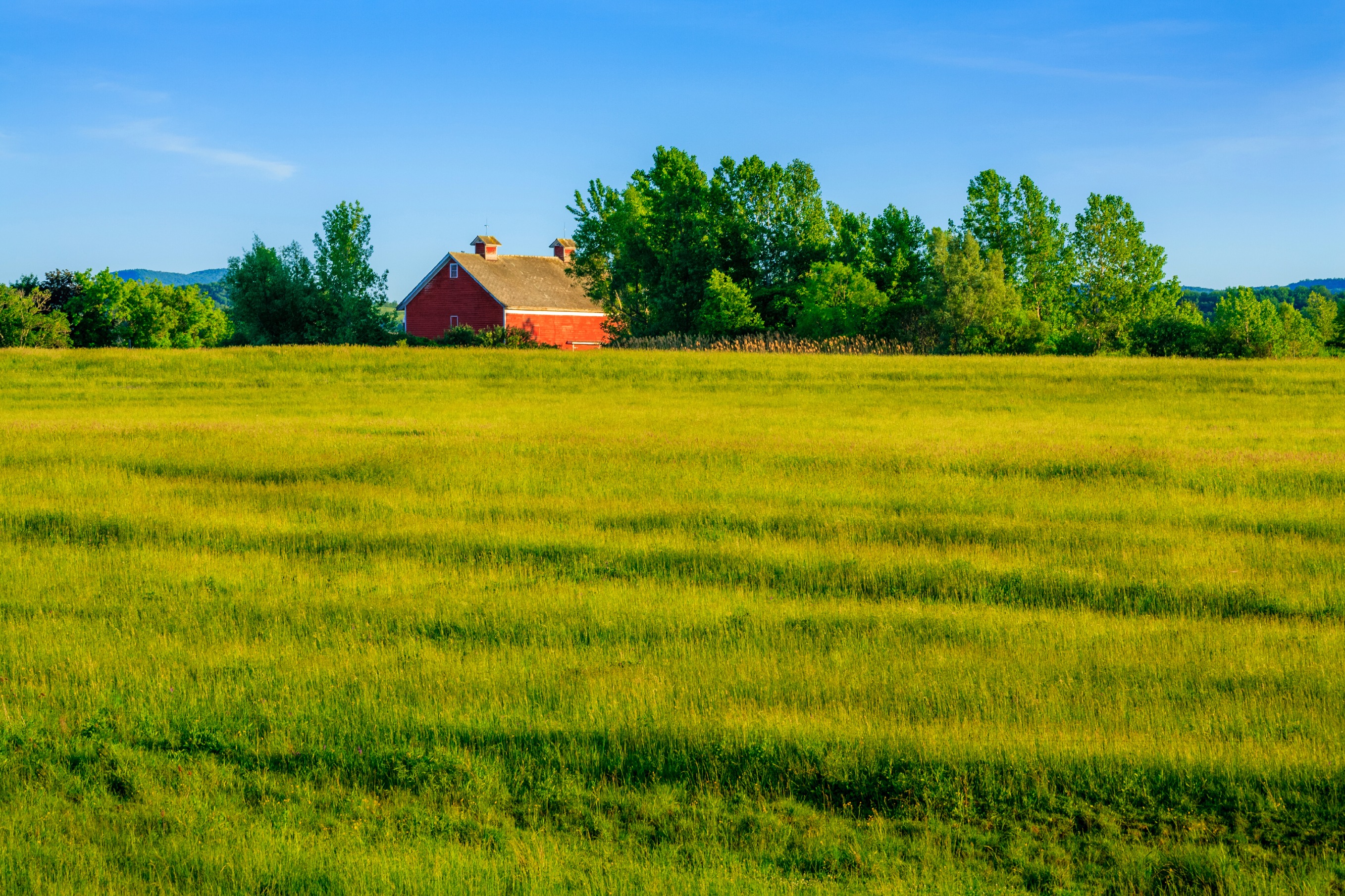
News
New fellowship connects students to the richness of rural life
As the nation becomes increasingly divided between urban and rural communities, a new program fosters a deeper understanding of how geography shapes identity and beliefs.
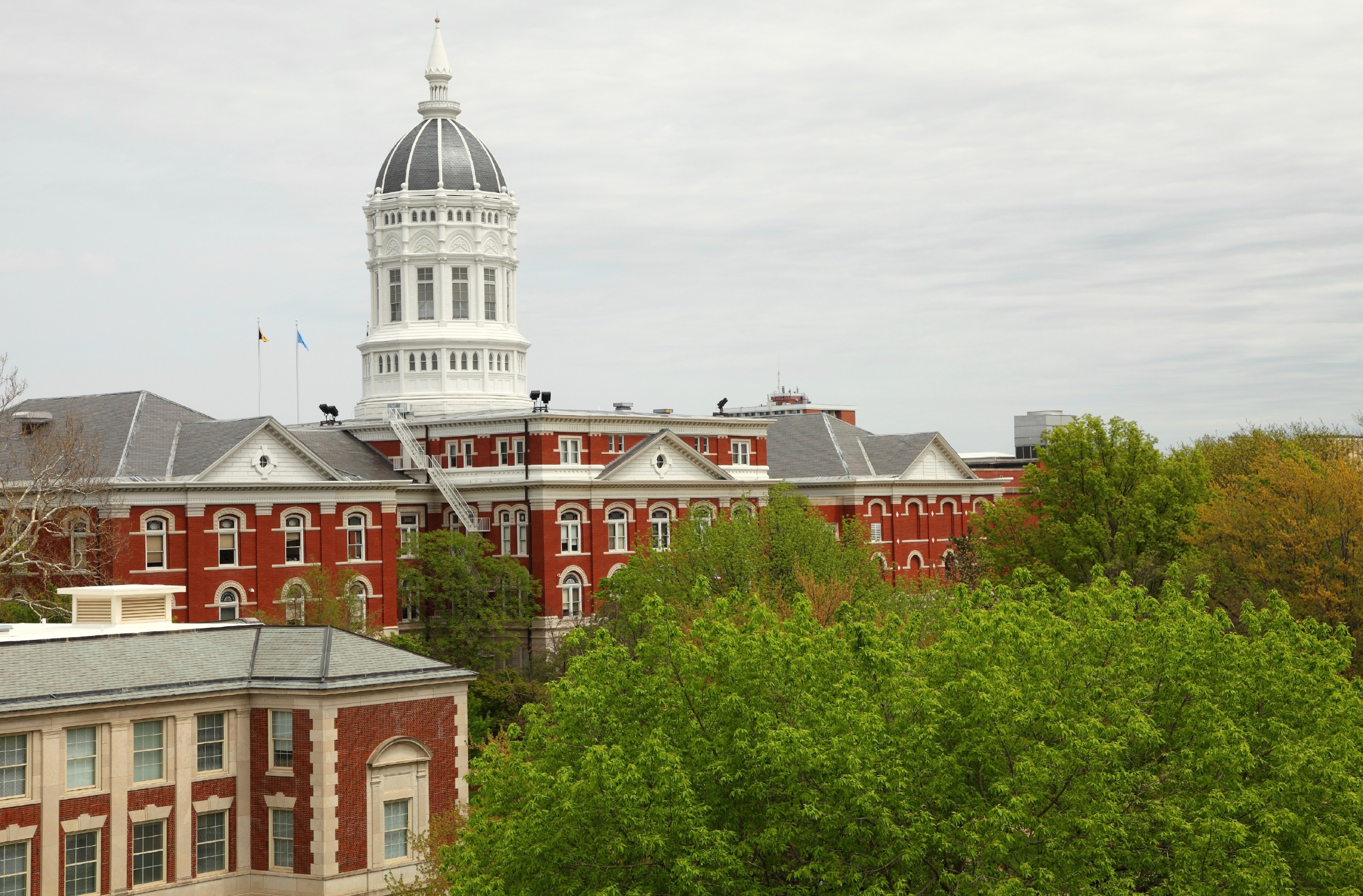
Event
Let’s Find Missouri on the Map: Countering Stereotypes and Cultivating Empathy Across the Urban-Rural Divide
When Stanford’s Thomas Schnaubelt noticed how little contact his students had with rural life, he tried a simple idea: a “rural life” quiz. It sparked curiosity, checked assumptions—and for student Jeannette Wang, it reshaped her path.
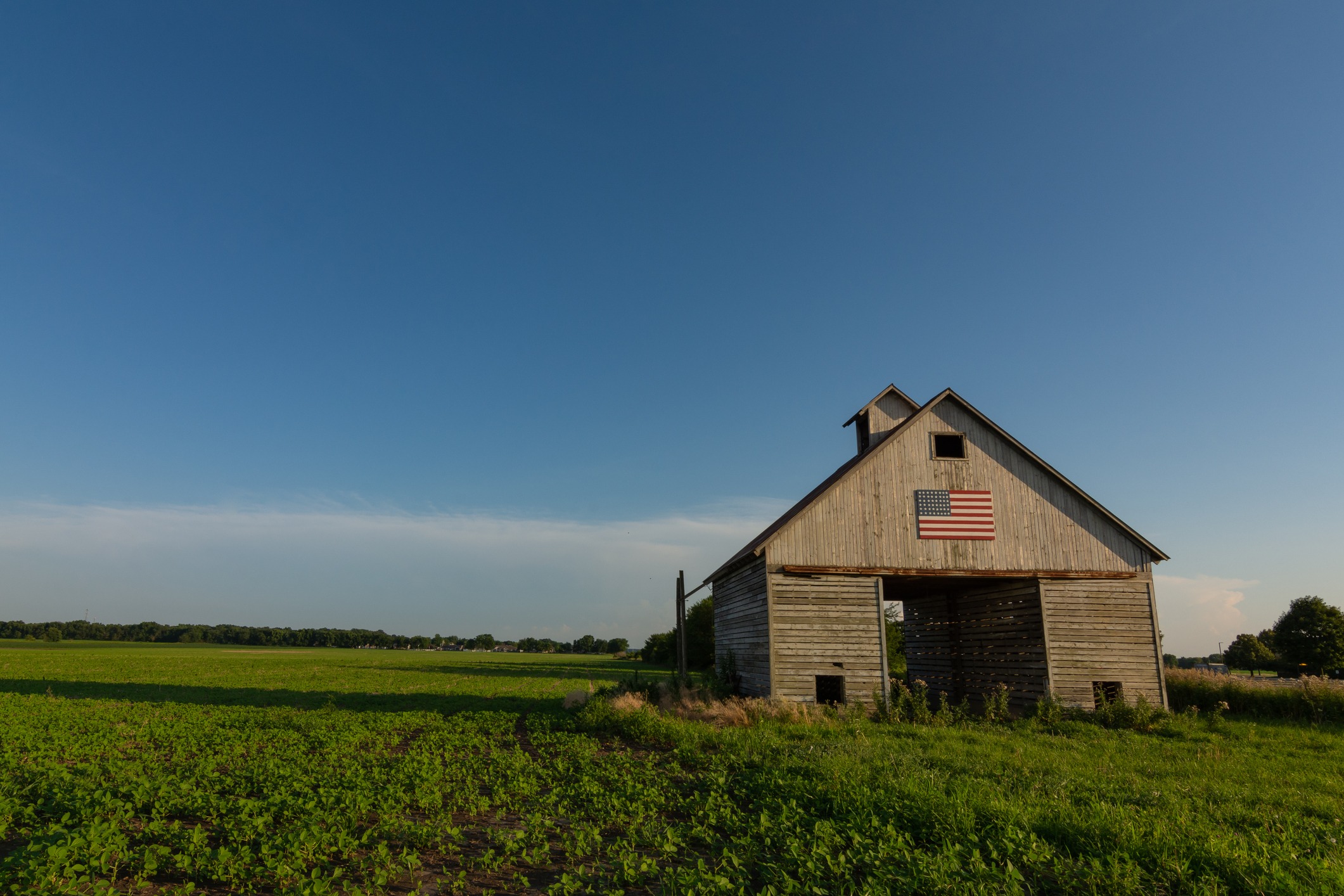
Event
More Than Red Vs. Blue: Stories, Struggles, And Strengths In Rural America
The Center for Revitalizing American Institutions (RAI) hosted More Than Red vs. Blue: Stories, Struggles, and Strengths in Rural America on May 30, 2025, from 1:30-3:00 p.m. PT.
Event
Stanford Rural Panel 2025: Rural Mainstreets
Our panelists come from a variety of backgrounds in small business ownership, community innovation, agriculture, and Indian Country development. Hear from their diverse perspectives and ask our experts your questions related to this year's theme: Rural Mainstreets: Economic and Cultural Revitalization in Small-Town America.
