
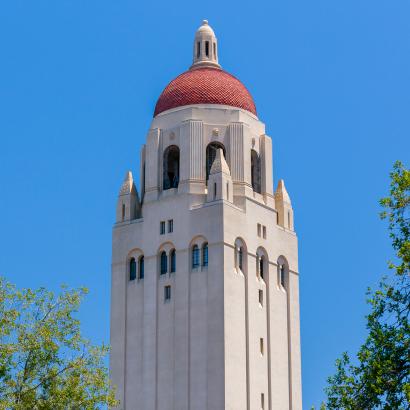
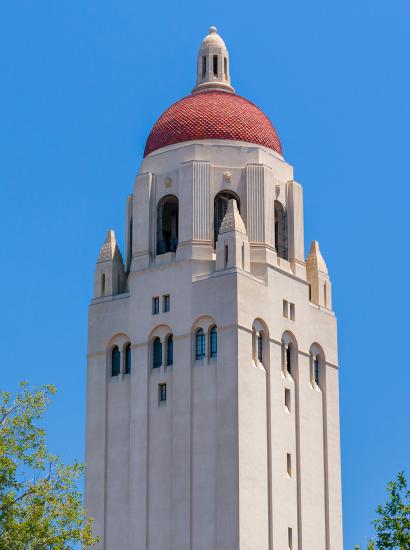
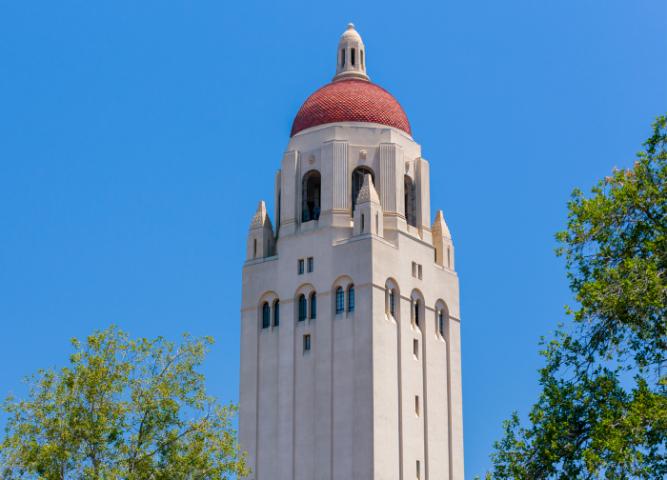
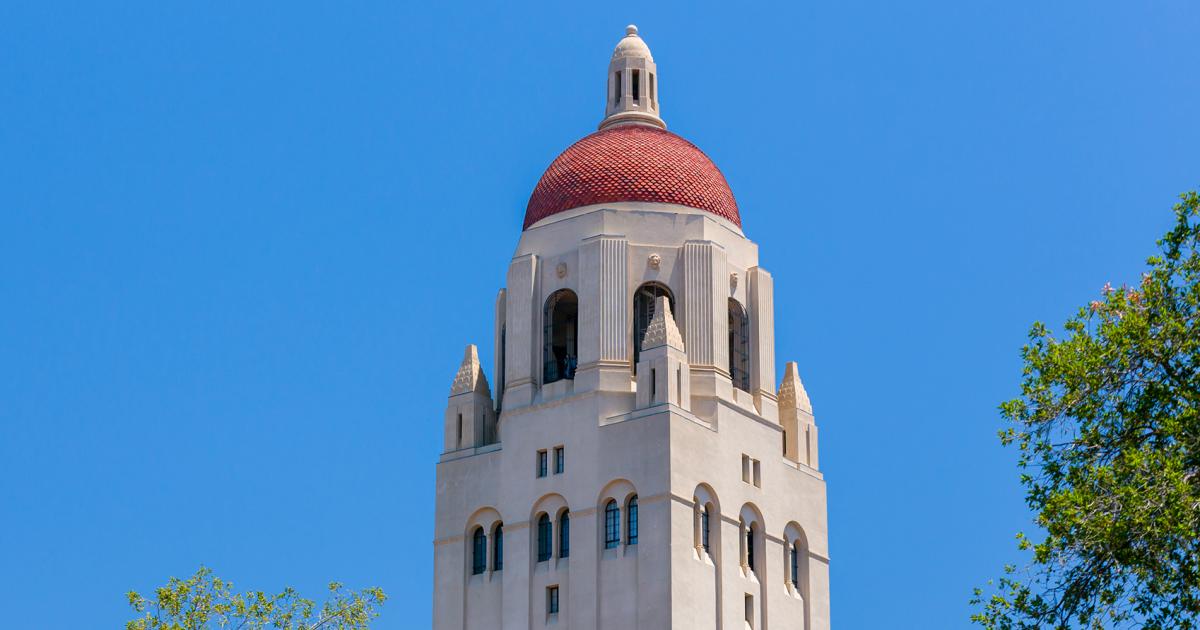
The Hoover Institution, Stanford University— A district court in Oakland, CA, has ruled to uphold the expressed wishes of Li Rui, a former secretary to Mao Zedong, to have his personal archives made publicly available for preservation and study at the Hoover Institution Library & Archives at Stanford University. The Hoover Institution and Stanford University undertook more than five years of legal proceedings and invested significant resources to defend in a U.S. court of law Li’s right to have his collection made available for study by scholars, historians and the public. Witnesses for both sides testified that, if returned to China, the collection and all of its history would at minimum be censored and would most likely be banned.
Director of the Hoover Institution and 66th Secretary of State Condoleezza Rice said, “This decision ensures one of the most valuable firsthand accounts on the history of modern China will be freely available for study.”
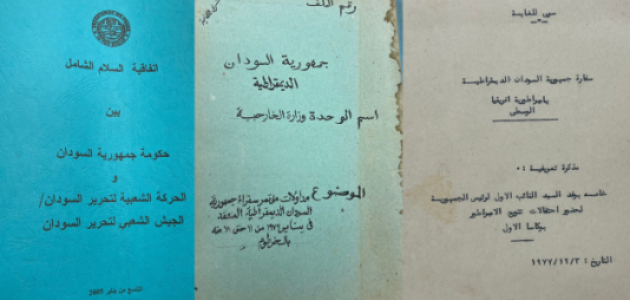
Li entrusted Hoover’s Library & Archives with his life’s work, which included a vision for a more democratic China. As a senior member of the Chinese Communist Party (CCP), Li was a witness to history from inside China’s government, an extremely rare vantage point from which few records currently exist that are available to all for study. His archive includes his diaries, which he kept for eight decades from 1938 to 2019, as well as correspondence, meeting minutes, work notes, poetry, and photographs. Li’s diaries include a first-hand account from his balcony on June 4, 1989, from where he witnessed and recorded his observations of the Tiananmen Square massacre. He also writes of Mao’s role in the Great Leap Forward, during which famine killed more than 35 million people.
“Li Rui’s collection is one of the most important insider accounts of the history of modern China freely available to researchers,” said Eric Wakin, deputy director of the Hoover Institution and Everett and Jane Hauck Director of Library & Archives. “By continuing to provide access to the collection, we honor Li’s wishes, as well as our mission to preserve and provide access to the most important material on war, revolution, and peace in modern times.”
Li became Mao’s personal secretary in 1958 before a falling out led to his imprisonment for eight years. Released in 1979, he rejoined the Party and became executive deputy director of the Organization Department of the CCP Central Committee, responsible for selecting senior CCP officials.
“Li Rui was very clear in his diaries and conversations that he intended for his historic documents to be preserved and maintained by Hoover’s Library and Archives” said Mark Litvack the Pillsbury partner who led Stanford’s trial team in the matter. “We are very pleased with the Court’s decision, that Mr. Li’s wishes will be honored and that these important materials will remain with Hoover and Stanford and accessible to all who are interested.”
Stanford filed a Quiet Title Action in the federal court to establish its rightful ownership of the Li Rui materials. And it then joined with Li Rui’s daughter, Li Nanyang, to defend itself and Ms. Li against a slew of claims brought against them to prohibit Hoover’s possession and use of these materials.
The court concluded, “For the reasons set forth above, the Court declines to enforce the Zhang Judgment [Ms. Zhang's judgment from the Court in Beijing] and finds in favor of Stanford on its quiet title claims. Because Li Nanyang’s possession and donation of the Li Materials was lawful and in accordance with Li Rui’s wishes, the Court finds against Zhang Yuzhen on her claims for conversion, aiding and abetting conversion, and civil conspiracy. In all other respects, the Court finds in favor of Plaintiff and against Counterclaimant. Stanford shall submit a proposed form of judgment, approved by all parties as to form, within 14 days of this order.”
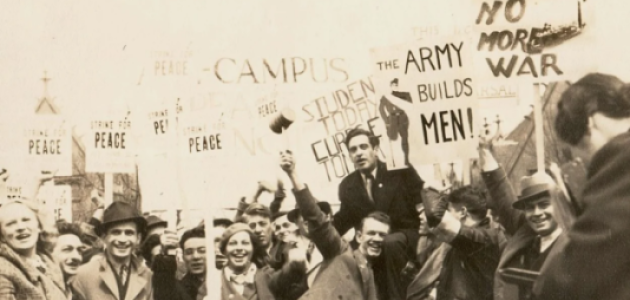
With one of the most extensive collections on modern Chinese history in the United States, the Hoover Institution Library & Archives is committed to collecting, preserving, describing, and making available the most important historical material of the 20th and 21st centuries. Since 1919, the Hoover Library & Archives has become an international center for documentation and research. It serves as a learning organization and a repository of knowledge holding more than one million volumes and over 6,000 archival collections pertaining to war, revolution, and peace.
For coverage opportunities, contact Jeffrey Marschner, 202-760-3187, jmarsch@stanford.edu.