Published May 11, 2021

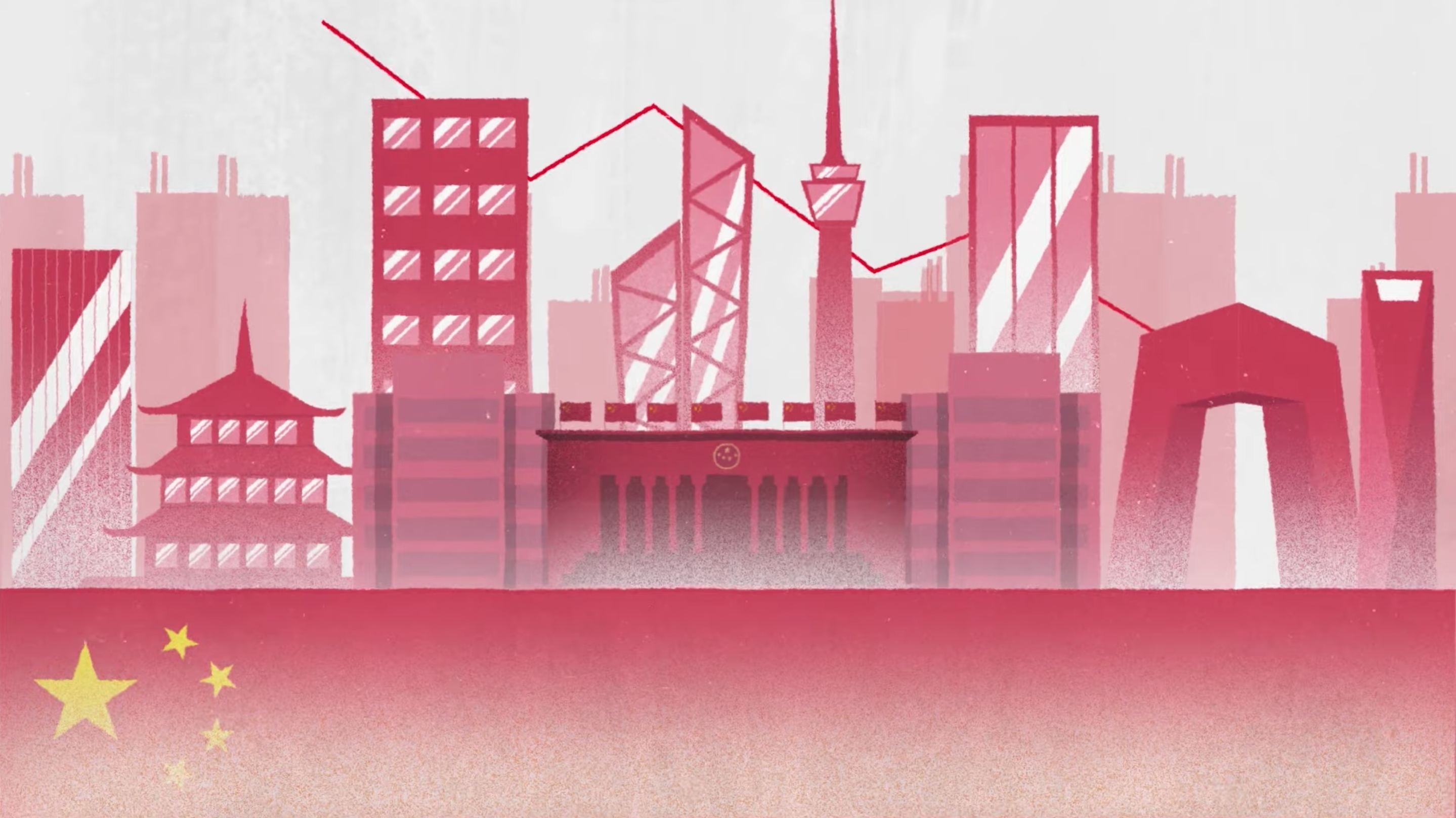
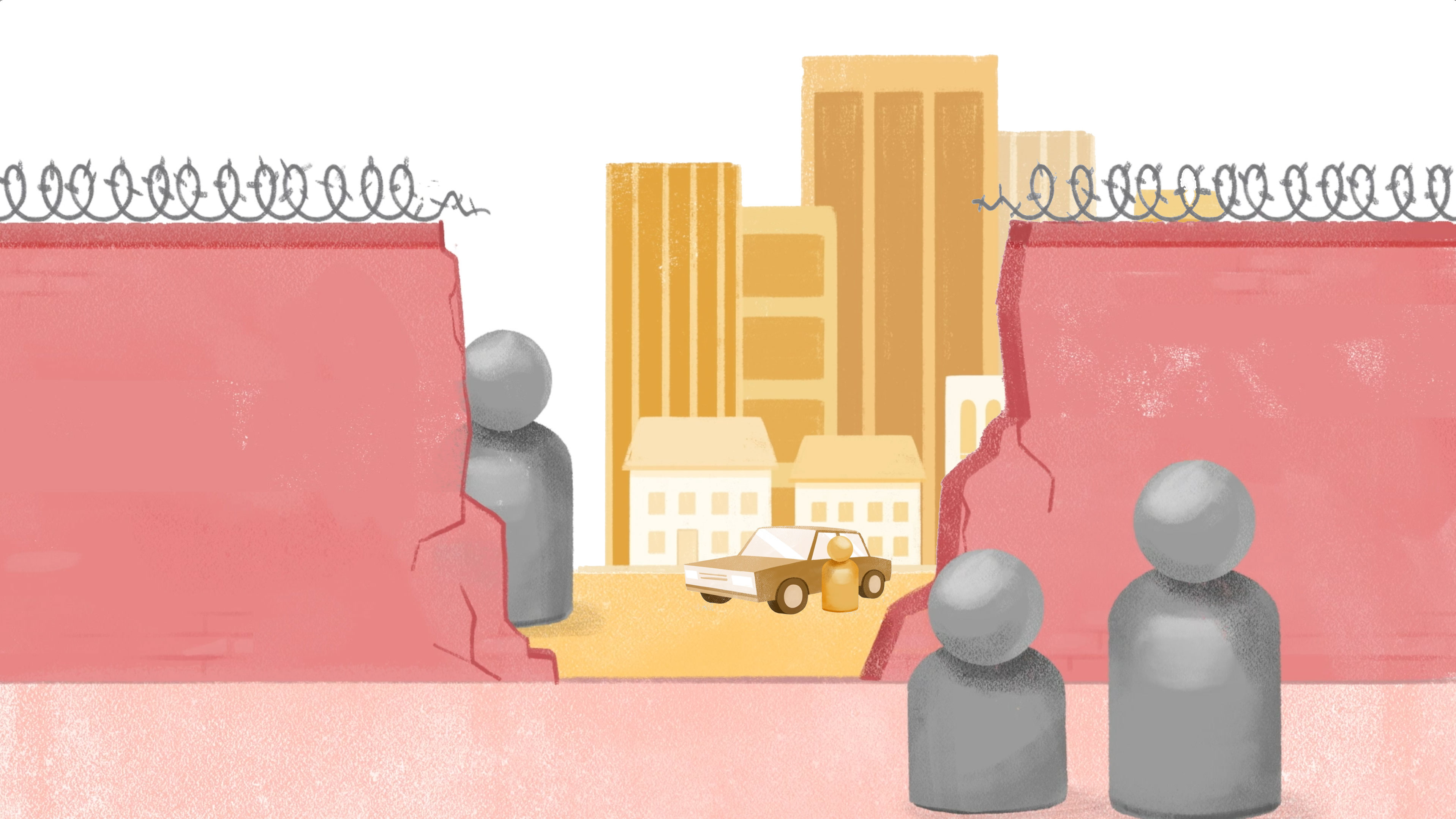
The Chinese model of economic freedom and political repression in the name of control isn’t as successful as many believe. The Chinese Communist Party has embraced markets enough to provide some economic opportunities, but it uses its influence to suppress the political freedoms of its people. The absence of democratic norms and institutions encourages corruption and constrains healthy economic growth. 

Discussion Questions:

  1. How does China try to convince the world that its model of governance is superior to democracy?
  2. Why are political freedoms important to economic growth?

Additional Resources:

  • To learn more, read “The China Model: Unexceptional Exceptionalism,” by Elizabeth Economy. Available here.
  • Listen to “Democracy and Authoritarianism,” with Elizabeth Economy and Larry Diamond. Available here.
  • Read “An Order Aligned with Chinese Values,” by Elizabeth Economy. Available here.

Cast

Elizabeth Economy

Elizabeth Economy

The benefits of market economies are obvious to even the most authoritarian rulers. But they resist any liberalization of civil or political liberties, since that would threaten their ability to hold onto power.

For that reason, authoritarian rulers often look to China as a model for “growth with stability’ – in this case, stability of political leadership.

The China model is often described as a combination of economic freedom and political repression.

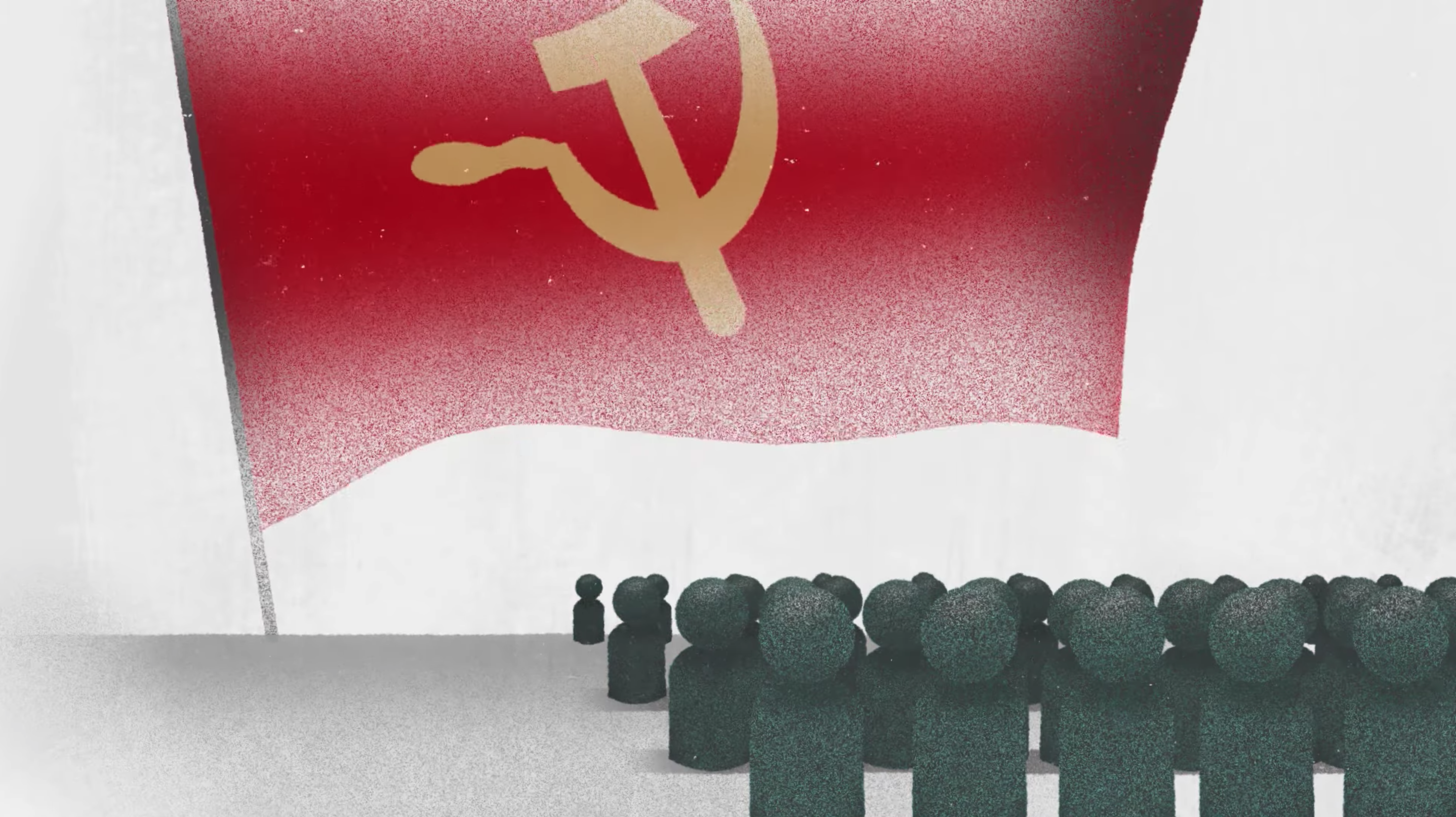
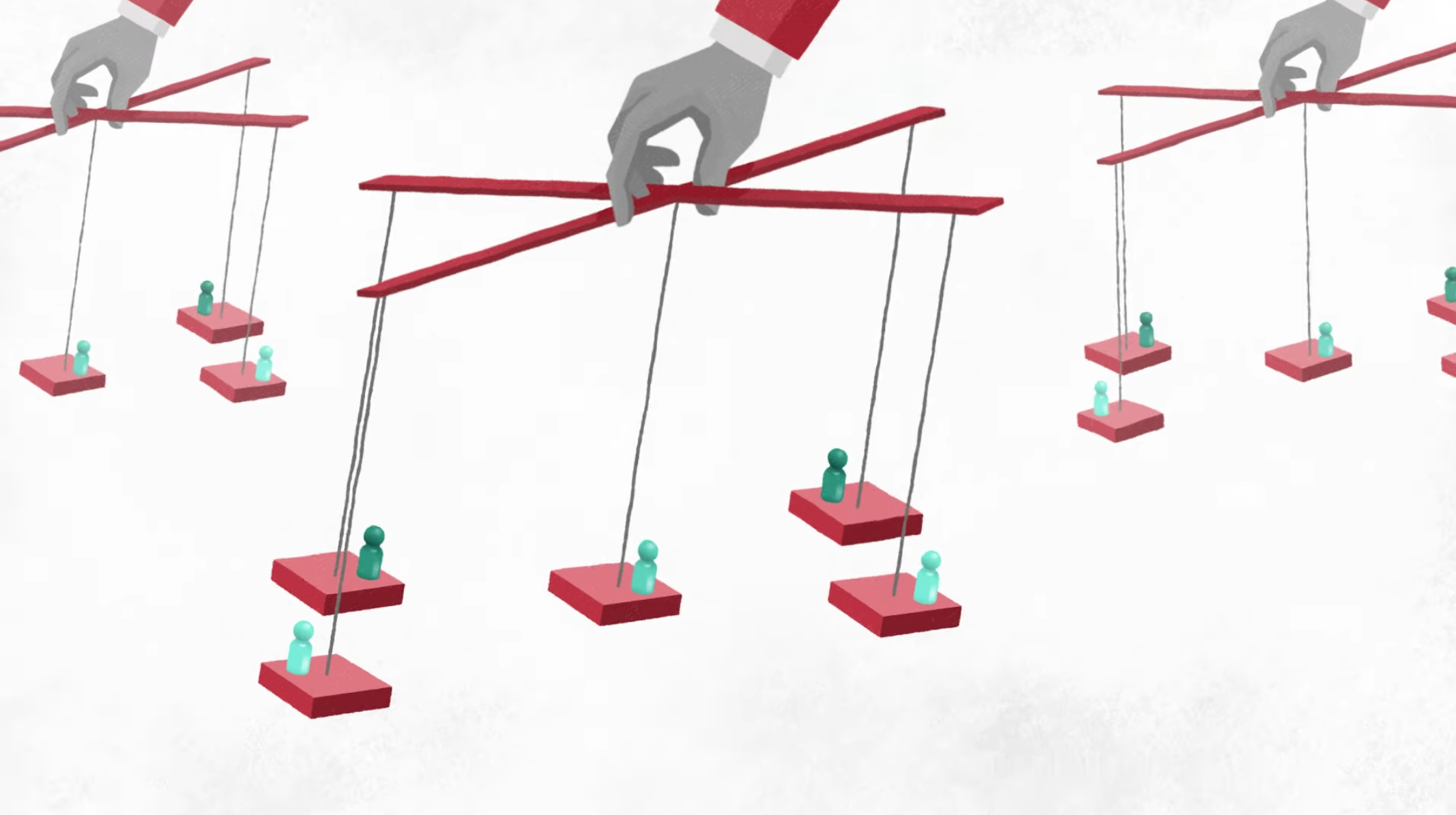
The Chinese Communist Party has maintained its political control in part because it has embraced markets enough to provide economic opportunities for many of its people. But the Chinese Communist Party also uses its influence to control the media, censor internet content, and suppress its competition, preventing its citizens from being able to openly criticize the government and mobilize politically.

Ultimately however, the Chinese economic model isn’t as successful as many believe.  

Measured against other countries that have transitioned from authoritarian to democratic forms of government and whose citizens are just as rich, China does not stand out as providing better social welfare, such as healthcare and education, for its people.

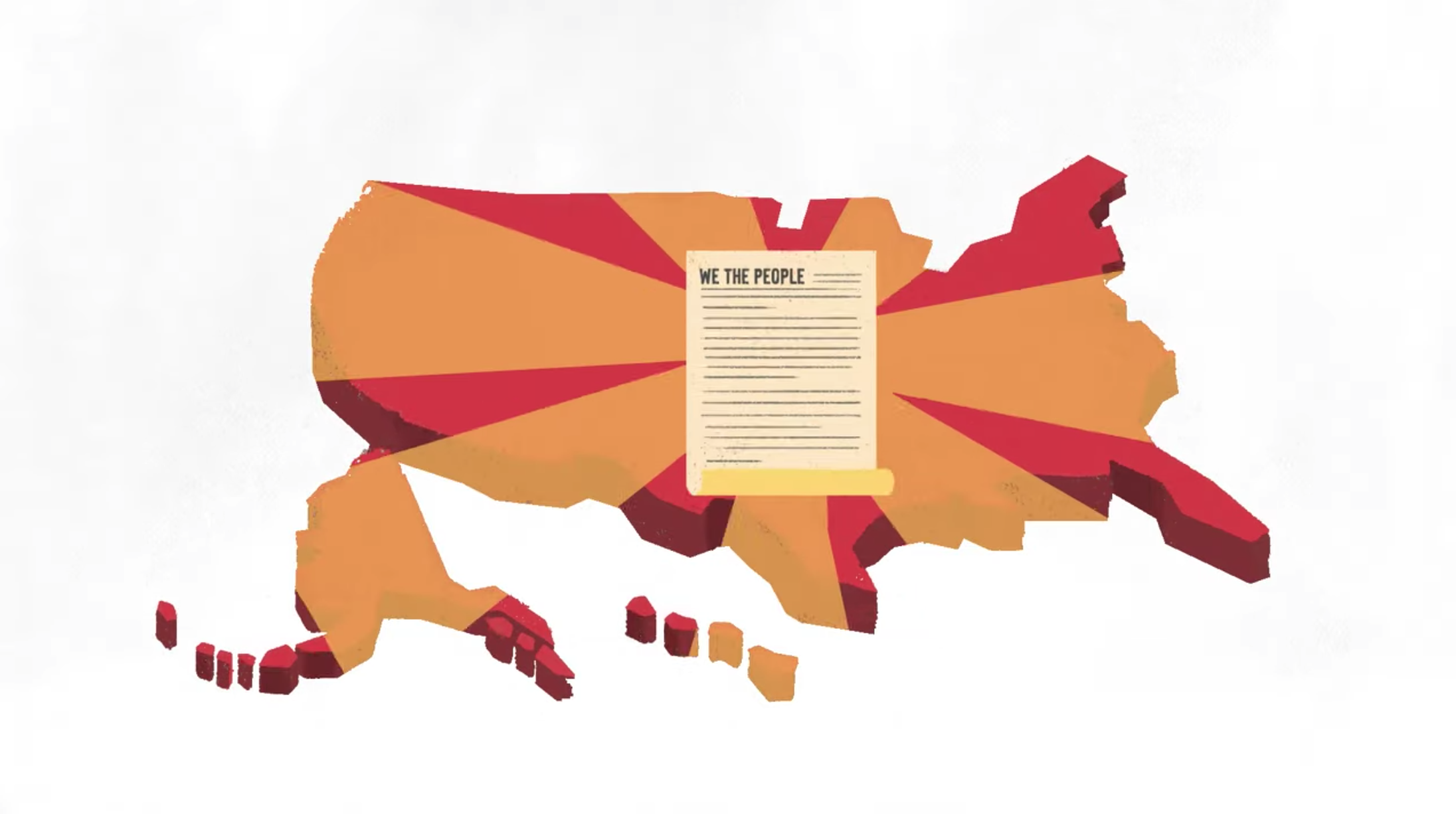
And since the political system is closed, democratic norms and institutions like transparency, independent courts, and enforceable property rights are not assured. That encourages corruption and constrains healthy economic growth.

China’s leadership appears to be committed to its model of authoritarianism mixed with capitalism. But its people deserve both economic and political freedom.


Related

Videos

Professor Sean Westwood Explains How AI Bots Are Faking Human Responses In Online Surveys

Hoover Institution fellow Sean Westwood sounds the alarm after an AI bot he programmed was able to fool online surveys into thinking it was a human respondent. Westwood says or 75 years, the problem with polls was that they sometimes got human opinion wrong. The problem now is that they may not involve humans at all.

September 3, 2026

Articles

The Rich World’s Climate Distraction

The World Bank and other institutions lose their focus on the best ways to help the poor.

September 1, 2026

Videos

The Fiscal Outlook And Housing Affordability

Richmond Fed president and CEO Tom Barkin joins Steve to discuss Kevin Warsh’s keynote speech at the Jackson Hole Economic Policy Symposium.

September 4, 2026