






Articles
Job Loss Fears in the First Years of Generative Artificial Intelligence
Economics Working Paper 26125
August 31, 2026
Published April 23, 2020
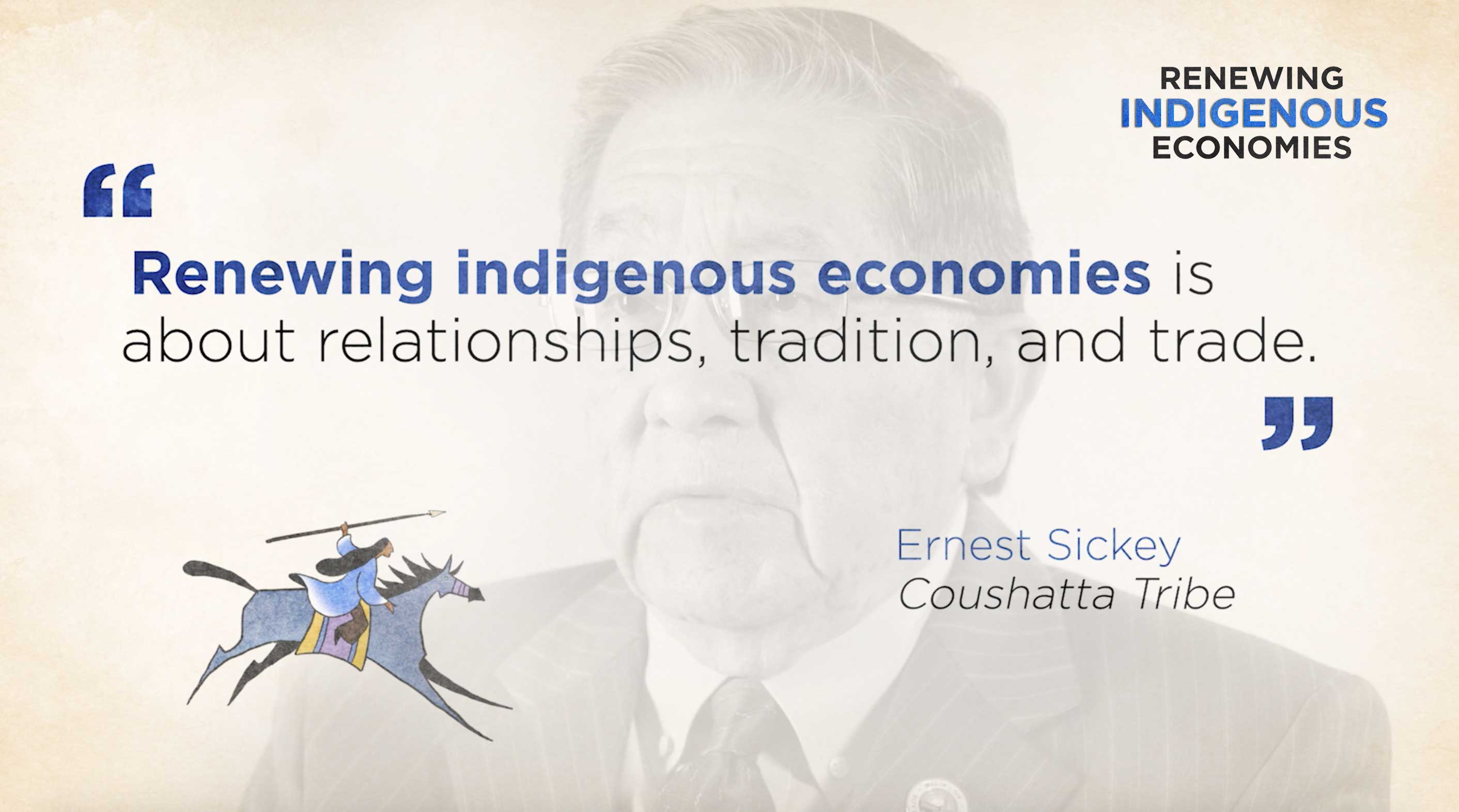
“It is vital to exercise our right to make choices for ourselves and our communities. Renewed indigenous economies provide a foundation to build our freedoms.”
Misty Kuhl, Aaniiih
Director, Native American Outreach, Rocky Mountain College
Misty Kuhl is a member the Fort Belknap Indian Community, a first-generation college graduate, and the director of Native American Outreach at Rocky Mountain College. Passionate about serving Indian Country, Misty spent several years working with tribal communities in New Mexico as a probation officer, then nationally as a director with the Native American Alliance Foundation. She has also served as tribal liaison and field representative for Montana’s at-large congressman. Kuhl is a board member of Montana’s American Indian Council of Education; the Montana governor’s Board of Advisors for Native American Domestic Violence and Review; and ACE Scholarships’ Indian Advisory Board.
Hi, I’m Misty Kuhl. I am an Aaniiih, or “White Clay” member of the Fort Belknap Indian Community, a reservation in an extremely rural area area of Montana, north of the Little Rocky Mountains.
Most people don’t know the difference between a reservation and a tribe. The reservation is the legal land boundary where people from different tribes -- or Native nations -- may have been pushed together.
The Fort Belknap boundary was created by reducing the vast ancestral lands of two different Native nations known as the Gros Ventre and the Assiniboine. To this day we struggle to be acknowledged by the names we chose for ourselves versus those bestowed on us during colonialism. We are Aaniiih and Nakoda. Today, we live together on the Fort Belknap reservation, and our peoples are scattered across a handful of reserves and reservations on both sides of the U.S.-Canadian border.
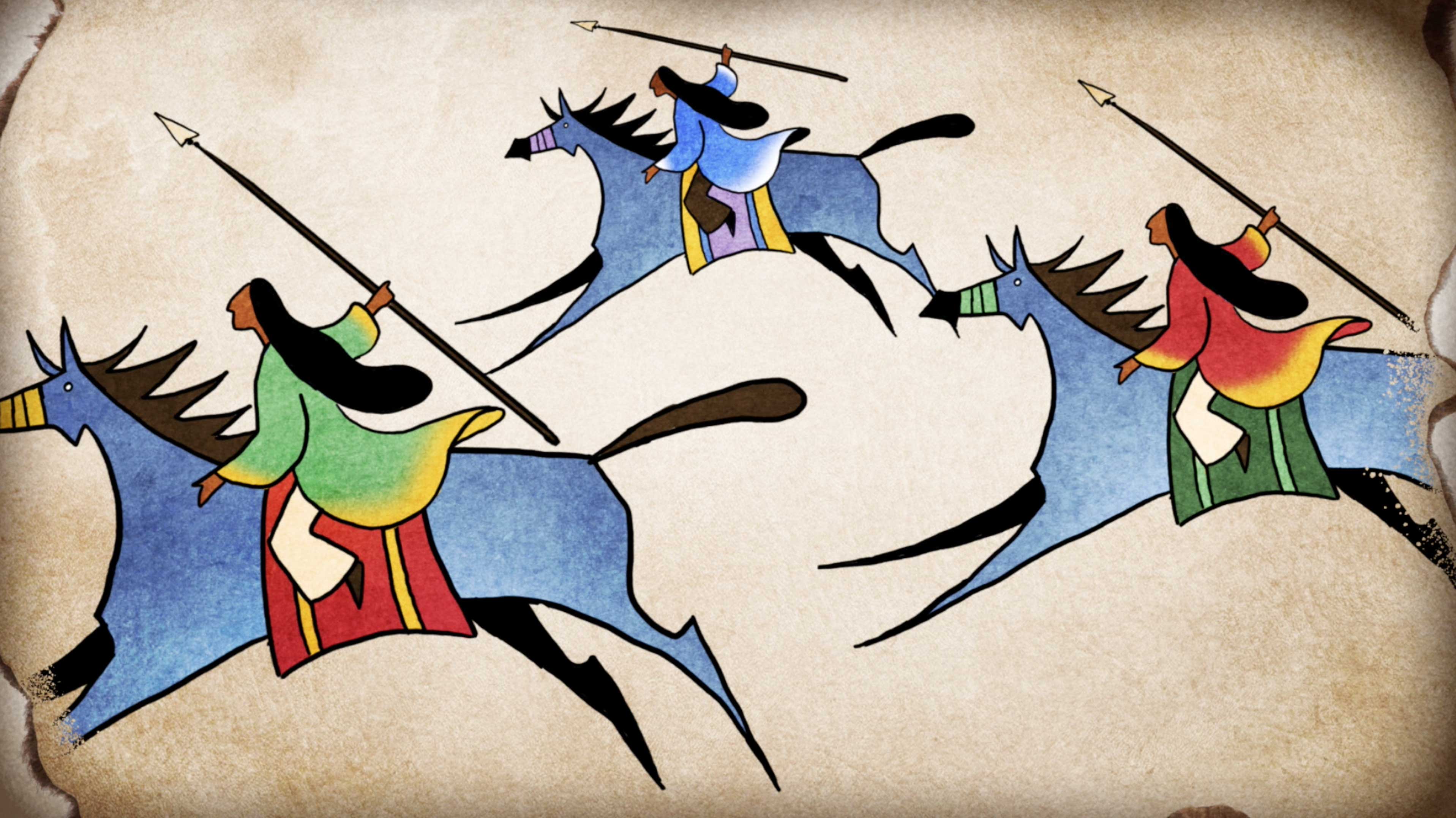
Prior to European contact, and even for many years after, our people survived and thrived and had a vibrant economic trade based on buffalo. We were nomadic hunters and warriors, and skilled crafts and trades people.
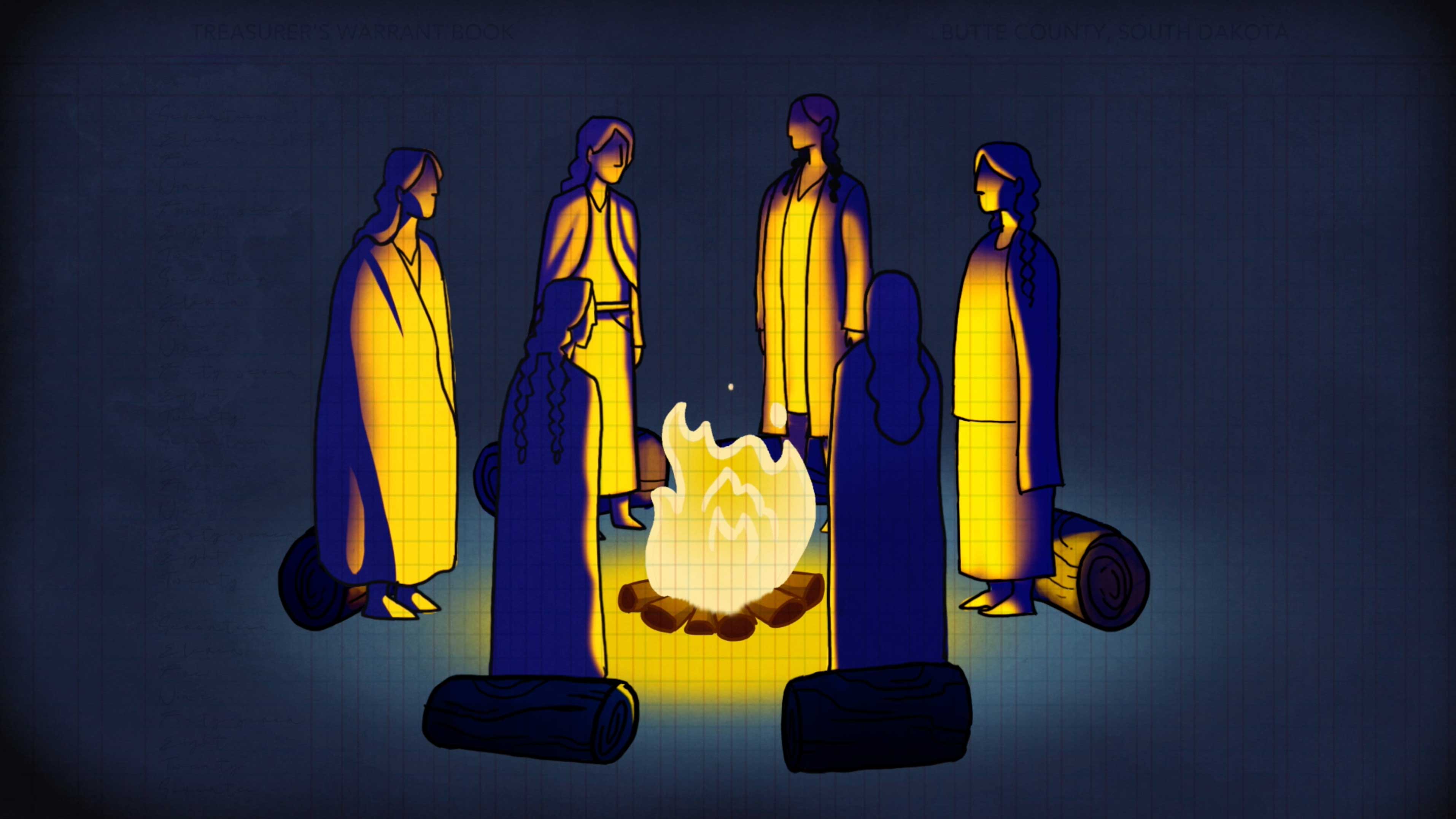
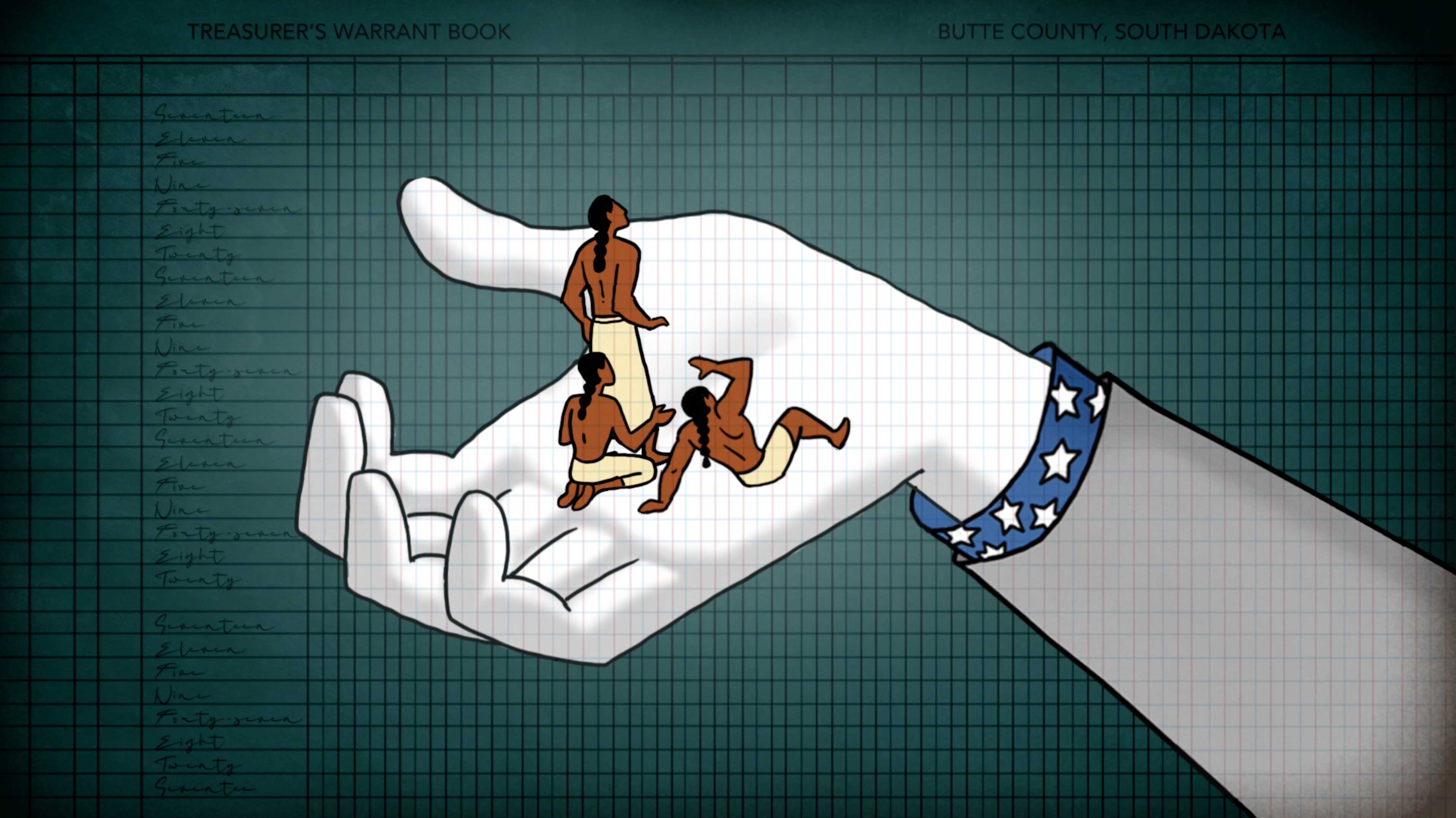
During the era of Manifest Destiny, U.S. policy was to kill the buffalo as a way to contain, remove, and displace Native Americans. This had a devastating effect on the Aaniiih and Nakoda peoples. Gone was the economic and food base of our communities. And as the geographic boundaries of where we could legally travel become more and more constricted, we were manipulated into depending on the Federal Government for survival. This dependence has led to a century of despair, systematic indoctrination, and the suppression of hope.
My reservation, Fort Belknap, remains steeped in poverty and chaos. I was raised in poverty and chaos. Many reservations, like mine, remain dependent on the federal government for everything, including police. And many reservations are plagued with crime, especially crimes against women. The good news is, we are resilient and we continue to fight.
I have worked with tribes across Montana, and with tribes from Alaska, to New Mexico, and Florida. We are working to clarify jurisdiction, so we can fight crime in our communities. We are rebuilding our sovereignty as Native nations. We are fighting for the same individual rights -- the right to own our homes and our land, the right to do business and conduct trade -- that our non-native neighbors enjoy.
I am living proof that a person's past, history, what's been done, what we have done, does not matter if you are willing to achieve what is possible. I believe that is true for individuals and for Indian Nations and that is why I work to help my fellow Natives explore what is possible when we focus on how to build on the past instead of being shamed by it, and believe in what is possible for our futures.
Articles
Economics Working Paper 26125
August 31, 2026
Articles
Economics Working Paper 26120
January 10, 2026
Articles
Economics Working Paper 26121
April 19, 2026