Published September 19, 2023

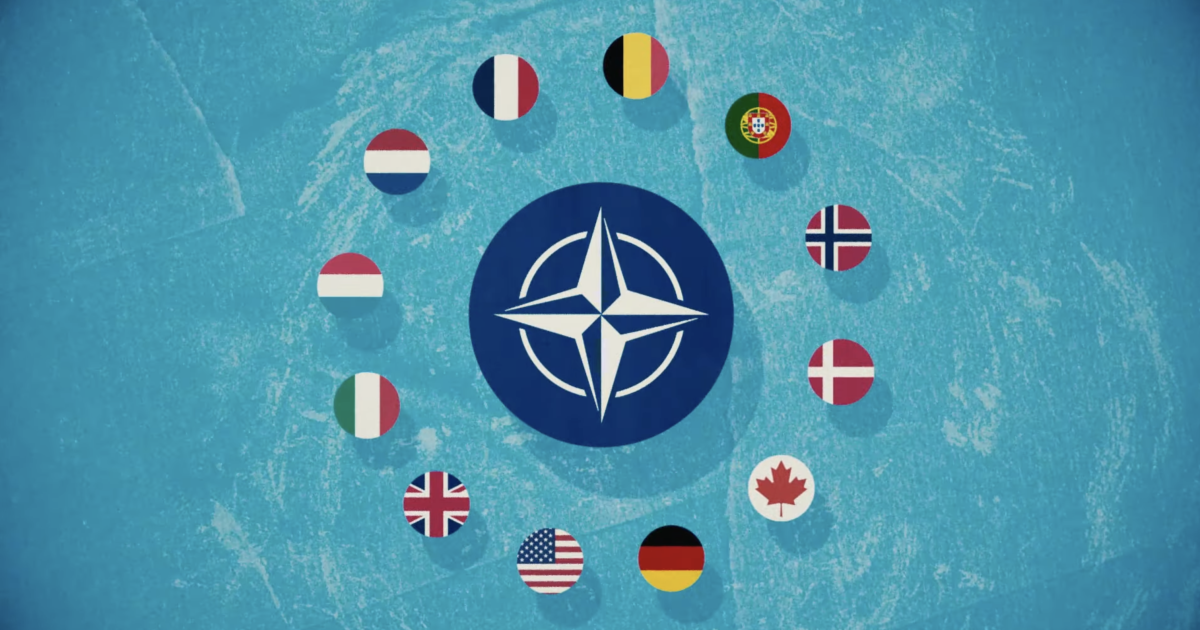
The North Atlantic Treaty Organization (NATO) has proven its enduring value and necessity through its unified support of Ukraine against Russia's invasion, its historic role in securing peace in Europe, and its continued ability to expand and strengthen, as evidenced by the recent addition of Finland and Sweden.

The North Atlantic Treaty Organization, commonly known as NATO, has for decades had naysayers declaring the organization to be in decline, dysfunctional, and unnecessary. Yet despite the criticisms, both NATO's historical record and its present day performance tell a different story. Europe's history is full of large scale military conflicts.

After the fighting of World War II finally came to an end. NATO was founded in 1949 to guard the freedom of its members. They sought to prevent Germany from posing a future military threat to Europe, to ensure the engagement of the United States and to contain the Soviet Union from any further expansion.

From its outset, NATO triumphed as a collective security organization. Article five of the North Atlantic Treaty, which holds member countries to the agreement that an attack on one is an attack on all, provided Europe with the longest period of sustained peace in modern history, up until Russias invasion of Ukraine.

Putin's likely motivation for the unprovoked invasion was his imperial ambition. He wants to restore Russian greatness by regaining the territories it lost when the Soviet Union collapsed. Once again, NATO has proved its enduring necessity and value. In its unified commitment to Ukraine, the alliance has provided billions of dollars in assistance.

It has trained tens of thousands of soldiers, supplied jets, tanks, armored vehicles, missiles, and medical supplies. This support has given Kiev's troops a logistic lifeline and kept ukrainian hopes alive. NATO has expanded multiple times throughout its existence, each time extending its protection throughout Europe. Russia's war against Ukraine led Finland and Sweden to join NATO, resulting in a stronger and reinvigorated alliance.

The Nordic Nations are now united against their centuries old adversary, helping to secure a tighter grip on the Baltic Sea and deter future Russian aggression. Ultimately, NATOs greatest achievement has been the prevention of many wars that could have happened that didnt. And that is why a bigger, stronger, and reinvigorated NATO is exactly what the world needs today to contain Russia, to send a clear message of western resolve to deter aggression.

As in the case of China's threats against Taiwan, to preserve North American and European historical ties, and to continue to foster the peace in Europe that took so long to achieve.

Related

Podcasts

Amidst “A World Of Generational Change”: 9/11’s Lessons And Legacy

The 9/11 attacks on the US were 25 years ago this week and, while there hasn’t been a second such shock, questions remain as to the Free World’s preparedness, whether a divided America can rediscover unity, and the strength of international alliances. Phillip Zelikow, the Hoover Institution’s Botha-Chan senior fellow and executive director of the 9/11 Commission, discusses lessons learned from the attack.

September 11, 2026 • 0 Min Listen

Articles

Twenty-Five Years After 9/11: A Call To Serve

For many Americans, 9/11 changed us in profound ways. The images of planes being flown into buildings, of desperate people jumping from the Twin Towers are seared into our memory. Few can understand the hatred that led nineteen hijackers to intentionally take thousands of lives.

September 8, 2026

Podcasts

25 Years After 9/11: Are We Safer?

Hoover Institution fellow Philip Zelikow explores whether America is truly safer today than on 9/11, how terrorist threats have evolved from centralized sanctuaries to online radicalization, and why conflicts in Gaza and Iran may not drive terrorism the way many assume.

September 2, 2026