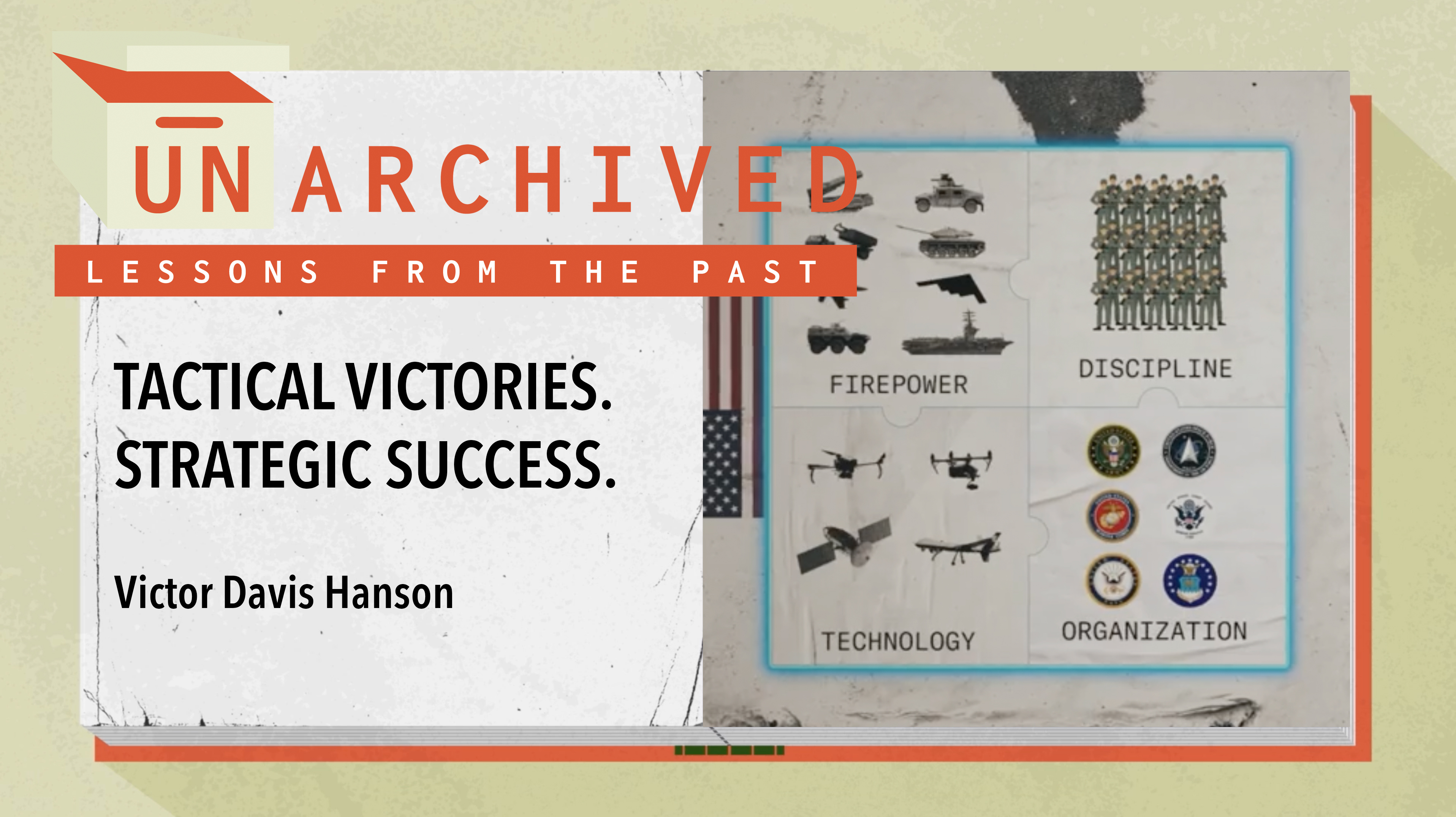
>> The United States military is virtually unmatched in firepower technology, discipline, and organization. Despite this, it suffers from a strategically dangerous and false belief that limited engagements and single decisive battles will lead to long-term military success and sustainable deterrence. From Vietnam to Iraq and Afghanistan, America has strayed away from ideas like unconditional surrender, strategic occupation, and enforcement of post-war terms. The very tactics that led to victory in World War II and the liberalization of both Nazi Germany and Imperial Japan in World War II, America unleashed devastating force and shattered Axis resistance. The result was unconditional surrender that reshaped the global order. Contrast this with Vietnam, where hesitation, vague goals, and fear of escalation resulted in a grueling stalemate, a cultural backlash. And over 58,000 American lives lost despite the failures of Vietnam. Limited warfare and self-restraint have become the go-to strategy based on the incorrect assumption that they helped and the Cold War in both Iraq and Afghanistan. The United States entered the conflicts with a show of force and early tactical victories, but then doubled down on the ideas of restraint and limited engagement. Insurgents exploited American restraint, manipulated global media to paint America as the aggressor, and created a war of attrition. The result, billions of dollars wasted, thousands of American lives lost, instability in Iraq, and a withdrawal from Afghanistan, which saw the Taliban return to power and US deterrents globally eroded. In both instances, limited engagement failed to achieve a decisive victory. Drones, precision strikes, and cyber warfare have further tempted some to believe surgical hits can replace full-scale war. Others have become convinced that we can win over our enemies through education, nation-building, and humanitarian aid, resolving conflict with zero military action. But these are the very ideas that gave the Taliban victory in 2021. Wars. Demand clarity, identify the enemy, dismantle their ability to resist, and dictate peace on American terms. Illusions of limited wars or humanitarian interventions, while understandable in the nuclear age dilute this reality, risking prolonged engagements with a small chance of success. Victory hinges on defeating the enemy, then winning hearts and minds. Overwhelming force with well-defined objectives applied relentlessly. Secure strategic resolution. Half measures. Invite defiance, embolden adversaries, and burden future generations with the cost of refighting old battles. The world's history shows wage war to win war, or don't wage it at all.