

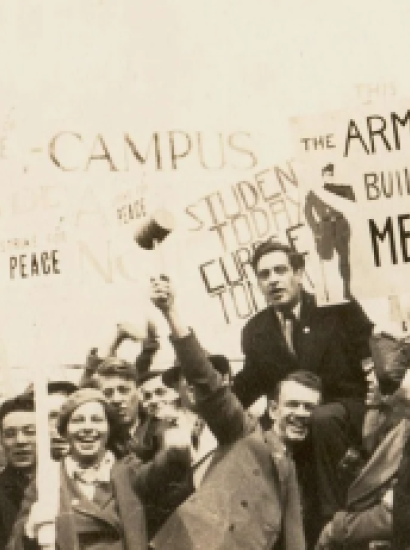
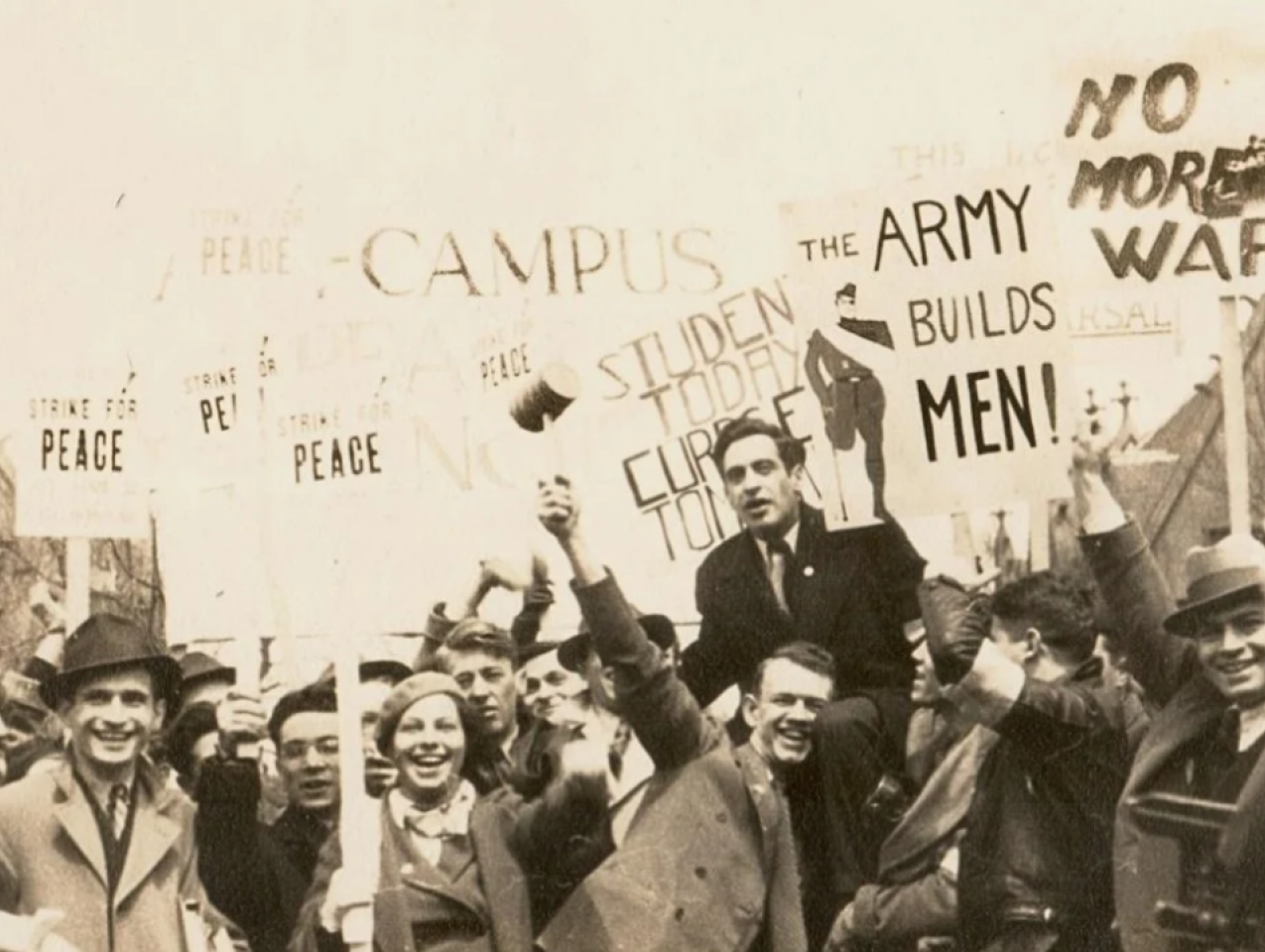
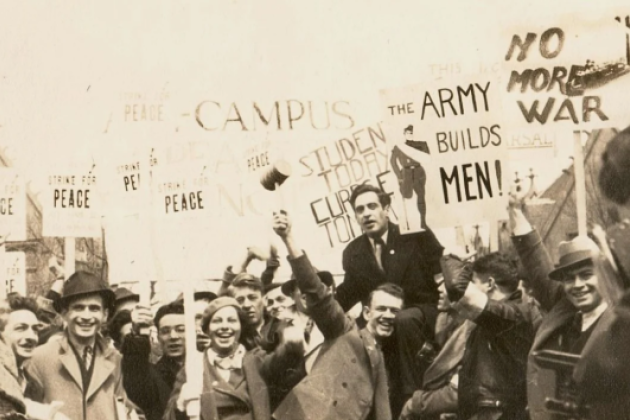
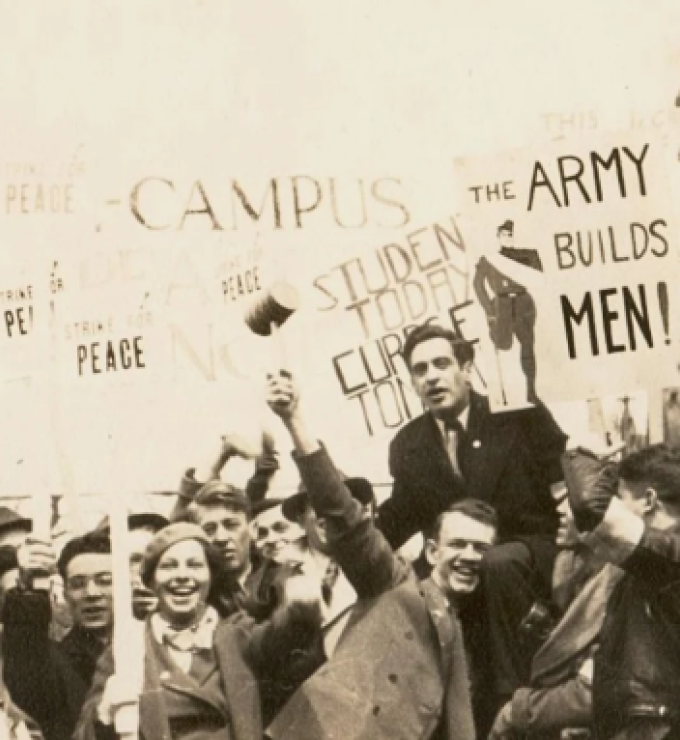

Hoover Institution (Stanford, CA) — The Hoover Institution has acquired the lost papers of Frank S. Meyer—an early leader of the Communist Party of Great Britain—who, improbably, became a chief architect of the American conservative movement.
The incoming Meyer collection includes thousands of unearthed letters from the likes of conservative intellectual William F. Buckley Jr., Star Trek writer Theodore Sturgeon, Lord of the Rings author J.R.R. Tolkien, Secretary of State Henry Kissinger, philosopher Leo Strauss, FBI Director J. Edgar Hoover, novelist James A. Michener, Senator Barry Goldwater, and other noteworthy twentieth-century figures.
Among its gems are homemade Christmas cards from author Joan Didion, who credited Meyer as the first editor to publish her freelance work; an invitation from Sheila MacDonald to meet clandestinely at 10 Downing Street in the absence of her father, Prime Minister Ramsay MacDonald; handbills announcing Meyer’s deportation from Great Britain; heretofore unknown photographs of a young Dorothy Canning Miller decades before she became curator at the Museum of Modern Art; and Communist Party training school course catalogs.
The papers, stored in 16 moving boxes amid 647 identical moving boxes, languished for years in an old soda warehouse in Altoona, Pennsylvania, before being discovered by Daniel J. Flynn, a Hoover Institution visiting fellow, in August 2022. Flynn drew on the papers to write his 2026 biography, The Man Who Invented Conservatism: The Unlikely Life of Frank S. Meyer. Word of the find spread, and other scholars used the newly discovered material for work on Richard Weaver, Leo Strauss, and others.
“I knew I hit paydirt within an hour of my arrival at that hot, dirty warehouse,” Flynn explains. “I came upon correspondence between Meyer and his best friend Eugene O’Neill Jr. and a wedding invitation from Garry Wills, the man who in many ways took O’Neill’s place in Meyer’s life. The boxes of letters that followed felt like vindication for a search that began two years earlier for material that supposedly did not exist.”
Frank Meyer, a Communist Party of Great Britain board member deported from the United Kingdom in 1934, testified against the leaders of the American Communist Party at the Smith Act trial of 1948–1949, then dubbed the longest, most expensive trial in U.S. history. In life’s second act, he helped erect the skeletal structure of the postwar conservative movement. Present at the creation of National Review, he played a role at the founding of the American Conservative Union, the Philadelphia Society, Young Americans for Freedom, and the Conservative Party of New York.
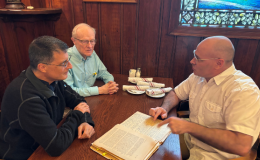
(center), and Flynn (right) looking over
a folder of Rose Wilder Lane's letters
“This extraordinary warehouse cache joins existing Hoover Institution collections of Meyer’s National Review colleagues James Burnham and Willmoore Kendall and the extensive holdings of such prominent American communists and former communists, as Bertram Wolfe, Sidney Hook, Joseph Freeman, and Jay Lovestone," said Eric Wakin, deputy director of the Hoover Institution and director of its Library & Archives. "It also unites these heretofore lost Meyer files with the Meyer papers currently housed at Hoover, whose curious omissions inspired Dan Flynn six years ago to go looking for what many did not think existed. By providing scholars access to tens of thousands of letters from some of recent history’s most significant public intellectuals, this collection adds new information to many old stories.”