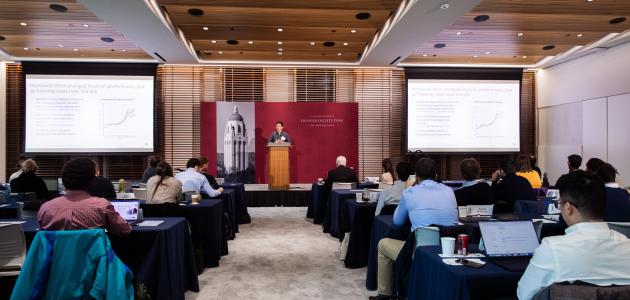





Hoover Institution (Stanford, CA) — On Wednesday, November 4, 2026, an event honoring Milorad M. Drachkovitch and the reopening of the Polich Library took place in the Milbank Room, the original reading room inside Hoover Tower at Stanford University. "Work, Exile, and Home" marked the thirtieth anniversary of the death of Milorad M. Drachkovitch, senior fellow and former archivist at the Hoover Institution, and explored Serbian and Yugoslav cultural heritage and the history of Yugoslav émigrés in California.
Eric Wakin, deputy director of the Hoover Institution and director of the Library & Archives, opened the event. In his welcoming remarks, he emphasized the Hoover Institution's unique collections, the mission of this repository of cultural heritage, and the importance of preserving the history of those whose work was shaped by the memory of the regions from which they came.
Then, Boris Tadić, former president of Serbia, addressed the audience by video message. He spoke about the life and work of Milorad Drachkovitch and the endowment efforts of the Polich family. He also shared a personal observation about the collaboration between his father, the academician Ljubomir Tadić, and Milorad M. Drašković. Citing letters from the newly processed Milorad M. Drachkovitch collection, Tadić noted that although the two men viewed the world from different ideological positions, they managed to foster a dialogue later in life and even developed a friendship.
Openness and a willingness to listen to a different opinion, he observed, are the basis of every scientific approach and one of the principles on which universities and the scientific community are founded.
The audience then watched an excerpt from a 1994 documentary by Jasmina Bojić in which she interviewed Drachkovitch, who was then senior fellow emeritus. Also featured in it was the renowned British historian Robert Conquest (1917 - 2015), who shared his memories of this remarkable man and scholar.
Following the screening, Bertrand Patenaude, research fellow and interim head of engagement at the Library & Archives, moderated a conversation with the evening's guests. Jasmina Bojić, lecturer at Stanford University and founder and executive director of the United Nations Association Film Festival, shared her recollections of interviewing Drachkovitch. Dennis L. Bark, senior fellow emeritus, historian, political scientist, and expert on American-European relations, who also chairs the board of trustees of the Earhart Foundation, reflected on his years of collaboration with Drachkovitch, his friend and colleague. Ognjen Kovačević, historian and librarian at the Hoover Institution, presented portions of Drachkovitch's biography and the history of the Polich family.
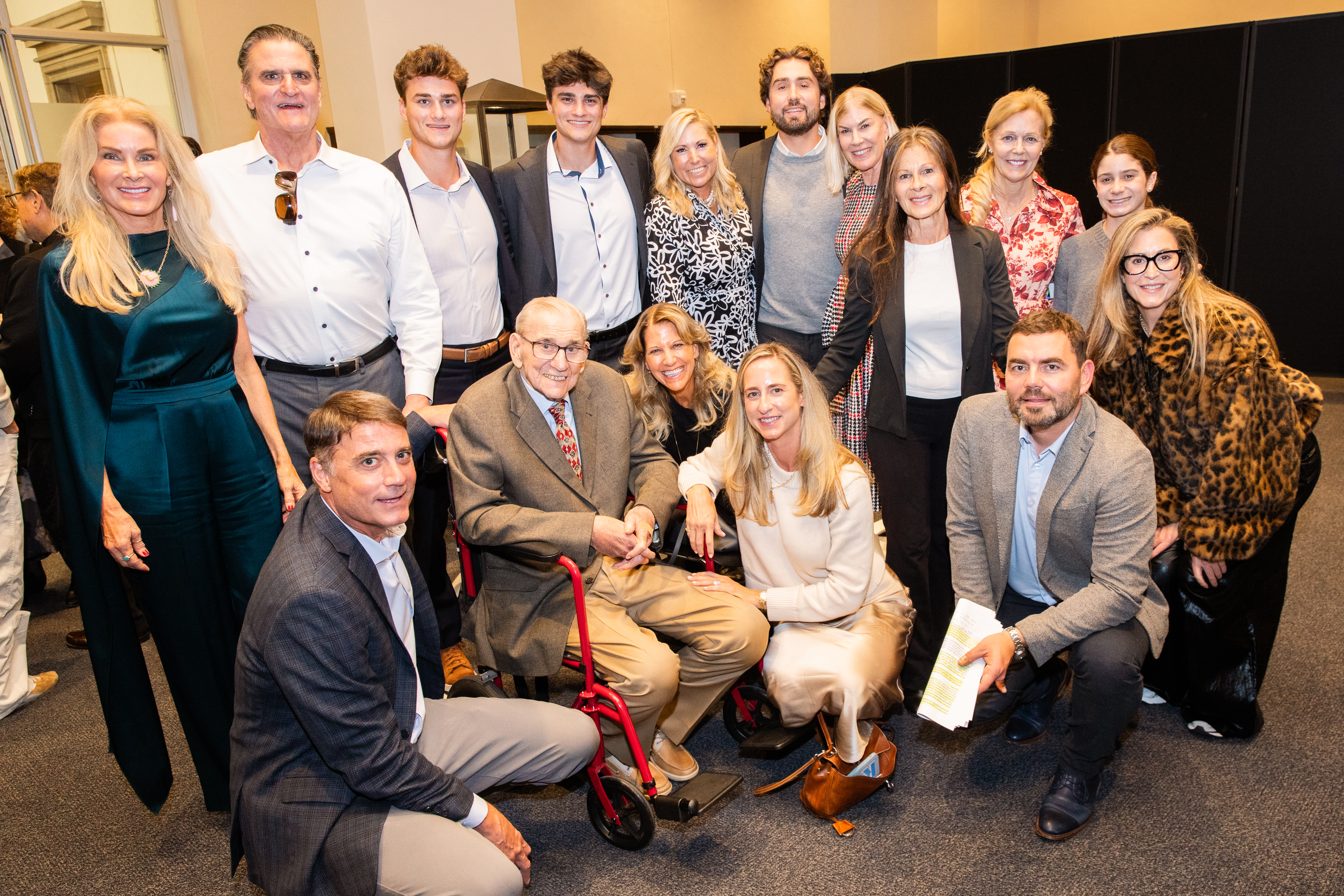
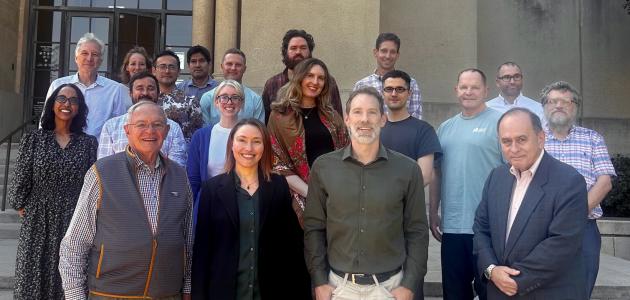
In addition to representatives of the Drachkovitch and Polich families, the event was attended by many admirers of Drachkovitch's work, Hoover Institution colleagues, and Stanford students and faculty. Representatives of the Serbian educational, scientific, and business communities in California also took part, along with Orthodox clergy led by Bishop Maksim of Western America. During the ceremony, the bishop's English translation of the biography of Todor Polić, published by Sebastian Press and supported by the Hoover Institution Library & Archives, was also presented.
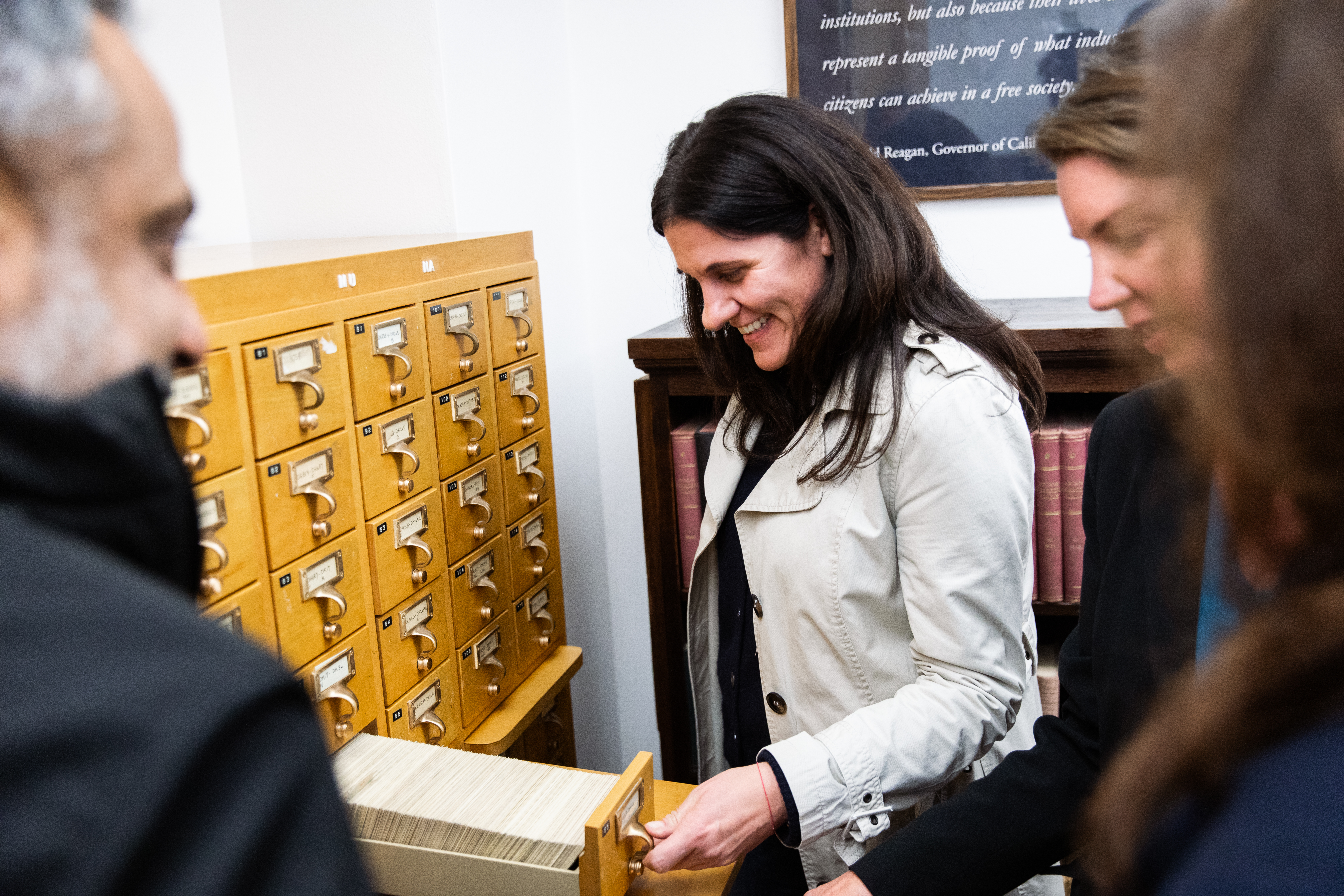
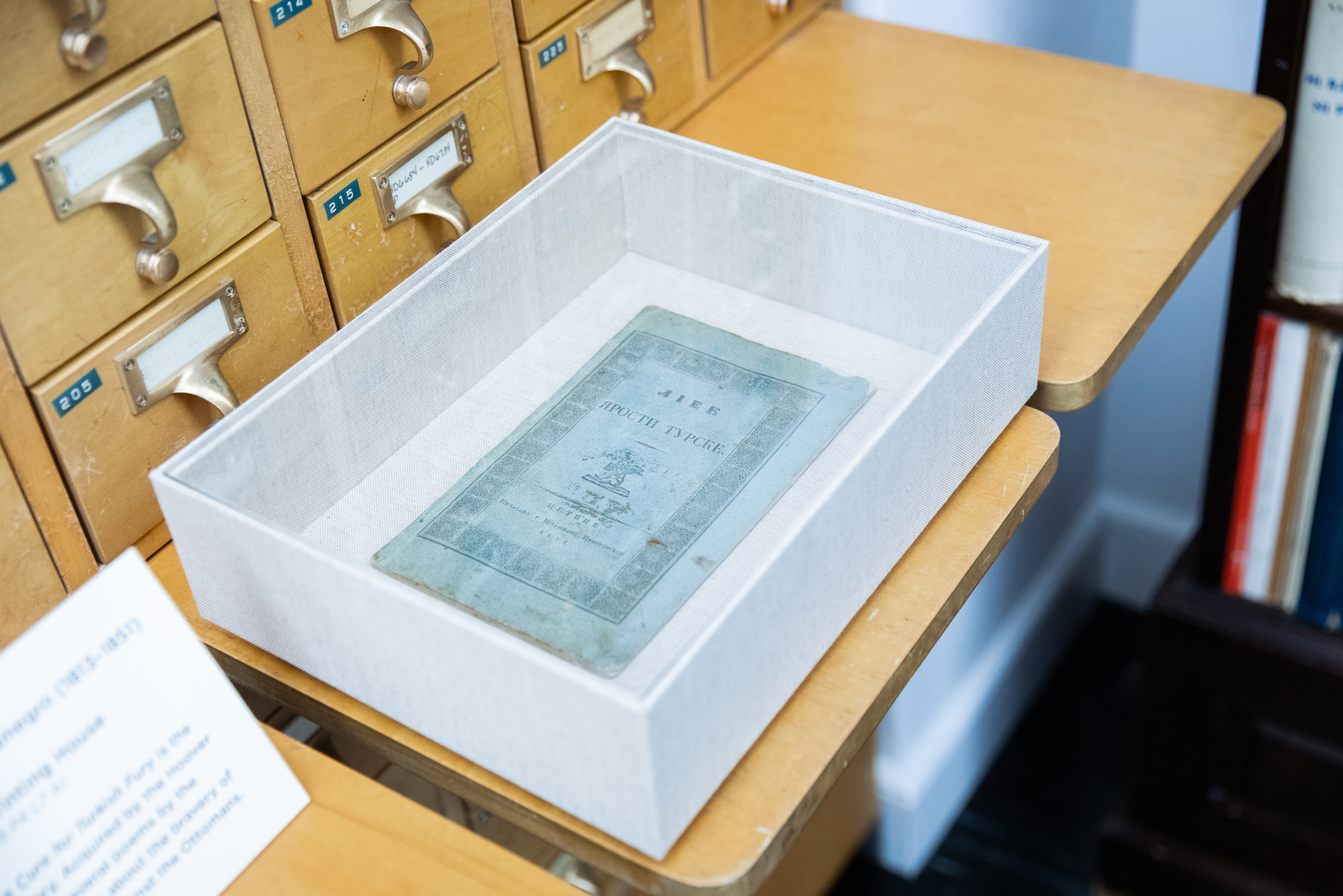
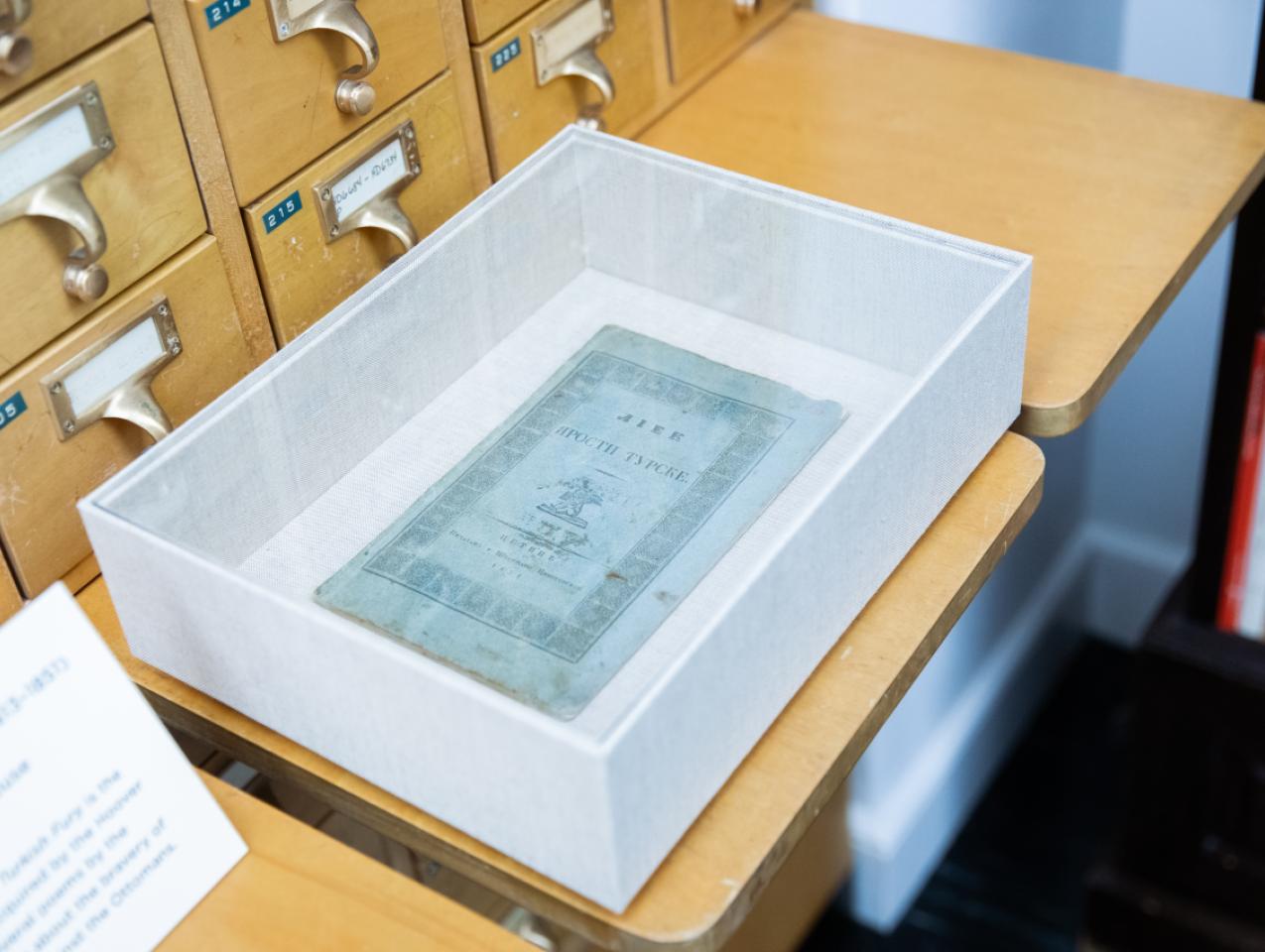
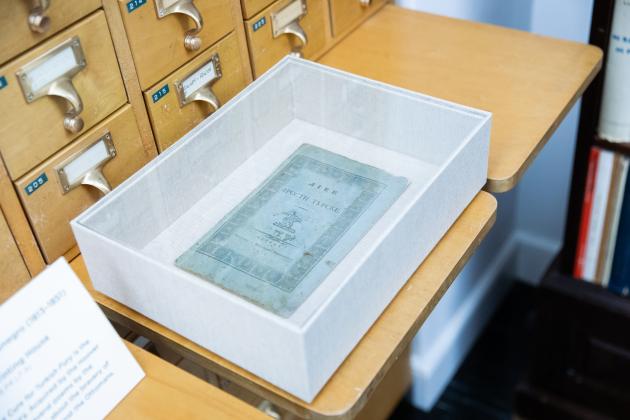
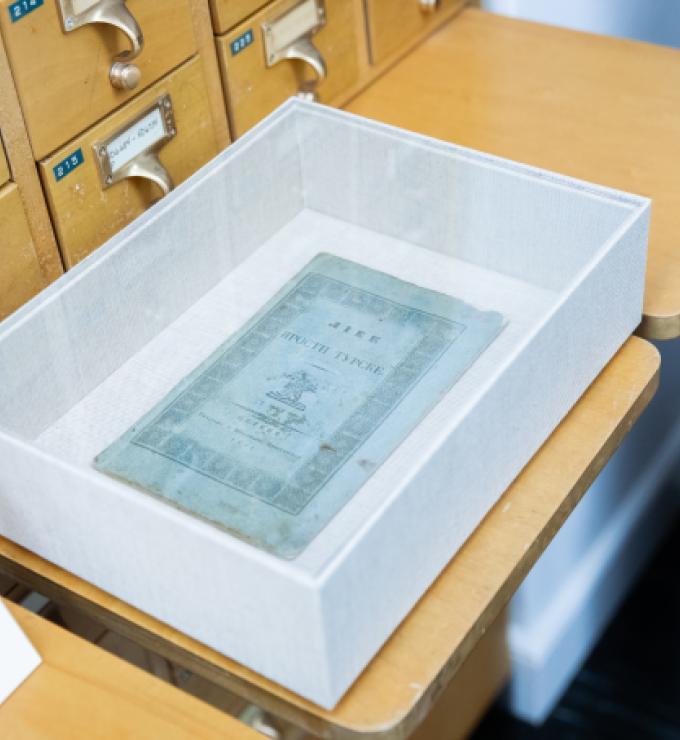
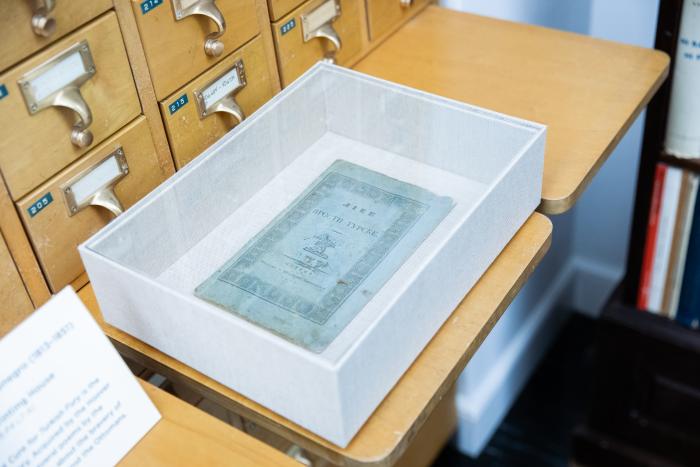
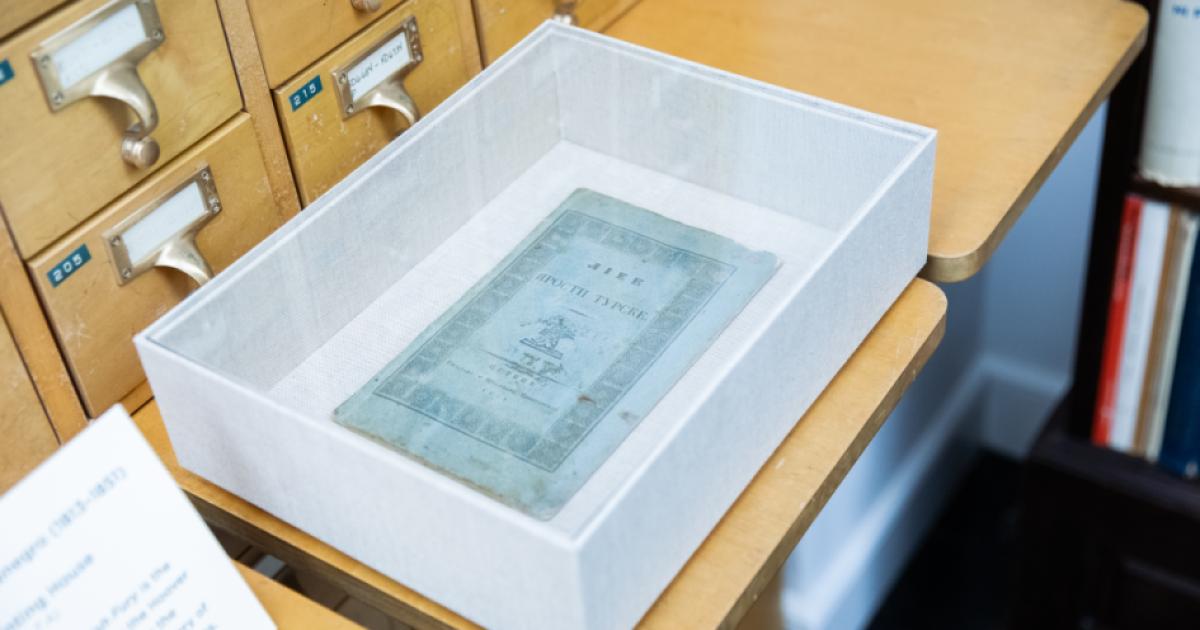
After the main program, visitors to Hoover Tower had the opportunity to tour the new Polich Library. Alongside exhibits from the institution's history, the library features a portrait of Vuk Stefanović Karadžić by Ivanka Gavanski and a portrait of Todor Polić by Bishop Maksim. It also holds one of the few surviving copies of Petar II Petrović Njegoš's Lijek jarosti turske (The Cure for Turkish Fury), printed in Cetinje, Montenegro, in 1834; facsimiles of documents held in the Hoover Archives, including Nikola Tesla's 1939 letter to Konstantin Fotich; the text of the Corfu Declaration as published in Odesa in August 1917; and books written mainly by Serbian and Yugoslav authors, as well as works on the history of Yugoslavia.