




Hoover Institution (Stanford, CA) — John S. Widdicombe was born in 1907 in Grand Rapids, Michigan. He attended the University of Virginia and later the University of Oxford in the United Kingdom. During World War II, he served in Europe with the 140th Infantry Regiment as a staff sergeant. After the war, he was hired by the United Nations Relief and Rehabilitation Administration (UNRRA) in Poland as a special assistant to Charles Drury, a former Canadian brigadier general and head of UNRRA operations in Poland. This experience led to Widdicombe's appointment by Drury to the International Refugee Organization (IRO), a temporary UN agency established in 1946 to oversee the repatriation of Europeans displaced by the war.
As Poles constituted the largest group of European refugees, the IRO established an office in Warsaw to facilitate the repatriation of Polish nationals. Widdicombe served as director of the IRO in the Polish capital from 1946 to 1950. Although this was a transformative period for Poland, which sought to rebuild and return to a sense of normalcy, the work became increasingly difficult amid growing tensions with Soviet officials, who were suspicious of Western influence. The end came swiftly in late 1949, when the IRO was expelled from the country.
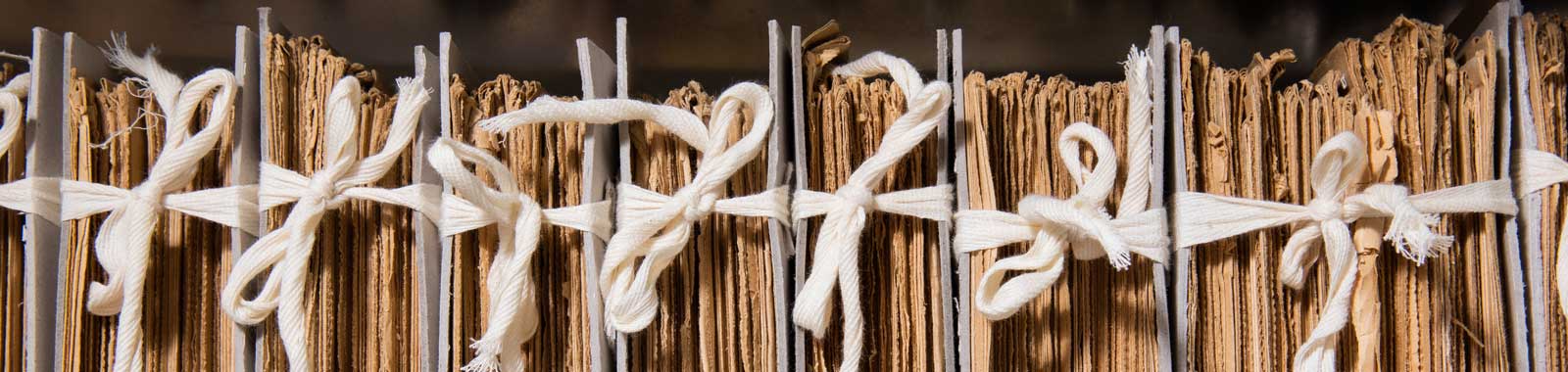
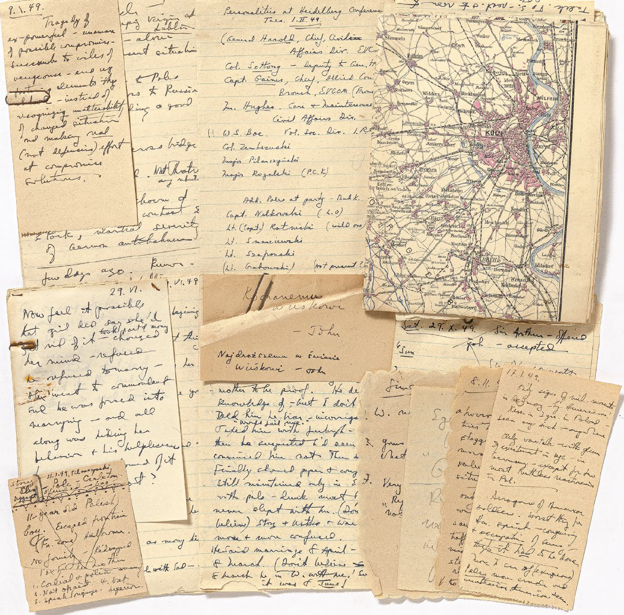
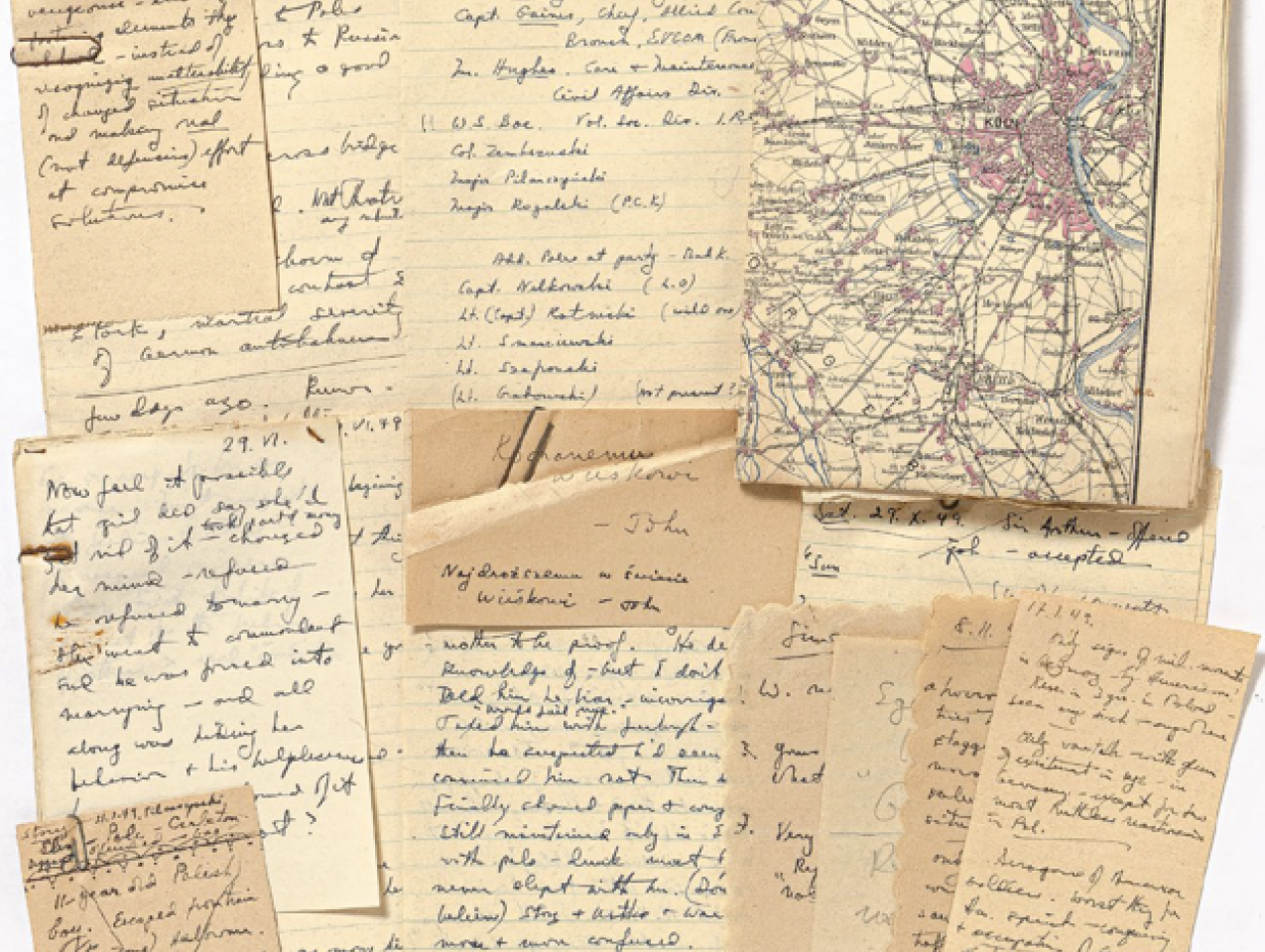
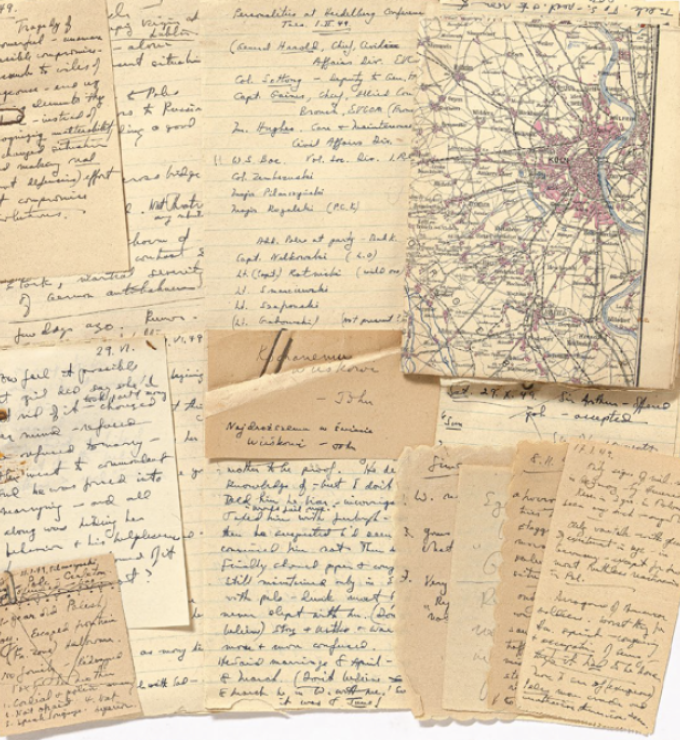
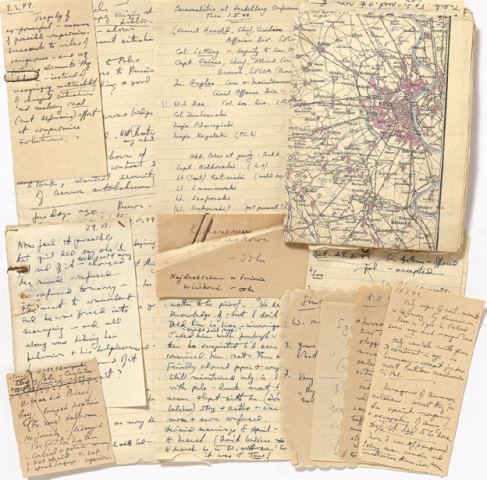
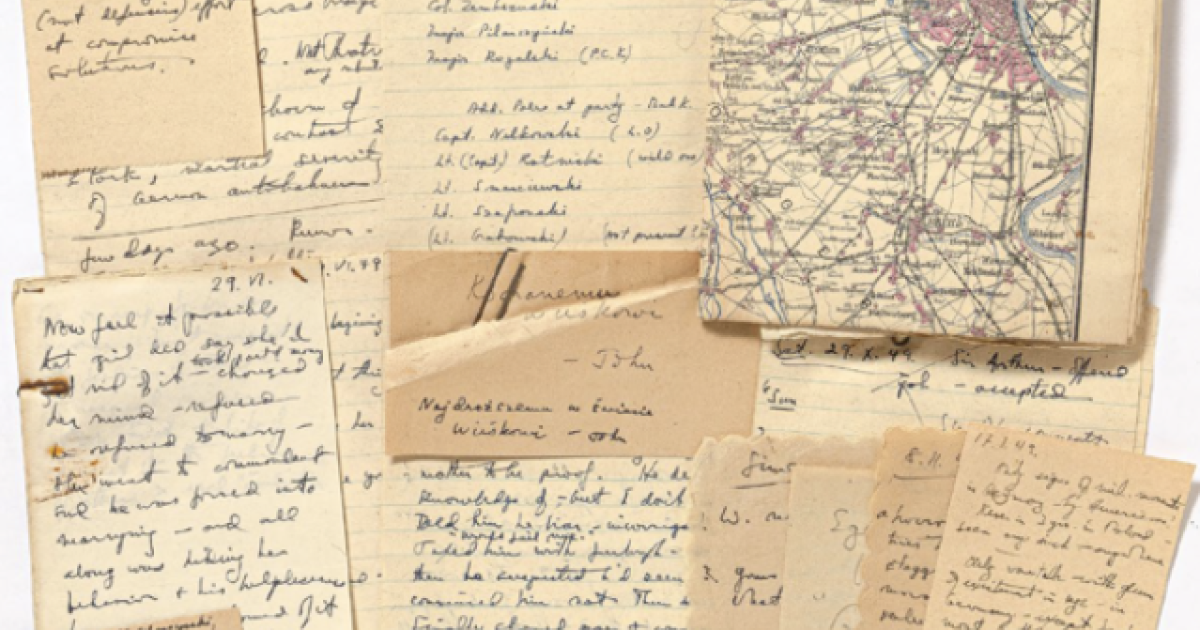
The Widdicombe papers were assembled during his tenure as director of the IRO in Warsaw. They include more than 600 photographs, both official IRO images and pictures taken by Widdicombe, as well as IRO memoranda and reports written or received by him, scattered correspondence, and handwritten notes.
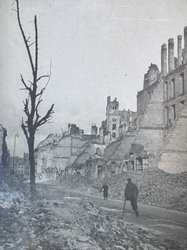
Together, the files and photographs offer a stark view of postwar Europe's immense logistical and political challenges. They document the return of displaced populations along impassable roads and through ruined towns. The records also illuminate the IRO's often slow day-to-day operations and its evolving relationship with local officials, who initially welcomed assistance but became increasingly uncooperative as Communist Party influence grew.
These materials represent an important resource for researchers studying postwar European reconstruction efforts, the activities of UNRRA and IRO, and the devastation of postwar Poland.