




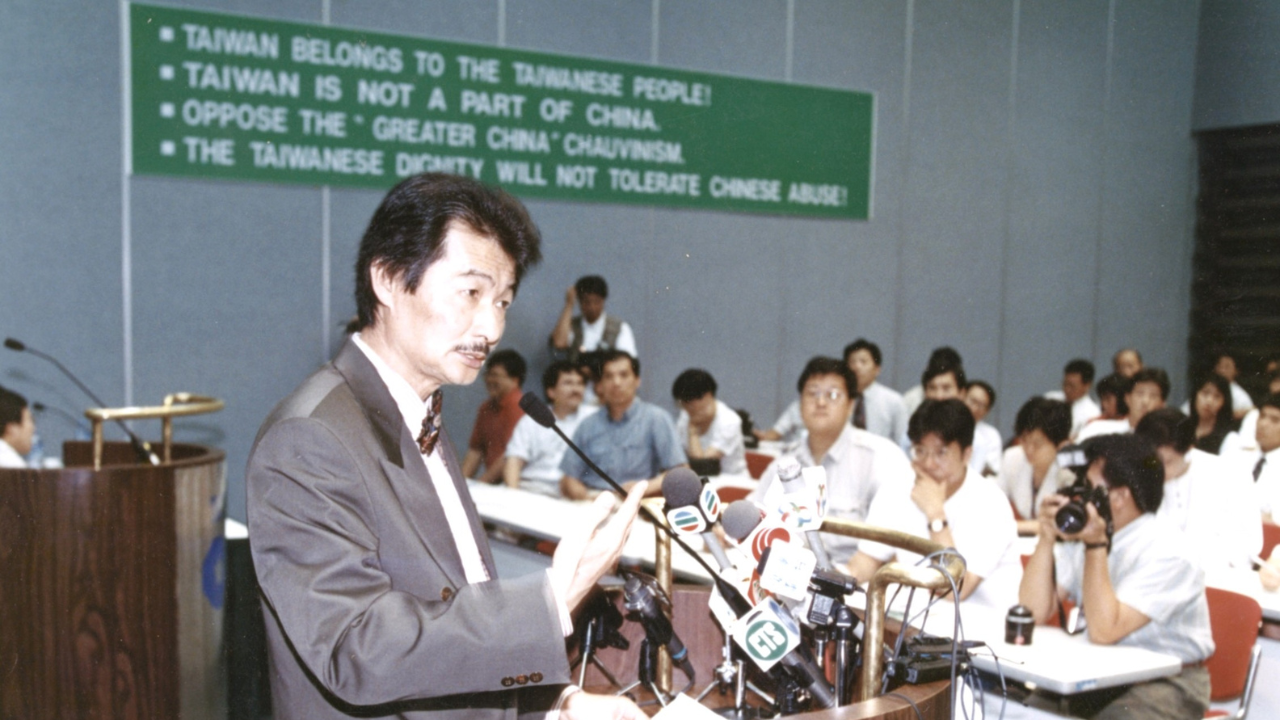
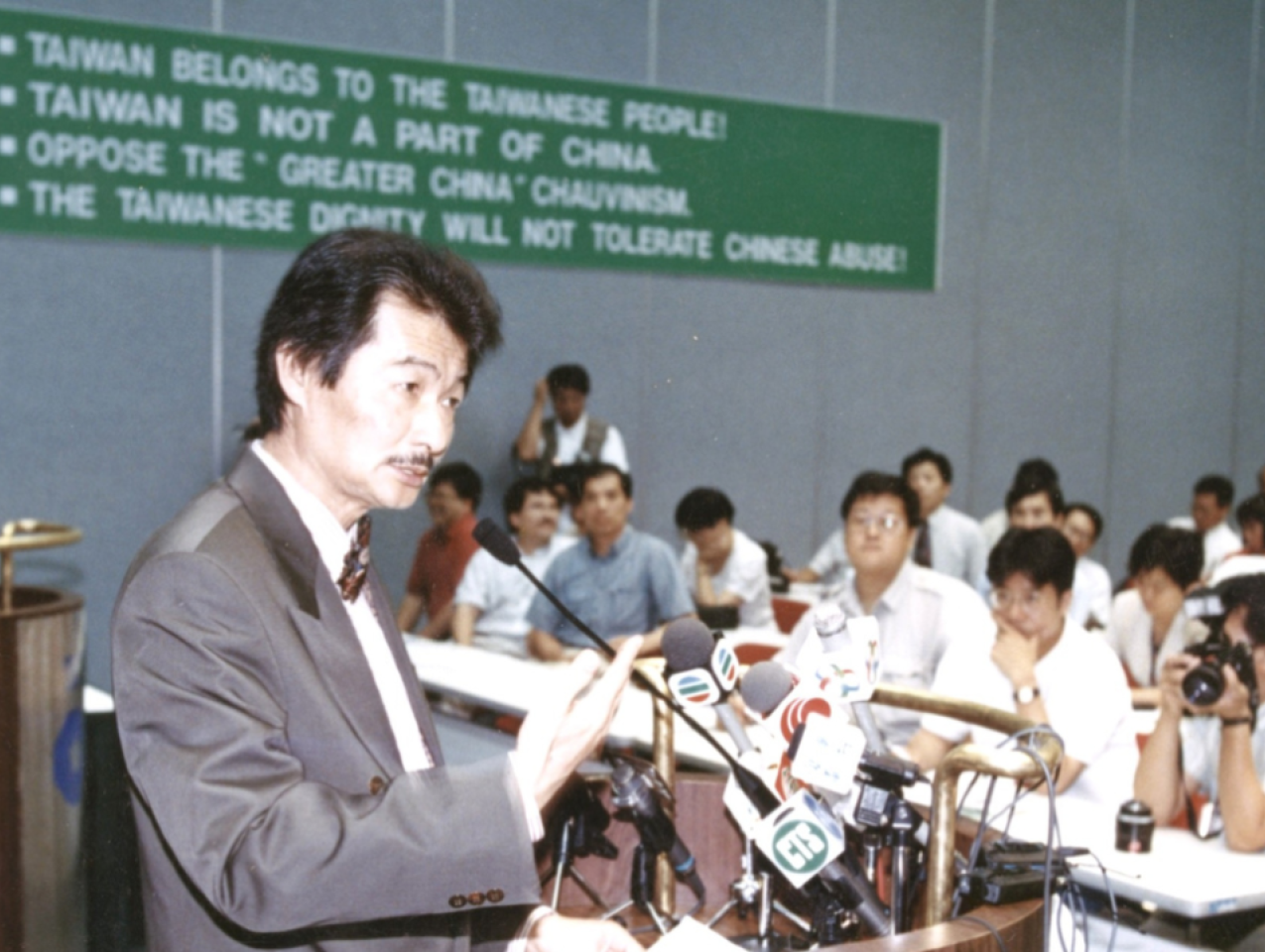
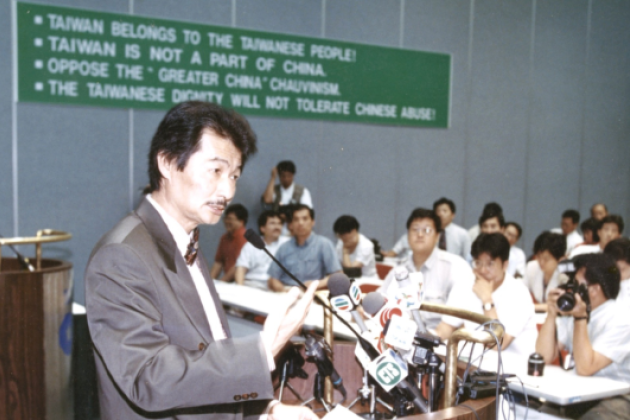
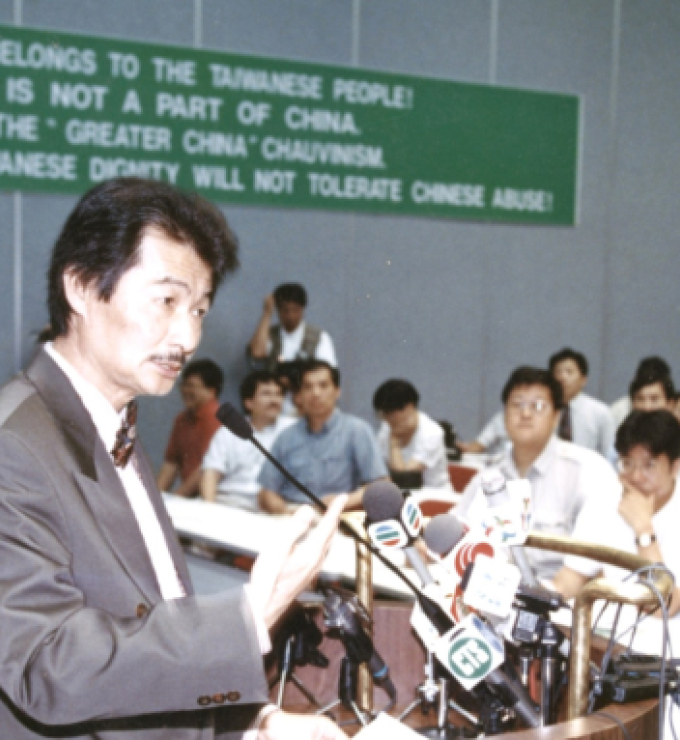
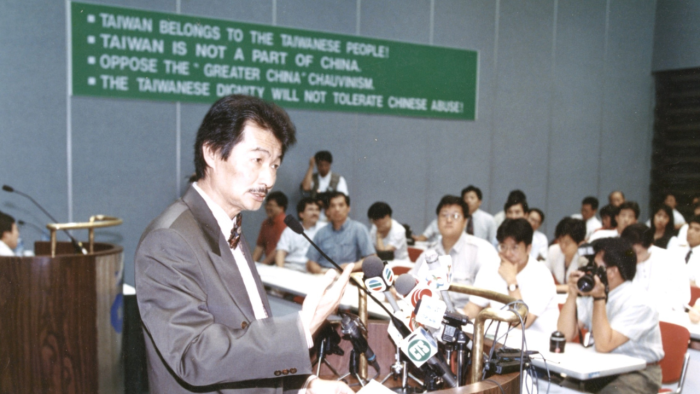
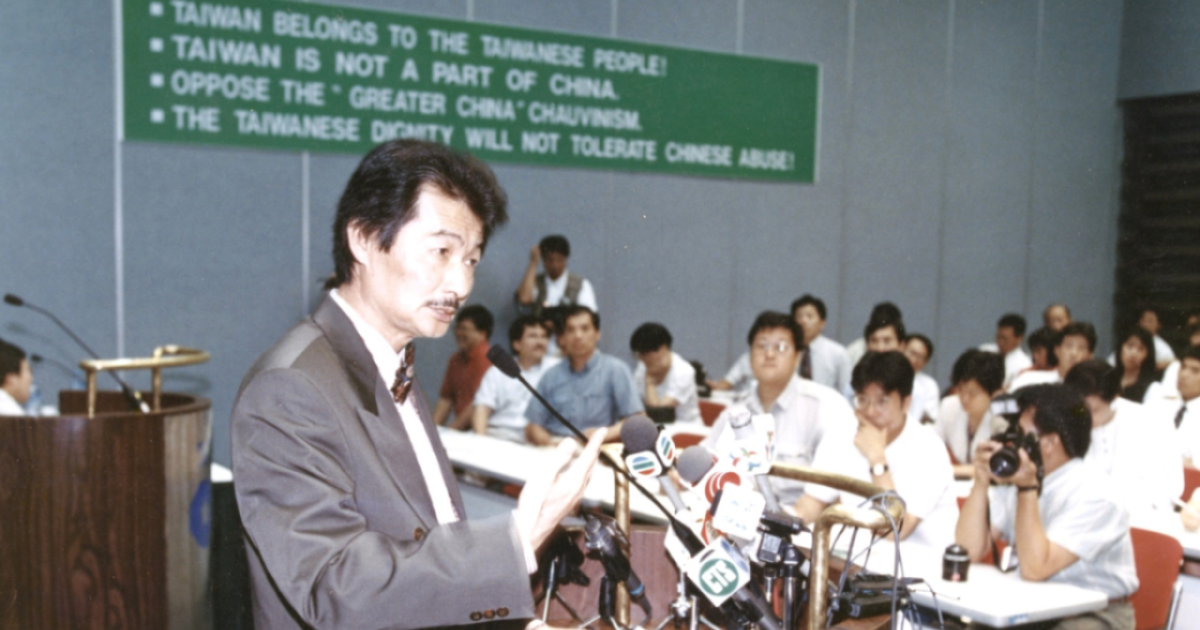
Hoover Institution (Stanford, CA) — The Hoover Institution Library & Archives recently acquired the personal papers of Shih Ming-te, a legendary politician in the history of modern Taiwan. Shih was born in 1941 in Kaohsiung, in southern Taiwan, when the island was under Japanese colonial rule. At this time, China was ruled by the Kuomintang (KMT) party under Chiang Kai-shek, and after World War II, Japan surrendered Taiwan to the Republic of China (ROC).
During the anti-KMT uprising of February 28, 1947, Shih’s father was severely beaten by KMT forces, solidifying Shih’s resentment of the ruling Chinese Nationalists. At age eighteen, Shih attended the ROC Artillery School to prepare for an eventual revolt against Chiang Kai-shek’s rule. In 1962, while serving as a junior military officer on the offshore island of Quemoy, Shih was arrested and charged with sedition for creating a “Taiwan Independence League” to overthrow the government.
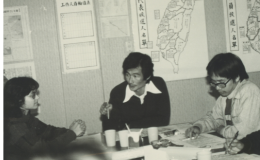
Tangwai members to discuss electoral
strategies against the KMT party in 1978
After his release from prison in June 1977, Shih Ming-te resumed his anti-KMT activities by becoming an active member of the Tangwai political movement. He was the chief organizer of the Kaohsiung Incident of December 1979, when a pro-democracy rally mounted by Formosa Magazine in downtown Kaohsiung was violently suppressed by the KMT regime. After twenty-six days on the run, Shih was again arrested and this time sentenced to life in prison. During his second imprisonment, he spent thirteen years in solitary confinement and endured a hunger strike lasting over four years. In 1984, Polish politician and Nobel Peace Prize laureate Lech Wałęsa nominated Shih for the Peace Prize. Shih was finally released in May 1990.
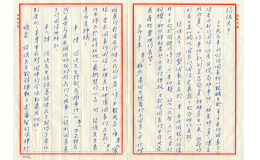
President Chiang Ching-kuo requesting the release of
political prisoners and democratization of Taiwan, April 1985
In 1993, Shih was elected chair of the now legalized opposition Democratic Progressive Party (DPP), and he became a strong advocate for political reconciliation in Taiwan. In the fall of 2000, shortly after the DPP became Taiwan’s ruling party for the first time with the ascendancy of Chen Shui-bian to the presidency, Shih resigned from the DPP due to ideological differences with his fellow party members. In 2006, Shih carried out a huge protest, Million Voices Against Corruption, President Chen Must Go, in an effort to force the embattled Chen to resign the presidency. He led a round-the-clock sit-in in front of the Presidential Office Building, pledging to remain there until Chen left office. The protest, in which many demonstrators wore red shirts, became one of the first actions of what would become known as the Red Shirt Movement.
Among the first major grassroots anticorruption movements in Taiwan’s democracy, the Red Shirt Movement has been cited as a significant example of civil disobedience, highlighting the tension between political mobilization and the democratic process. The movement Shih led eventually resulted in regime change in March 2008, when the KMT, now under the leadership of Ma Ying-jeou, regained political power. As a legendary political personality of contemporary Taiwan, Shih has been referred to by some as “Taiwan’s Nelson Mandela” on account of his endeavors for democracy and prolonged incarceration. He died in Taipei in January 2024.

2006 Red Shirt Movement
In January 2026, the Hoover Institution Library & Archives collaborated with the Shih Ming-te Foundation to preserve and digitize Shih’s personal papers and make them available for scholarly review at Hoover. The Shih Ming-te Collection includes Shih’s manuscripts; pamphlets, posters, and miscellaneous materials related to the 2006 uprising; and thousands of pages of declassified official records about Shih’s imprisonment as a dissident. Also included are photographs related to Shih’s political career and his Tangwai activities. These documents are a valuable resource for those seeking to understand Taiwan’s long and winding journey from authoritarianism to democracy.