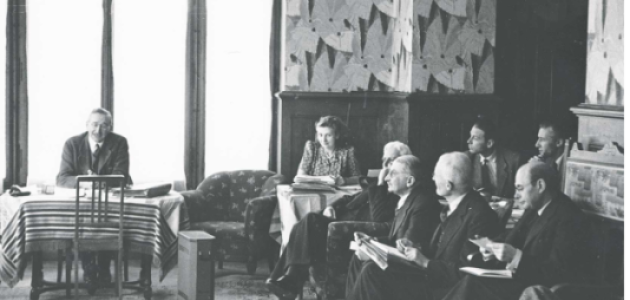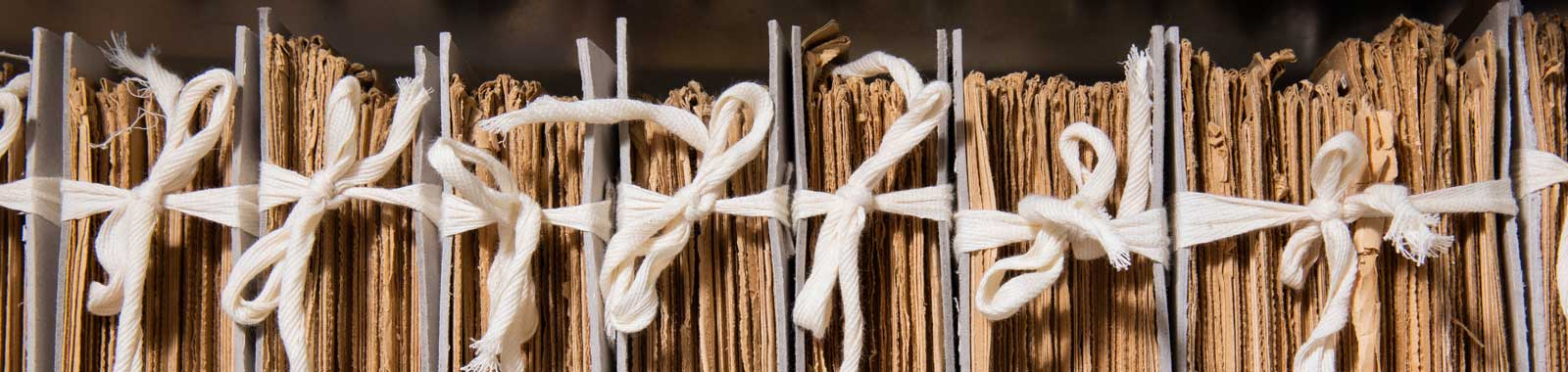




Andrzej Pomian, who died three years ago in Washington, DC, at the age of ninety-seven, was a Polish émigré journalist and author, who worked for many years for Radio Free Europe. During World War II, he was a ranking officer in the Information and Propaganda Bureau of Poland’s clandestine Home Army, the largest underground organization in Nazi-occupied Europe. Extracted from Poland in April 1944 in one of the most spectacular air operations of the war, Pomian spent the next ten years with the Polish government in exile in London before moving to the United States. He brought with him a large metal trunk filled with his notes, documents, underground publications, and reports on the activities of the Home Army. The contents of that trunk, untouched in more than fifty years, have now arrived in the Hoover Archives as a large increment to the small Pomian collection already in the Archives.
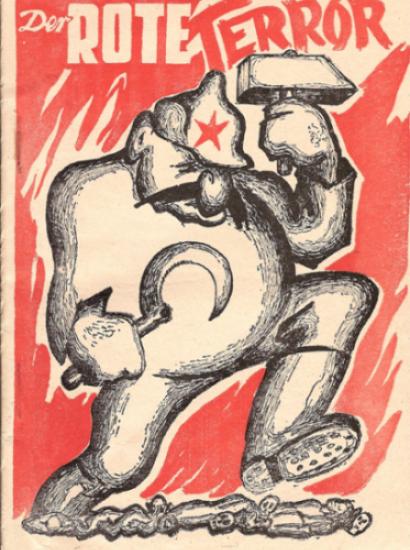
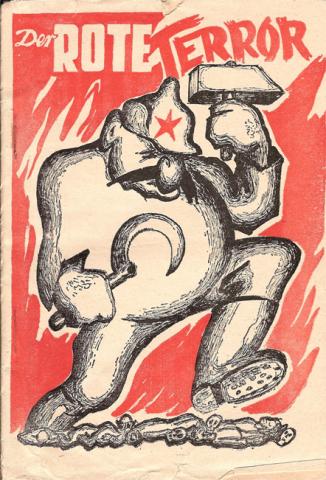
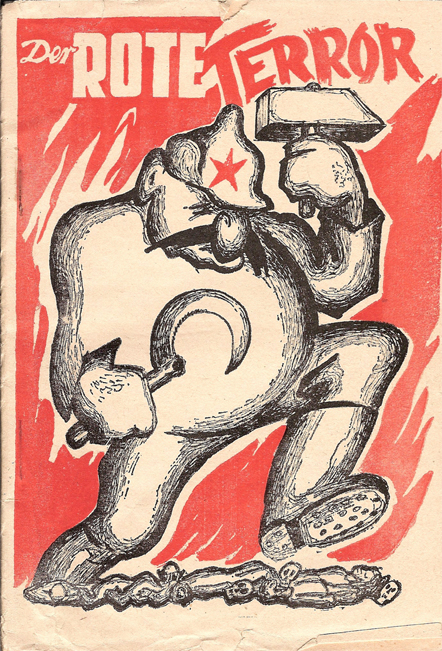
Andrzej Pomian, the name he assumed during the war, was born Bohdan Salacinski in 1911 in a Polish village in Podolia, the part of western Ukraine absorbed by the Soviet Union in 1920. Escaping the Soviets, the family moved to Warsaw, where Bohdan was educated, receiving his law degree from the University of Warsaw in 1932 and remaining at the university as an assistant professor. From the beginning of German occupation, Pomian was involved in underground work. He taught law in an underground university and worked in various units of the resistance, eventually becoming a director of the Information and Propaganda Bureau, which coordinated the underground intelligence and publication work of the Home Army and controlled underground radio programming, as well as photographic and film documentation units. The Bureau’s “Action N” section published documents in German aimed at weakening the morale of the German army and colonists in Poland. In general, the Home Army was involved in sabotage, self-defense, and retaliation activities against the Germans. It also provided key service to the Allies in the area of intelligence, monitoring troop movements in the east, and the development of German secret V-1 and V-2 rockets. The primary purpose of the Home Army, however, was to prepare for the anticipated German military collapse and the liberation of the country. After the Allied landing in Italy and the westward advance of the Red Army, a great national uprising, focused in Warsaw, was planned for the second half of 1944.
In connection with this plan, the Home Army and underground civilian authorities delegated several officers, including Pomian, to report to the Polish and British authorities in London on the progress of the preparations. Such contacts were usually carried out by coded radio transmissions or solitary couriers or emissaries. There were regular night flights from England or southern Italy to drop supplies and people into occupied Poland. A new joint Polish-Special Operations Executive operation, Wildhorn I, including actual landing and return flight was undertaken in the evening of April 15, 1944. A Douglas Dakota, unarmed but equipped with eight additional fuel tanks, left its base near Brindisi in southern Italy. It flew over the Balkans and the Carpathian Mountains into Poland, to a stubble field near the city of Lublin, southeast of Warsaw. The field was marked out by bonfires and secured by several forest companies of the Home Army. Agents and bags of U S dollars were unloaded, and Pomian and his colleagues boarded the Dakota, barely avoiding the intense and bloody firefight that erupted between the Home Army units and the pursuing Wehrmacht columns. The return flight via Brindisi and Gibraltar, brought Pomian to England twenty four hours later.
Pomian followed the tragic epilogue of the war in Poland from distant London. The sixty-three-day Warsaw Uprising, which broke out on August 1, 1944, failed because of lack of support from the Soviets – the Red Army moved in several days later, but stopped at the Vistula, across the river from burning Warsaw. Poland’s British and American allies could do little to help, and did not even protest Soviet treachery. About 200,000 Poles were killed, including most of Pomian’s Home Army associates and friends. Warsaw was virtually leveled; the country was turned into a Soviet dependency. The Western Powers soon added insult to injury by withdrawing recognition from their loyal wartime ally and establishing relations with Communist Poland. During his ten years in London, Pomian continued working for the Polish government in exile, coordinating contacts and organizing financial support for the anticommunist underground and Home Army veterans. He also collected documentation on the Warsaw Uprising and the Home Army. When in 1955, he decided to move to the United States, he packed all that he wanted to save into a big trunk, apparently never opening it again, deciding a few months before his death that its best home would be in the Hoover Institution.