




Hoover Institution (Stanford, CA) — The Hoover Institution Library & Archives has recently acquired the personal papers of Liu Shun-yuan, Cheng Sung-ting, and Fred Wu-O Chiao, who fought many battles on the pre-1949 Nationalist Chinese mainland and served in crucial military positions in post-1949 Taiwan for the Republic of China (ROC).
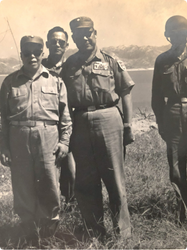
of top military officials on the tiny
Dadan islet outpost, ca. 1959.
Liu Shun-yuan (1914–2013) quit his undergraduate enrollment with Tsinghua University to attend the ROC Central Military Academy in 1935. Between 1939 and 1944 he was stationed in Gansu Province in northwest China. In 1944–45, after fighting multiple battles with the Japanese in central China, Liu was transferred to Guizhou Province as a member of the Chinese Expeditionary Force. During the Chinese civil war (1945–49), Liu first served as a staffer at the Xian Garrison Command and then as garrison commander in North China responsible for reorganizing the local puppet armies formerly formed by the Japanese. At the latter stage of the civil war, Liu engaged in dozens of battles with the Chinese Communists. In June 1949, he withdrew from the Communist-besieged Qingdao to settle in Taiwan. In 1959, Liu was made commander of the garrison forces on Dadan Island, a tiny outpost only 2.7 miles from the Communist mainland. When President Dwight Eisenhower visited Taiwan on June 18 and 19, 1960, the People’s Liberation Army (PLA) fired 170,000 artillery shells at Nationalist-held offshore islands, with Dadan Island bearing the brunt. Miraculously, no one was injured during the artillery bombardment. Liu’s last post was serving as a military counselor to President Chiang Kai-shek before retirement in 1976.
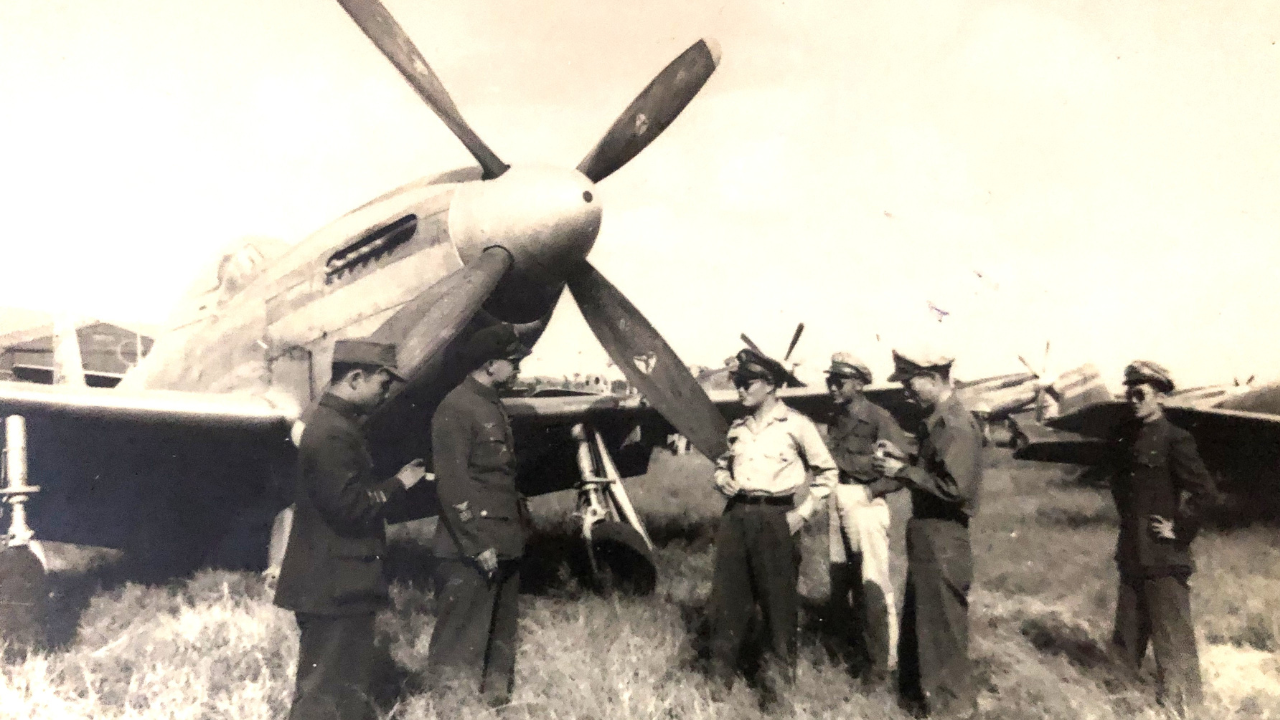
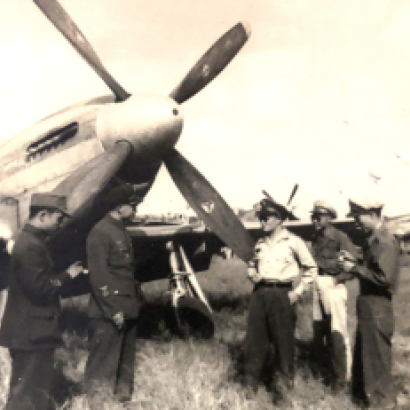
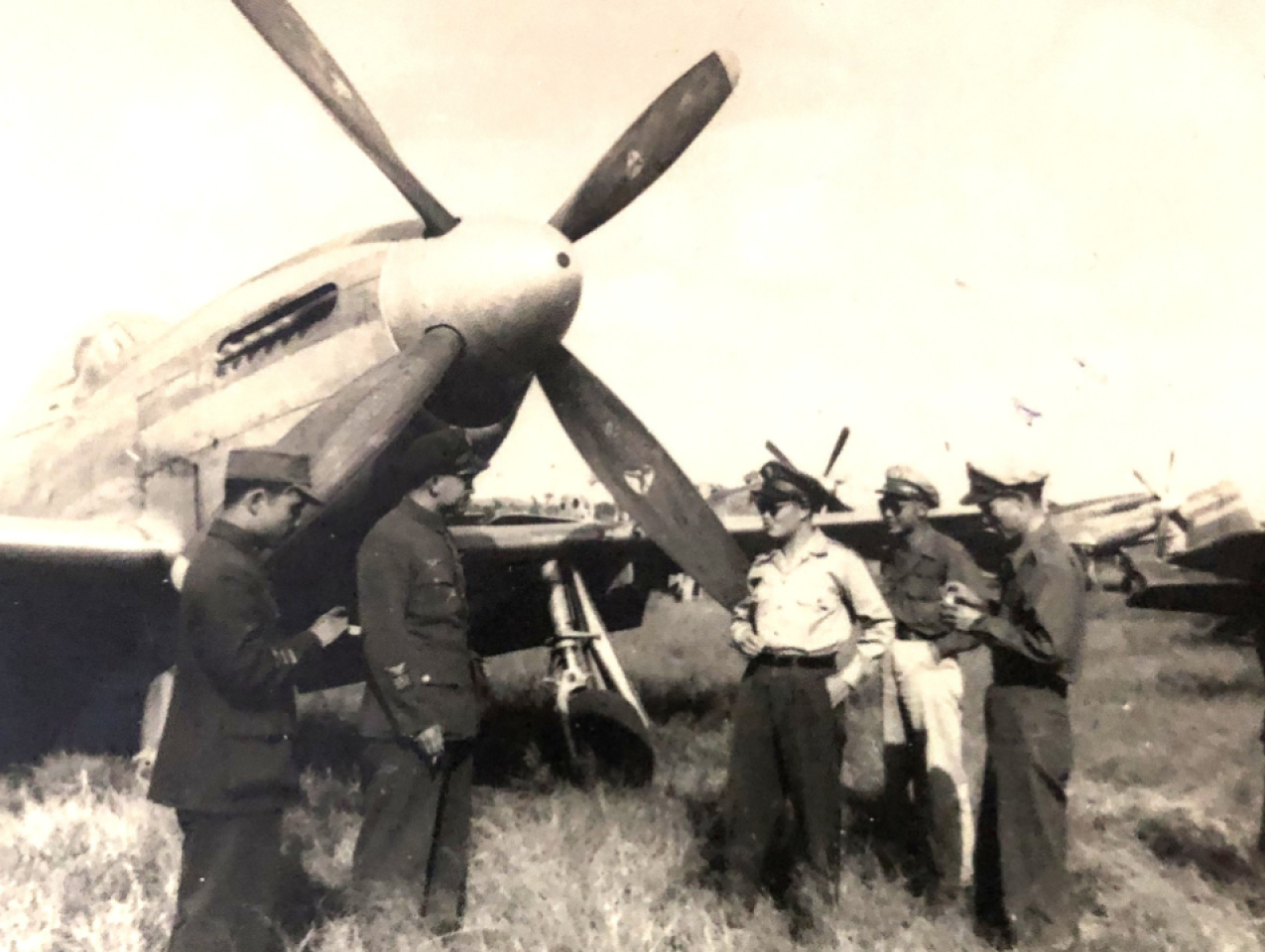
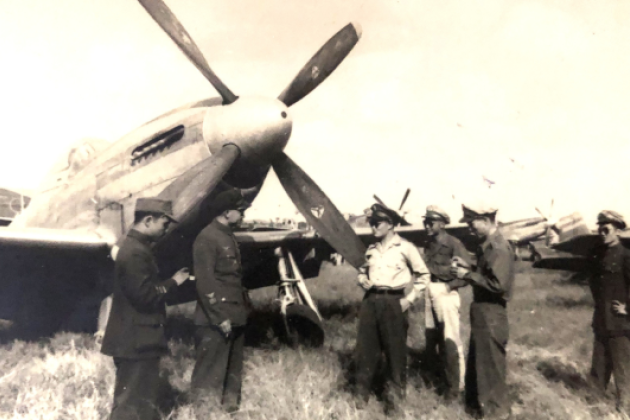
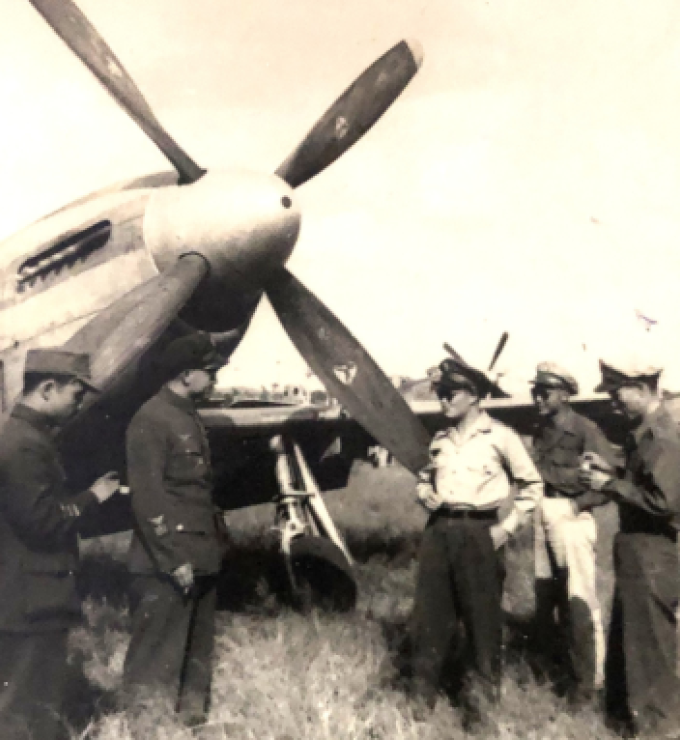
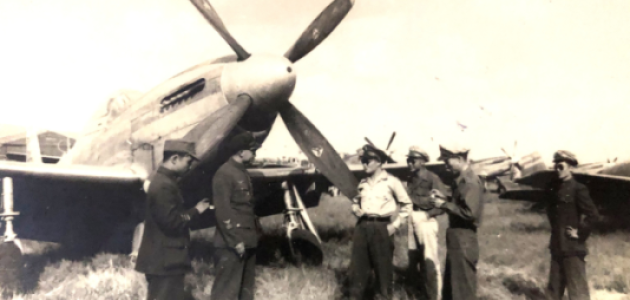
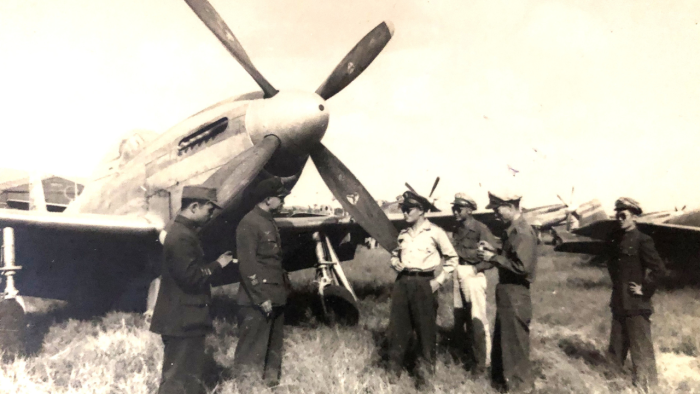
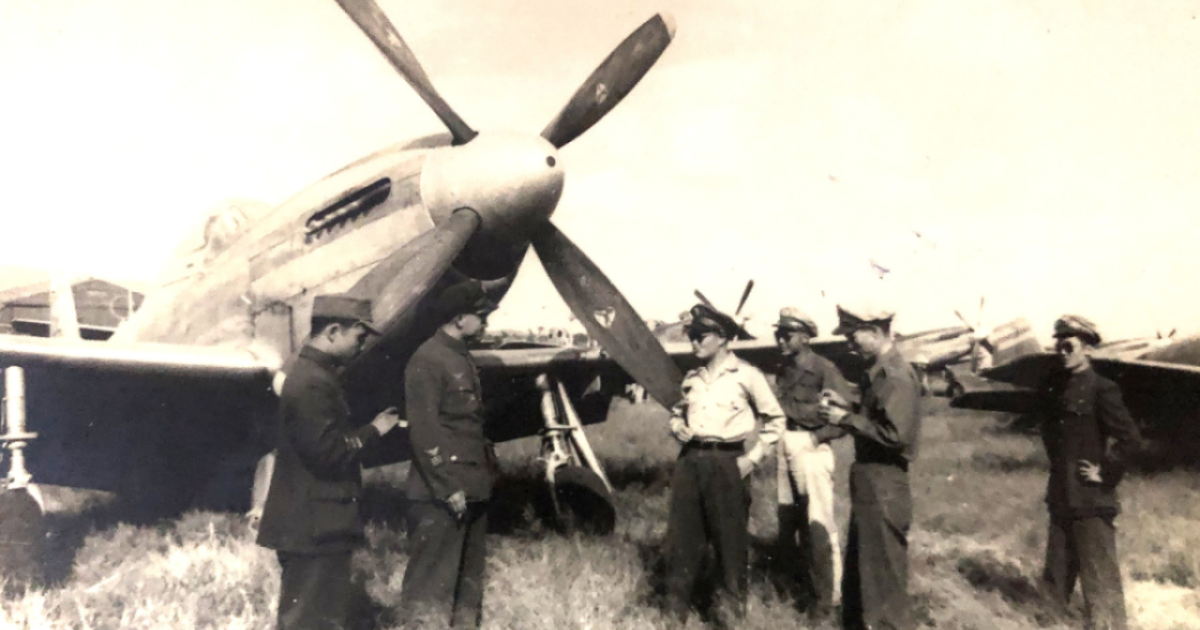
Cheng Sung-ting (1914–2011) entered the Chinese Air Force Academy in 1935. After graduation in 1938 he became engaged in the Sino-Japanese war. In the fall of 1943, Cheng served as the commander of the 28th Squadron of the Third Group of the ROC Air Force. In 1944, he led a risky ultra-low-altitude bombing of the Japanese oil depot in Hubei Province. Afterward Cheng was given the task of going to India to receive a P-51 Mustang fighter plane. Without any special training, he flew safely from India to Southwest China alone. After the Japanese emperor declared unconditional surrender in August 1945, Cheng led the US-China Composite Wing to guide the Japanese plane to land at Zhijiang Airport, where the Chinese and the Americans met with their Japanese counterpart to accept the latter’s surrender. After 1949 Cheng moved to Taiwan, where he consecutively served as the chief of the Operations Division of the ROC Air Force, chief of staff of the First Wing, deputy director of the Personnel Department of the Air Force, the principal of both the Air Force Flight School and the Air Force Infant School, and member of the Air Force Strategic Planning Committee. He retired in the mid-1970s.
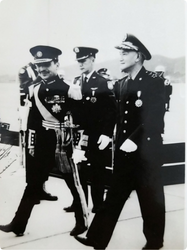
personal attaché for King Hussein of Jordan (left)
when the king visited Taiwan in 1959.
Fred Wu-O Chiao (1916–2013) was enrolled in the Chinese Air Force Academy when the Japanese invaded China in 1937. When American aviator Claire Chennault visited the academy in 1938, he selected Chiao, among others, to serve in his training program in what later became the Flying Tigers in World War II. Two years later, Chiao served as a fighter pilot during the Sino-Japanese war and was credited with four and a half victories in air combat (he shot down one Japanese fighter plane jointly with his American comrade). In 1949, Chiao and his family moved to Taiwan, where he was the commander of the ROC 5th Fighter Group and was engaged in aerial combat during the 1958 Taiwan Strait Crisis. Chiao retired from service in 1966 with the rank of major general, having received an Air Medal, a Purple Heart, and a Distinguished Flying Cross, among numerous other honors.
These military figures shared similar backgrounds: They had joined the military in their early years, engaged in the Sino-Japanese War (1937–45) and the Chinese civil war (1945–49), making crucial achievements and contributions on the battlefield. After 1949, they came to Taiwan and became key military leaders of Free China, protecting Taiwan’s security and defending the island’s position at the forefront of world anticommunism. As they had engaged in both the hot war and the cold war across the 1949 divide, their life experiences can be said to be a microcosm of the intricate history of modern China and Taiwan.
These collections contain rare materials that illuminate periods in 20th-century Chinese and East Asian history from the perspectives of those who shaped military events firsthand. The papers offer scholars and the public primary source documentation of the Sino-Japanese War, the Chinese Civil War, and Cold War tensions in the Taiwan Strait, including unique insights into the defense of offshore islands and the transition of Nationalist forces to Taiwan in 1949.