



Hoover Institution (Stanford, CA) — The Hoover Institution Library & Archives has acquired the Ozaki Yoshimichi Papers, a collection of archival materials and photographs documenting the operations of the Japanese-managed Mankayan Copper Mine in the Philippines during World War II and the postwar efforts to demand unpaid wages for its employees. The papers provide rare insight into the wartime activities of Japanese industrial enterprises in Southeast Asia and the personal histories of the civilians who worked in them.
Ozaki Yoshimichi, a former employee of Mitsui Mining Company at the Miike Mining Office in Japan, was assigned to the Mankayan Mine in the Benguet province, Northern Luzon, in July 1942 as a general affairs clerk. The mine, operated under Japanese management during the war, became the site of a dramatic and tragic evacuation in April 1945 as the conflict reached the Philippines. During the evacuation, forty-one members of the mining community lost their lives. Ozaki survived the ordeal by retreating with others into the mountains, where they remained until the end of the war. He was subsequently held in a U.S. prisoner-of-war camp and returned to Japan in December 1946.
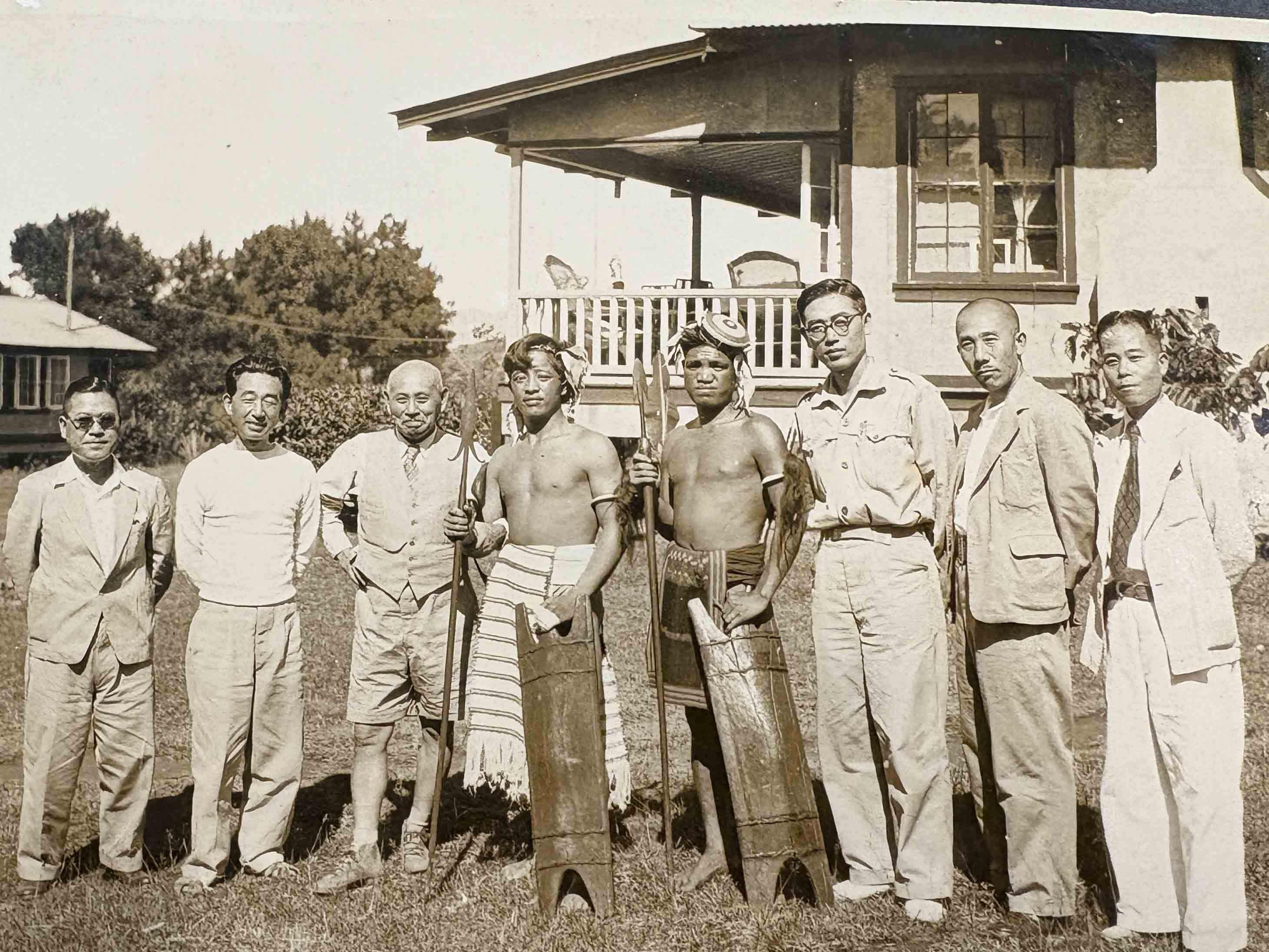
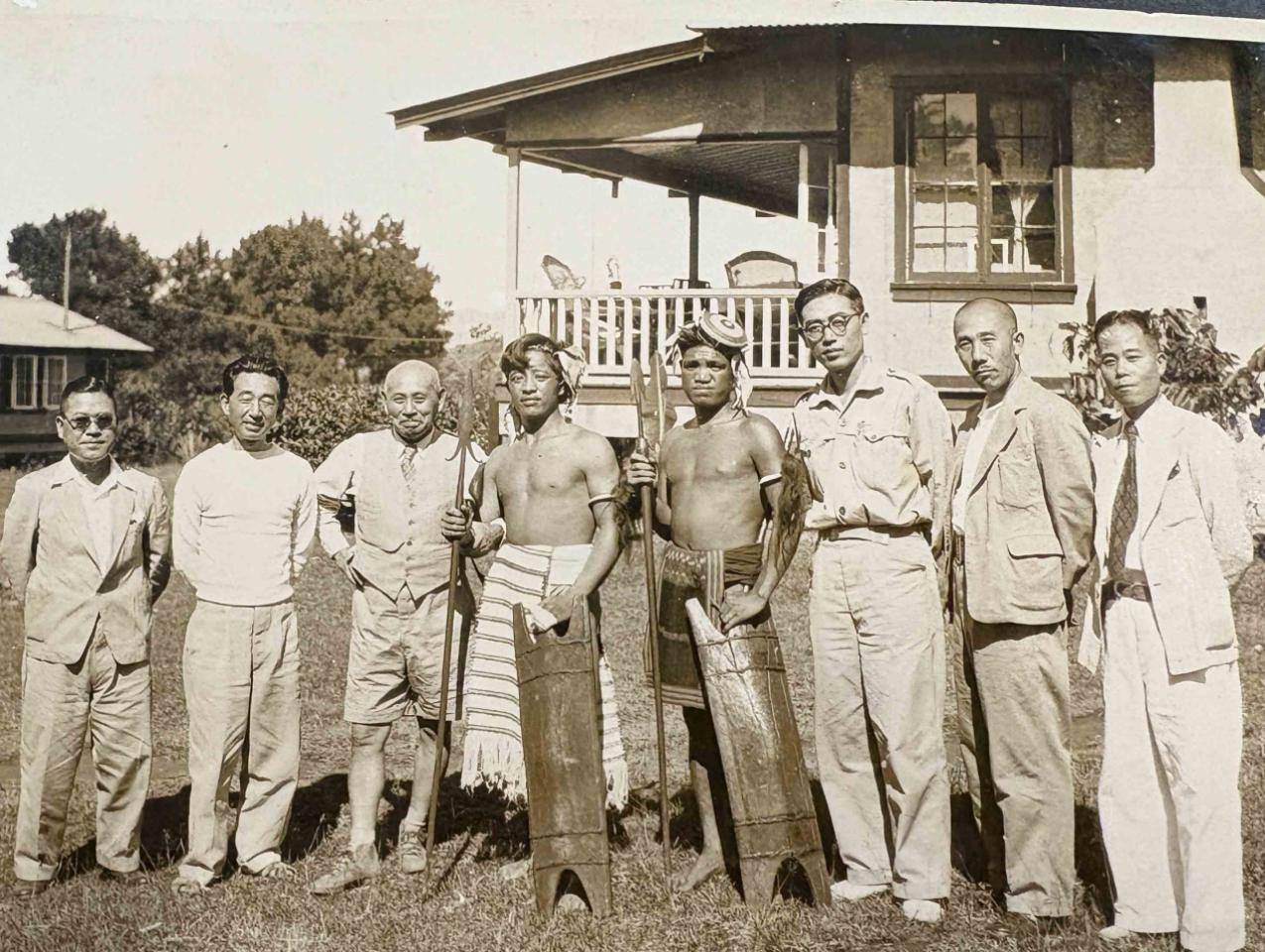
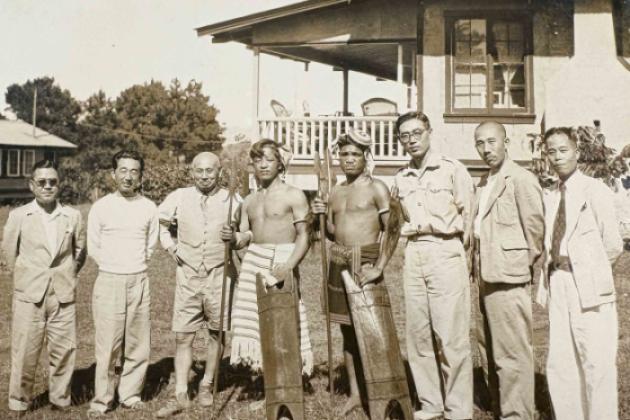
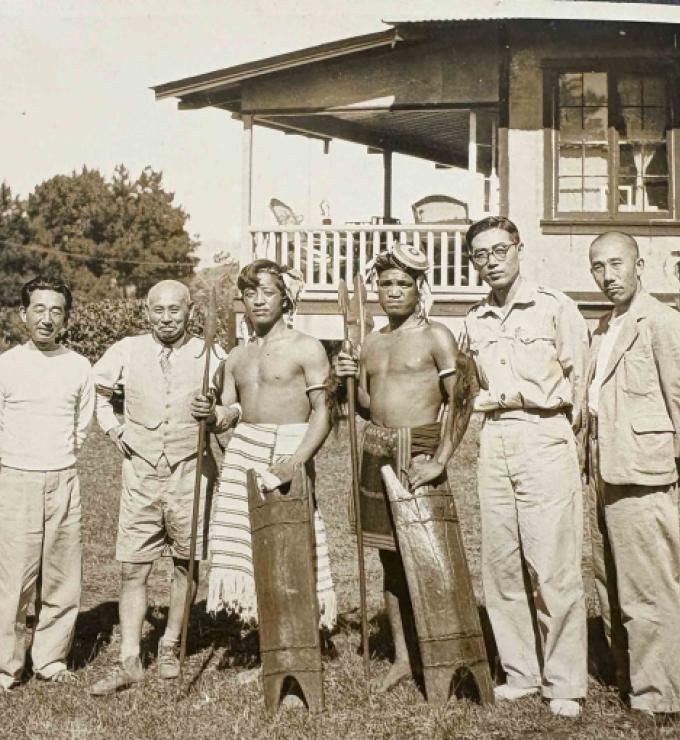
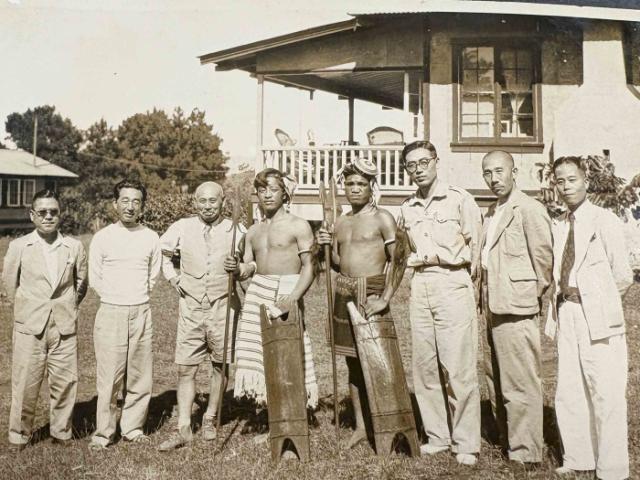
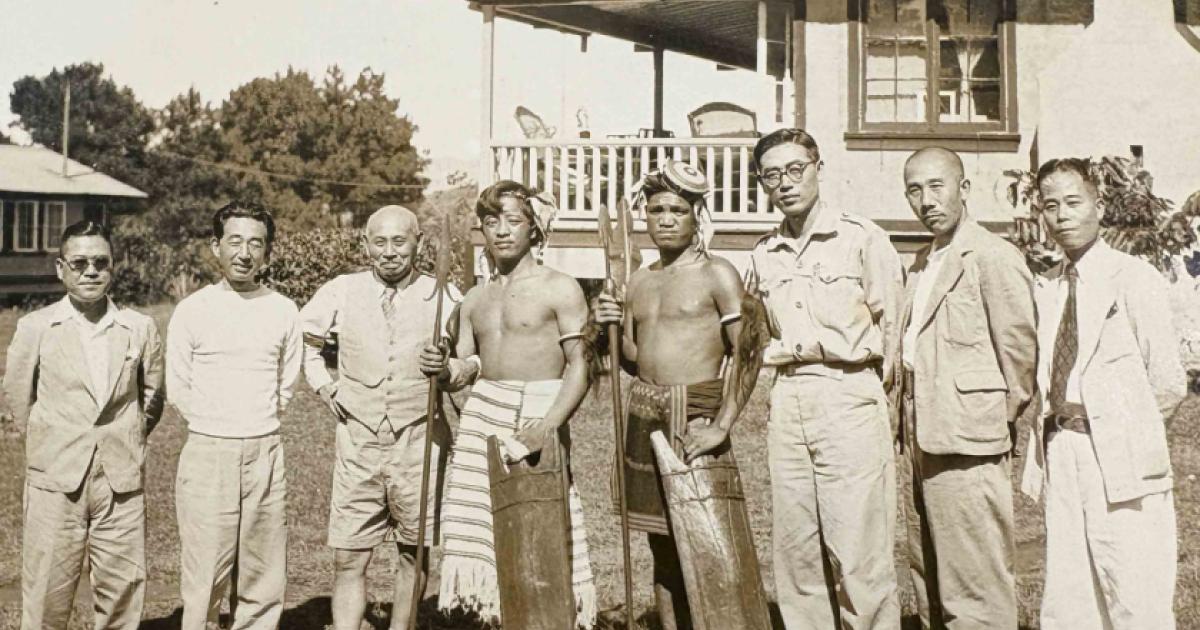
The collection includes wartime photographs documenting life and work at the Mankayan Mine. The photographs depict colleagues and visitors, including war correspondent and writer Yōjirō Ishizaka. Particularly notable are images documenting the cultural life of the region, including photographs of members of the indigenous Igorot community performing traditional dances.
The papers also document the postwar efforts of former Mankayan employees to rebuild their lives and maintain their community. After returning to Japan, Ozaki became the Miike branch head of the Mankayan-kai, an association established in January 1947 to support the welfare and repatriation of former mine employees. Records from the association include a substantial group of administrative materials from 1947, such as meeting minutes, internal bulletins, and detailed reports on salary settlements, unpaid wages, and compensation for industrial injuries. The documents also contain rosters of personnel, lists of war casualties, and materials related to the repatriation of workers who had been stranded overseas at the end of the war.
Personal correspondence forms another important component of the collection. Letters and postcards from former colleagues and association members, along with several handwritten letters by Ozaki himself, provide vivid accounts of wartime evacuation, survival in the mountains, and the difficult transition to postwar life in Japan. These letters reflect the emotional and practical challenges faced by repatriated workers as they returned to a devastated country while demanding justice for unpaid wages and compensation.
The Ozaki Yoshimichi Papers document Japan's wartime economic expansion into Southeast Asia from the perspective of civilian employees rather than military or governmental authorities, filling a significant gap in the historical record of Japanese occupation in the Philippines. Scholars now have access to primary sources on the day-to-day operations of Japanese mining enterprises, the experiences of Japanese civilians caught in combat zones, indigenous-Japanese interactions during wartime occupation, and the prolonged postwar struggle for labor justice that has often been overshadowed by narratives of military repatriation.