



Librarians at the Hoover Institution Library & Archives catalog hundreds of materials on a monthly basis. Here is a curated list of newly cataloged items. To view more information and to request access to these materials, follow the links to SearchWorks, the Stanford University Libraries online catalog.
Author: Herbert Clark Hoover
Title: A remedy for disappearing game fishes
Published: New York, Huntington Press, [1930]
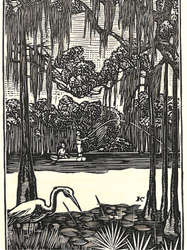
This first edition by Herbert Hoover addresses fish culture and the management of game fishes in the United States. The volume was the first publication of the Huntington Press; the colophon records its private-press production and limited print run. The book is illustrated throughout with woodcuts depicting fishing scenes and natural settings. This copy bears Hoover’s signature on the front flyleaf and a Herbert Hoover Archives stamp on the verso. According to a handwritten note found among the leaves, the book was displayed for many years in the Tower’s Herbert Hoover Room; it was removed from display in 2018 and subsequently placed in the cataloging backlog, where it was recently rediscovered and cataloged.
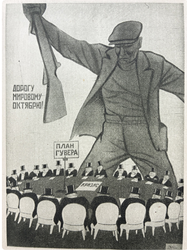
Author: Viktor Nikolaevich Deni
Title: Plakat na sluzhbe Okti͡abri͡a [Плакат на службе Октября]
Published: Moscow, Ogiz-Izogiz, 1934
The publication represents a set of agitational and propaganda postcards by the famous Soviet cartoonist Viktor Nikolaevich Deni, dedicated to the role of the political poster during the October Revolution and the early Soviet period. The folder contains accompanying text and 20 postcards, including 19 posters and a portrait of the author. The postcards are made in Denis's characteristic, expressively satirical style and reflect the key themes of Soviet visual propaganda of the 1920s and 1930s.
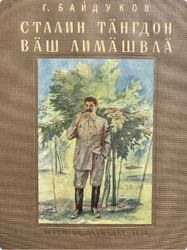
Author: G. (Georgiĭ) Baĭdukov
Title: Stalin tăngdon văsh limăshvlă [Сталин тӓнгдон вӓш лимӓшвлӓ]
Published: Moscow, V.L.K.S.M., 1939
The text represents a memoir by the Soviet pilot Georgy Baidukov about his meetings with Joseph Stalin, written in a distinctly apologetic tone characteristic of the period of the cult of personality. The author describes the ceremonial welcome at the airport, conversations in the Kremlin, and a stay at Stalin's dacha, emphasizing the leader's alleged simplicity, expertise, and care for the pilots. Special emphasis is placed on Stalin's interest in technical issues of aviation and his paternal concern for the safety of the pilots. The text also conveys Stalin's stories about the revolutionary years and Siberian exiles, which further reinforces the image of his endurance and historical mission. The narrative is filled with emotions of admiration and loyalty, typical of Soviet propaganda literature of the 1930s. This edition is a translation into the Mari language, published in 1939. Hoover also holds a copy of the original edition, from 1938, in Russian.
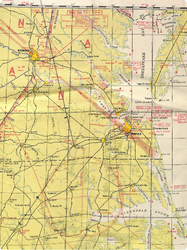
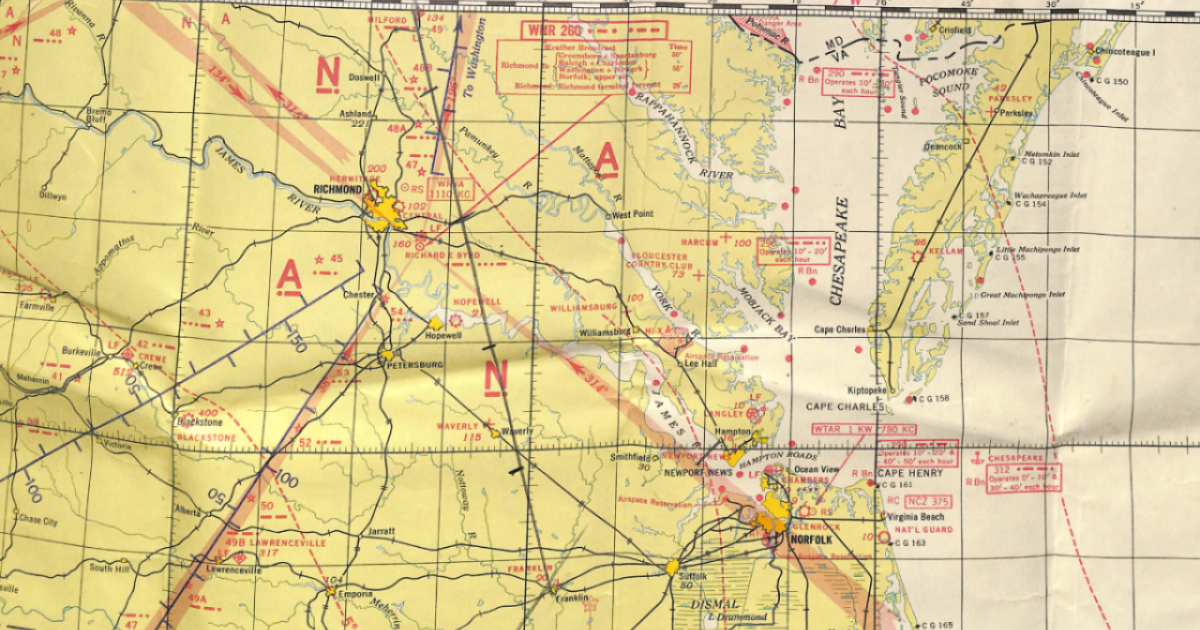
Issued by: U.S. Coast and Geodetic Survey
Title: Regional aeronautical chart
Published: Washington, D.C., U.S. Coast and Geodetic Survey, 1939
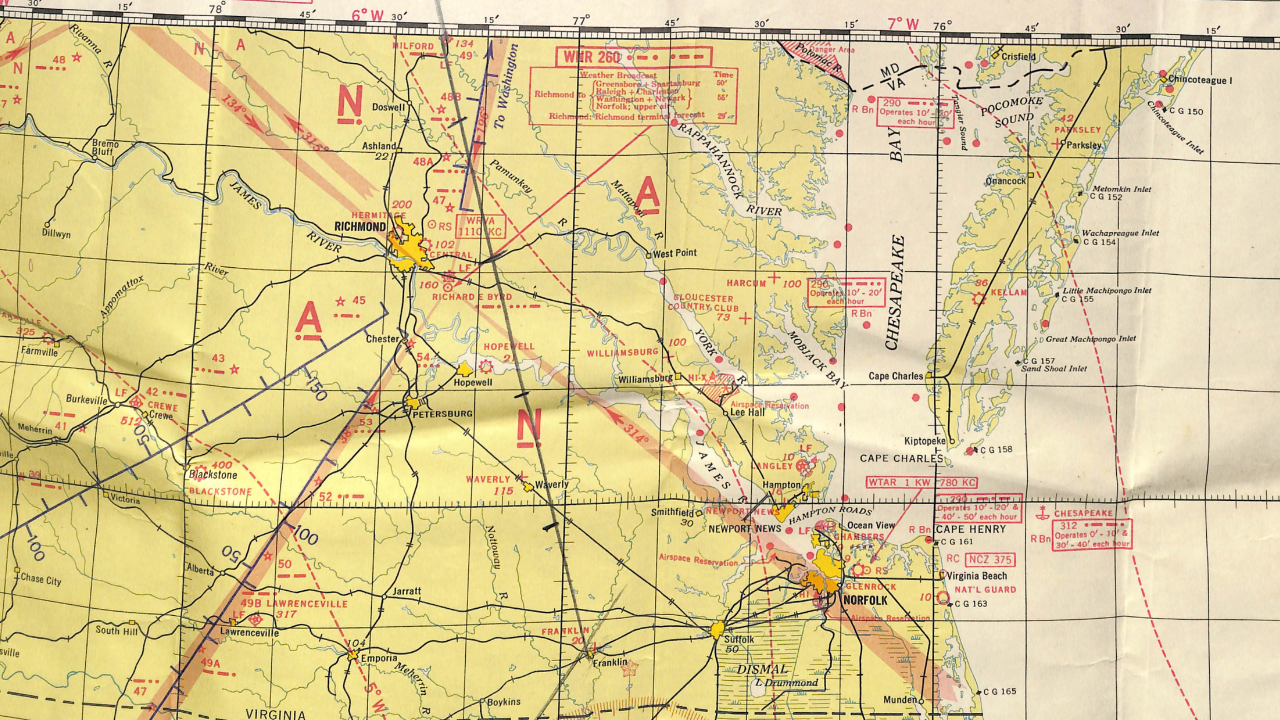
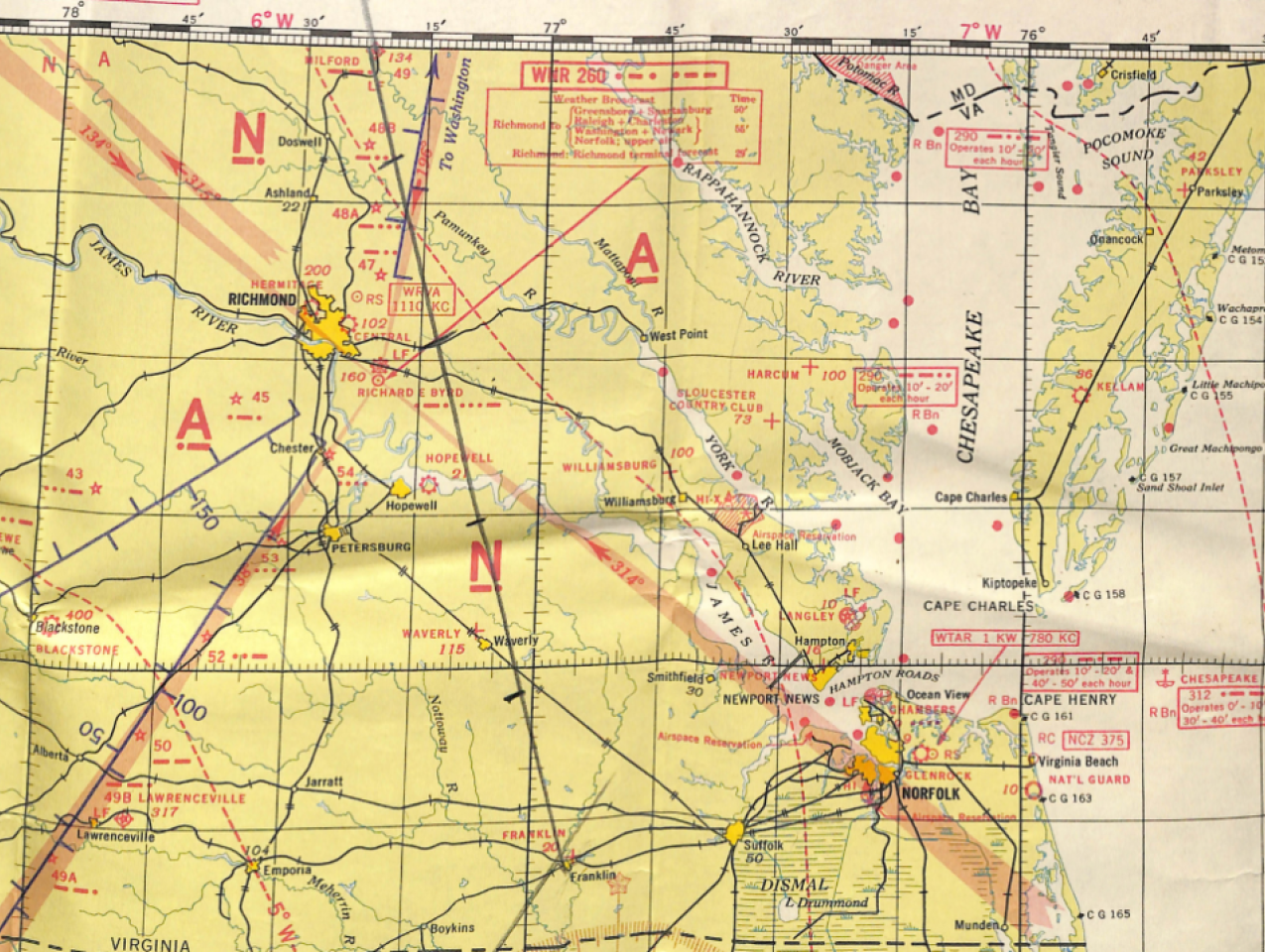
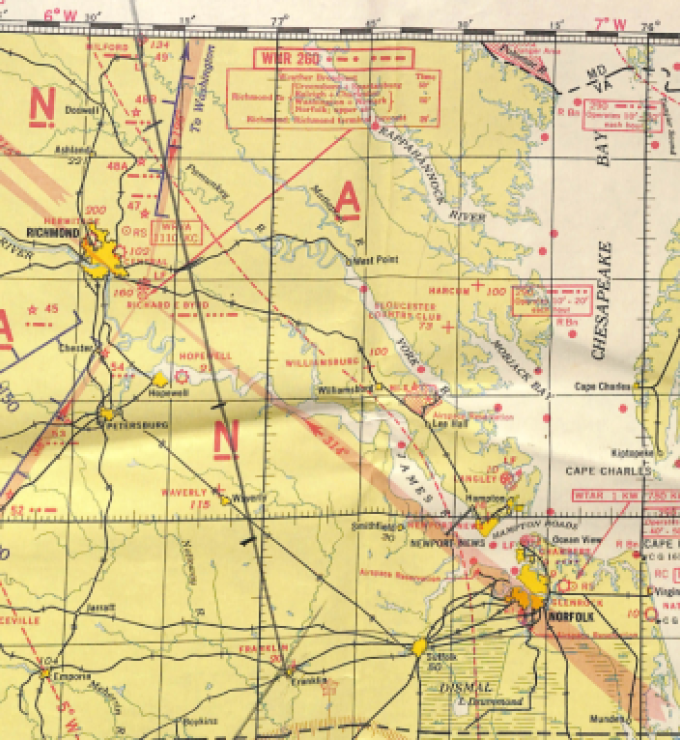
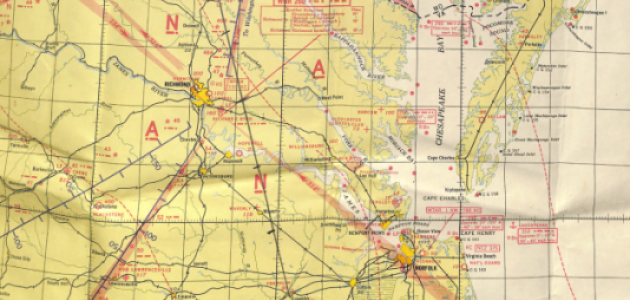
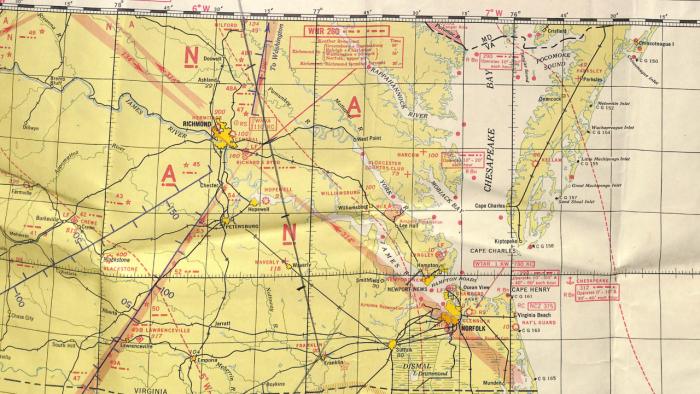
Issued in May 1939 by the U.S. Coast and Geodetic Survey, this regional aeronautical chart documents the U.S. federal airway system on the eve of World War II. The map shows radio navigation infrastructure, including radio ranges, radio compasses, airway light beacons, and intermediate landing fields maintained by the Department of Commerce. These systems supported long distance flight in the late 1930s. The map was acquired by Hoover as part of the papers of Anastasīĭ Andreevich Vonsi͡at͡skīĭ, a Russian American political figure and founder of the All Russian Fascist Organization. He was arrested and convicted under the Espionage Act in 1942 for his connections with Axis powers during World War II.

Author: Jonathan Daly
Title: The man who knew Russia: Richard Pipes, humanist and cold warrior
Published: Stanford, Calif., Stanford University Press and Hoover Institution, [2026]
This newly published biography examines the life and work of historian and Harvard professor Richard Pipes, a scholar of Russian and Soviet history. Pipes served on the U.S. National Security Council during the Reagan administration. Earlier in his career Pipes conducted research at the Hoover Institution Library & Archives, and the author also used HILA materials as background research for this publication. The volume appears in the Stanford–Hoover Series on Authoritarianism series, edited by Paul R. Gregory and Norman M. Naimark, which publishes studies examining the origins and dynamics of authoritarian political systems.