




Hoover Institution (Stanford, CA) — The Hoover Institution Library & Archives is honored to announce the acquisition of a significant and generous gift from the family of Ippei Nomoto (Keizō Norimoto), an influential yet understudied figure in Japanese American history. This remarkable collection offers new pathways for research into the intellectual, cultural, and political life of Japanese Americans in the twentieth century.
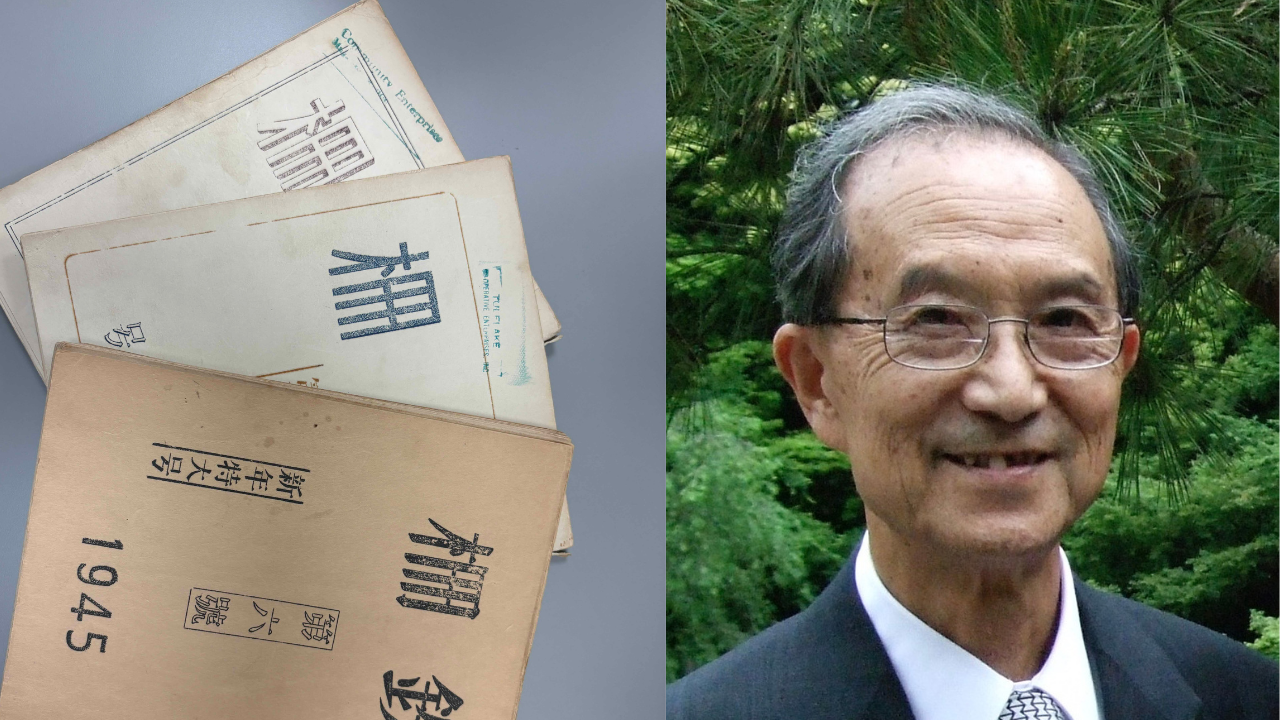
Ippei Nomoto (1932–2021), born Keizō Norimoto in Japan, was a writer, journalist, and public intellectual whose career spanned more than four decades. After immigrating to the United States in 1961, he made California, particularly Fresno and San Francisco, his home base while cultivating a transnational intellectual presence. Writing under the pen name Ippei Nomoto, he devoted his life’s work to interpreting Japan, the United States, and the global Japanese diaspora for Japanese-language audiences.
From the 1960s through the early 2000s, Nomoto was a prominent voice in Japanese-language newspapers, magazines, and broadcast media. His commentary addressed Japanese American history, postwar U.S.–Japan relations, war memory, international politics, and the lived experiences of Japanese migrants abroad. He was also a frequent commentator on NHK television and radio, where he provided analysis of global affairs and historical issues for a broad audience in Japan. In addition to his journalistic work, Nomoto authored numerous books that combined reportage, historical reflection, and political commentary, helping to document and interpret the transnational Japanese experience in the postwar world.
Within the Japanese American community, Nomoto occupied a unique and multifaceted role. He served as president of the San Francisco–based Japanese-language newspaper Hokubei Mainichi, where he shaped public discourse during a period marked by war displacement and reconstruction. He was also a Buddhist minister, literary critic, and historian, embodying a rare combination of spiritual, cultural, and intellectual leadership.
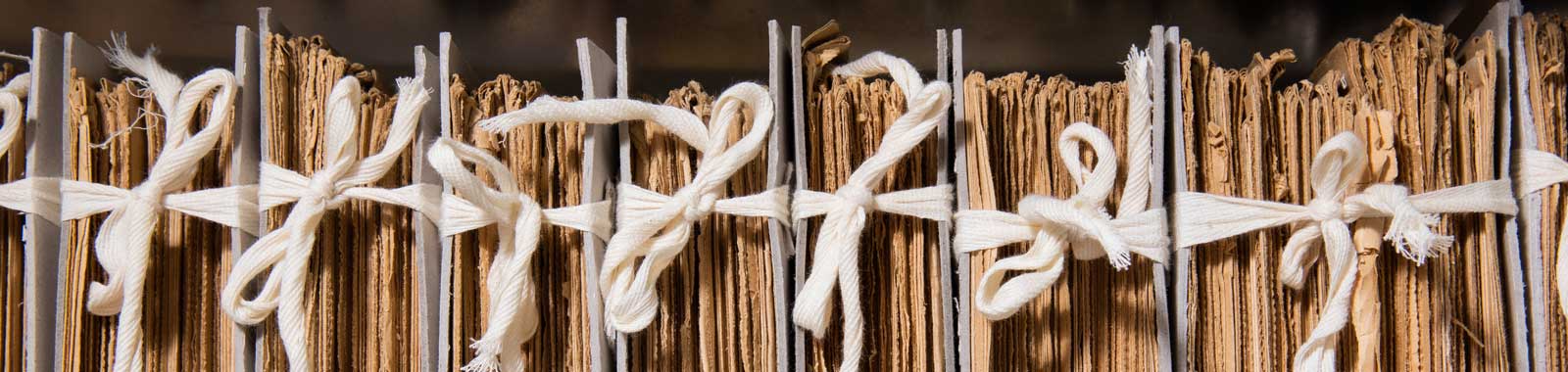
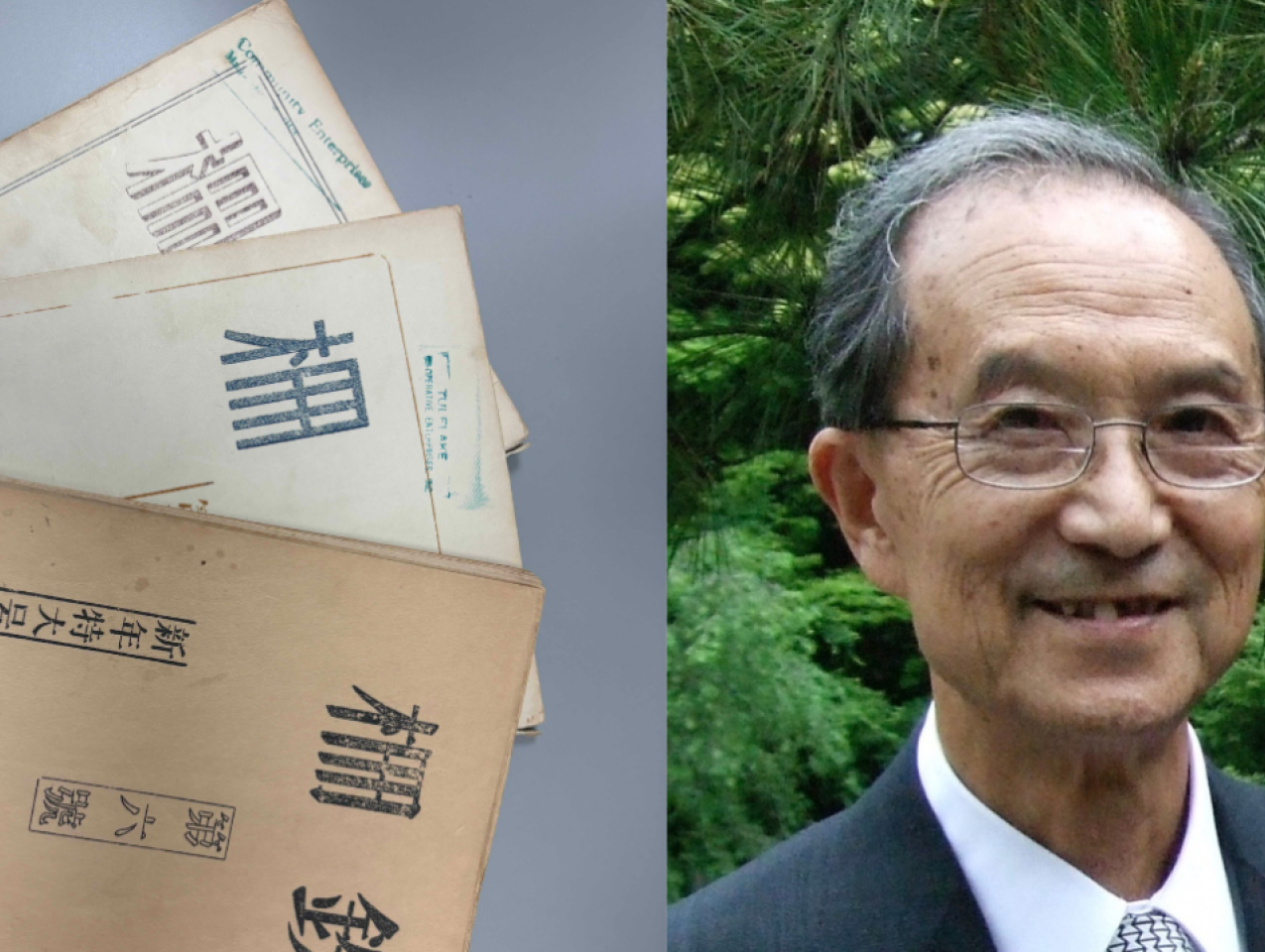
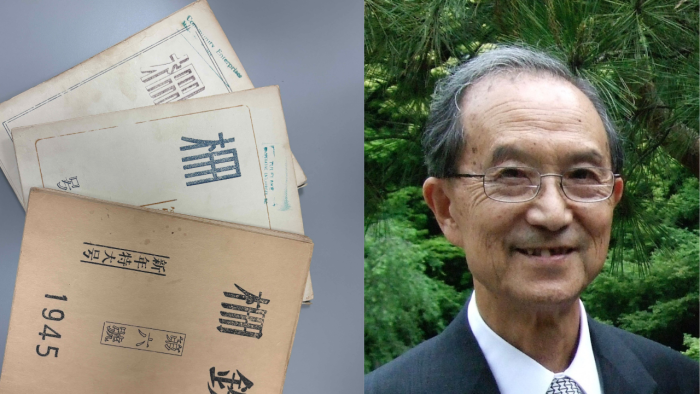
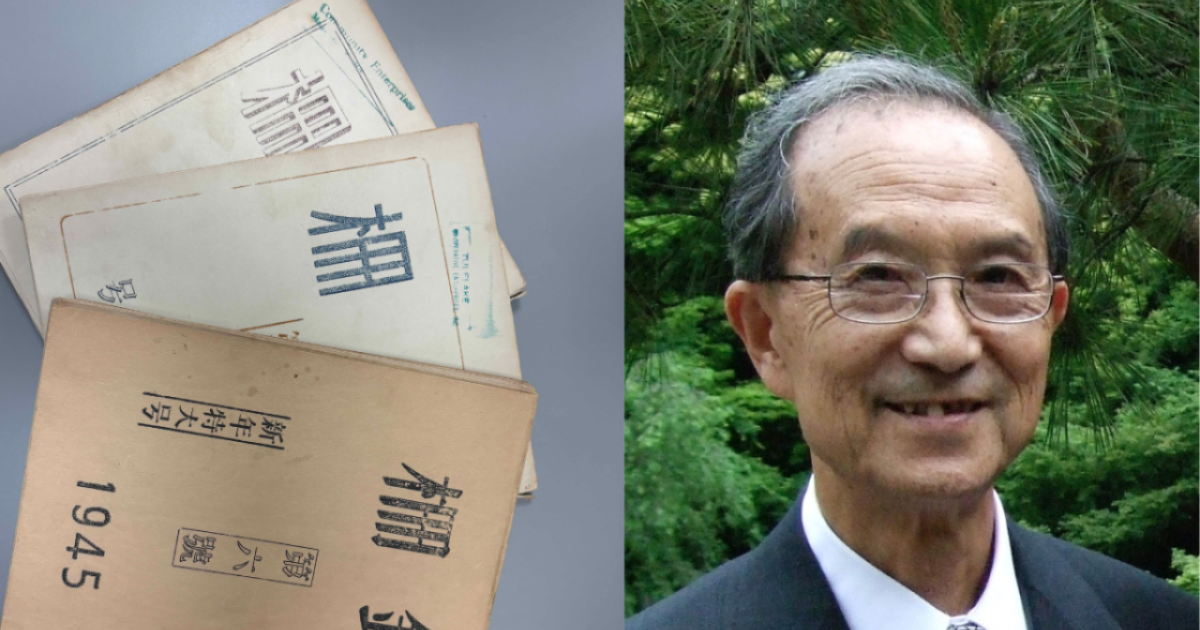
The Nomoto Papers are rich in primary source materials, including extensive correspondence, interview notes, draft manuscripts, and a rare body of publications from the Tule Lake Segregation Center. These materials document not only Nomoto’s intellectual development and research process but also his wide-ranging personal and professional networks across Japan and the United States. The Tule Lake publications, in particular, represent a significant and scarce record of literary and cultural production within one of the most contentious War Relocation Authority camps during World War II.
The collection is also notable for Nomoto’s in-depth research on transnational figures whose lives intersected with major geopolitical currents of the twentieth century. Among them is Tarō Yashima, the former proletarian artist who later worked with the U.S. government’s Office of War Information (OWI) and Office of Strategic Services (OSS), contributing illustrations to anti-Japanese propaganda leaflets during World War II. Nomoto’s work also extends to Richard Sorge, the German-Russian journalist and Soviet intelligence officer whose espionage activities in Japan and Germany remain the subject of enduring historical interest.
Equally significant is Nomoto’s connection to literary networks that bridged Japan and the United States. His close relationship with Bun’ichi Kagawa, a Stanford-educated poet whose work was supported by Yvor Winters, provided him access to a vibrant intellectual circle. Through these ties, Nomoto assembled an extensive collection of literary publications produced at Tule Lake, offering rare insight into the cultural and literary expressions of incarcerated Japanese Americans under conditions of confinement and political tension.
Taken together, the Ippei Nomoto Papers constitute a cornerstone collection for the study of Japanese American history. They illuminate the intersections of journalism, religion, literature, and political ideology, while also foregrounding the global dimensions of wartime experience and memory. Scholars will find in this archive a rich resource for examining questions of identity, loyalty, dissent, and cultural production within and beyond the Japanese American community.