




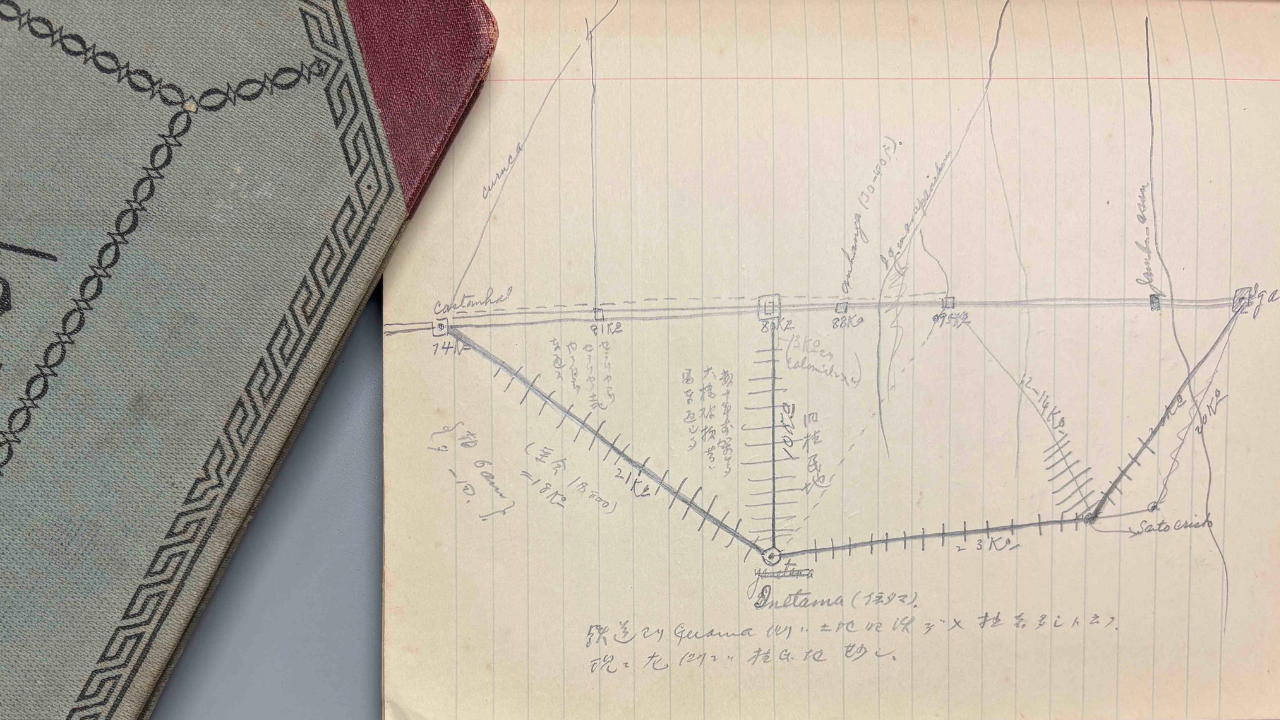
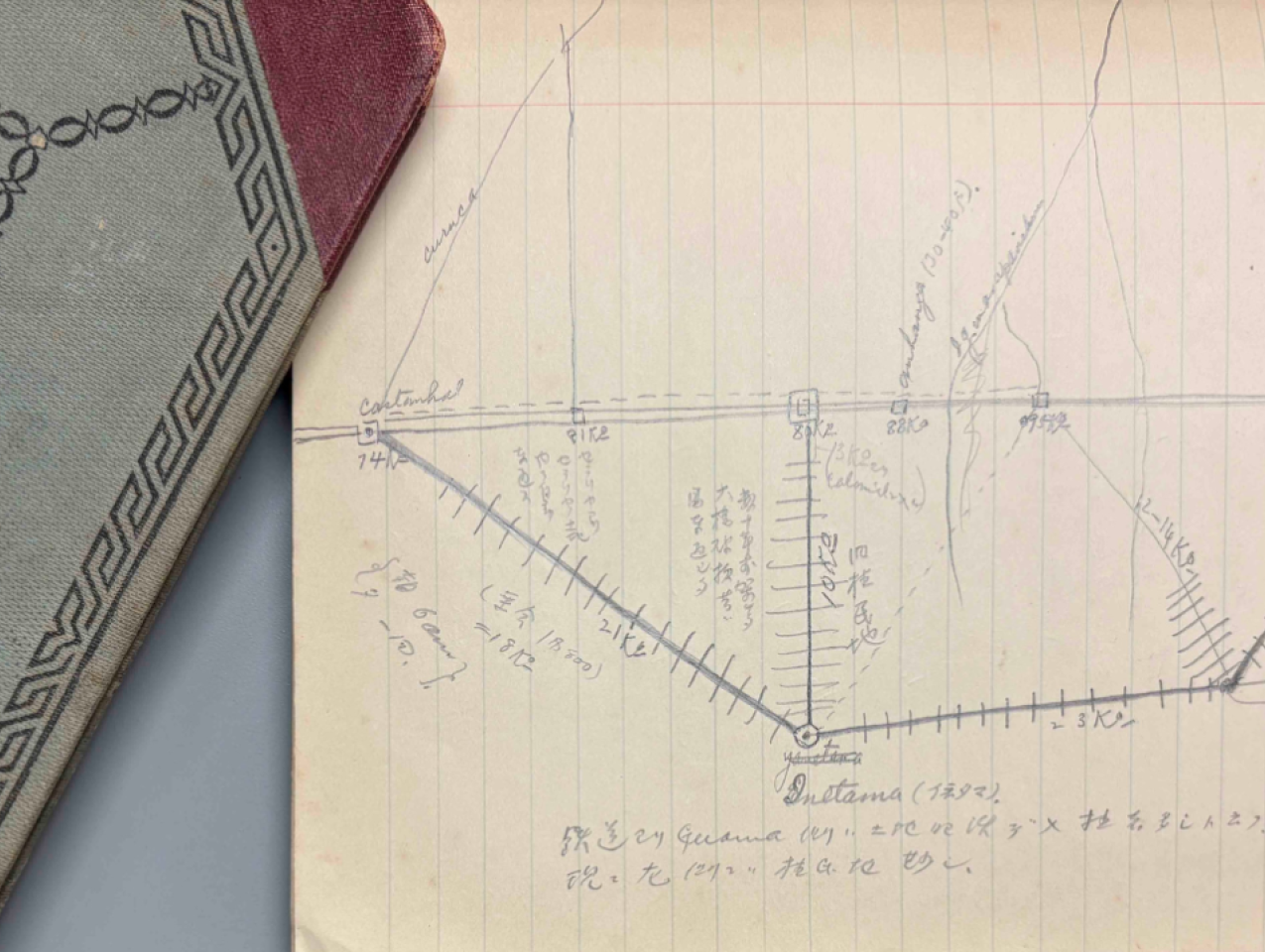
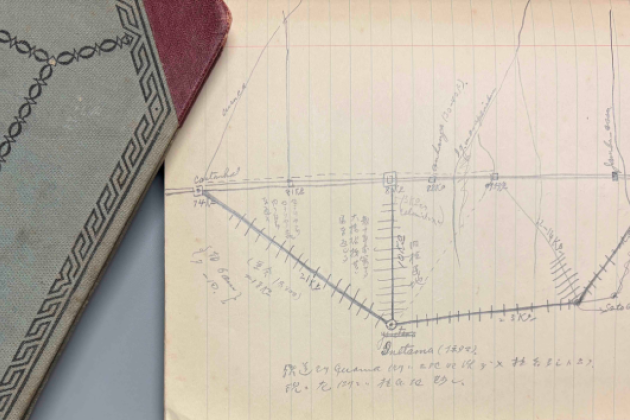
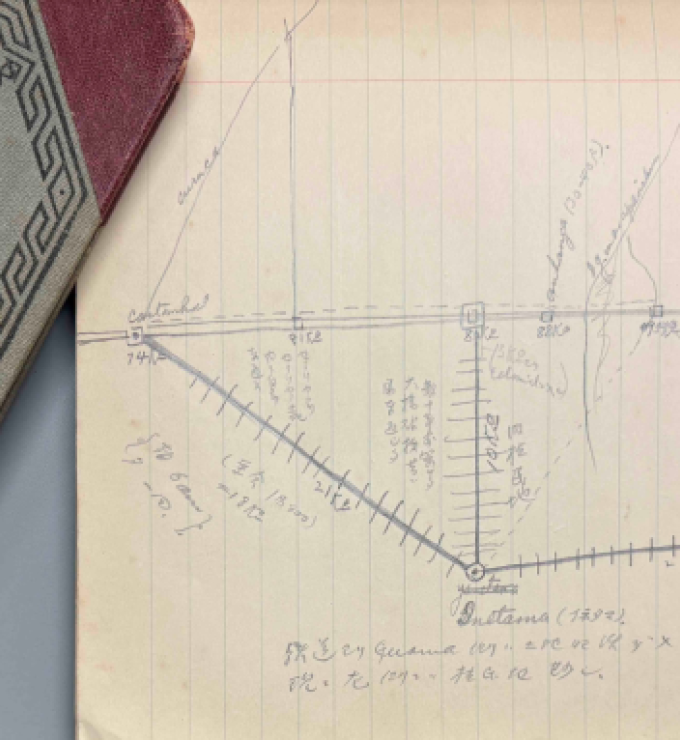
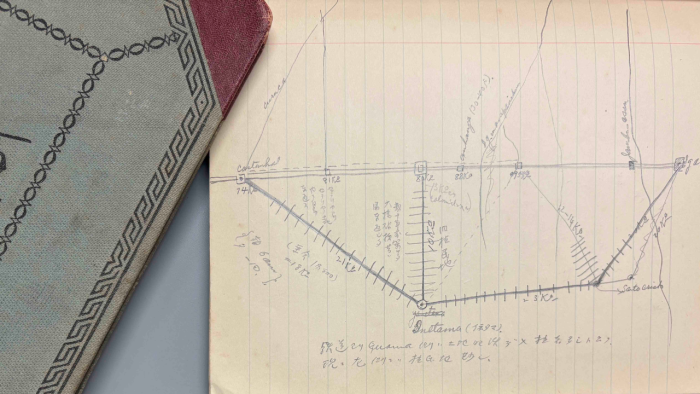
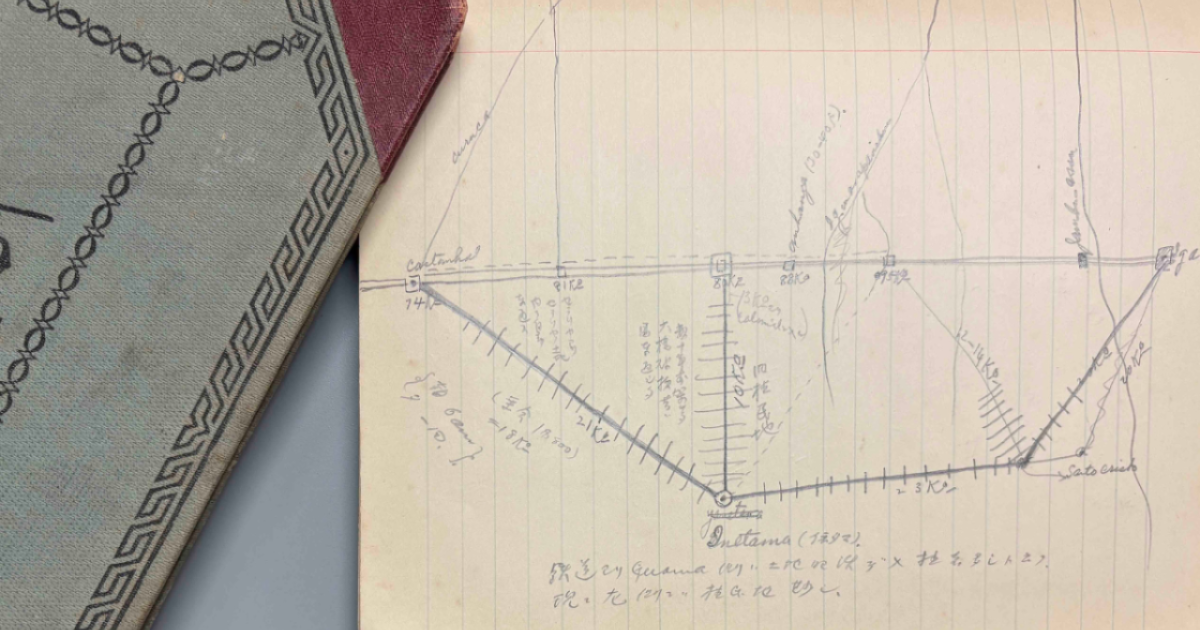
Hoover Institution (Stanford, CA) — The Hoover Institution Library & Archives has acquired the diaries of Hachirō Fukuhara (1874 —1943), a prominent Japanese businessman and an early advocate of Japanese agricultural colonization in the Amazon region of Brazil during the early twentieth century. Fukuhara played a pivotal role in Japan's search for new agricultural frontiers at a time when population growth and limited arable land were pressing national concerns. His diaries provide a rare, firsthand account of the ambitions, challenges, and global networks that shaped Japan's migration and colonial development projects in South America.
Before embarking on his work in Brazil, Fukuhara held a distinguished position as the Tokyo Factory Director of Kanegafuchi Spinning Company (Kanebo), one of Japan's leading textile firms. In 1926, at the request of Japan's Ministry of Foreign Affairs, he led a scientific survey mission to Brazil to investigate the feasibility of Japanese agricultural settlement in the Amazon. The mission conducted extensive research along the Acará River in the state of Pará, identifying fertile land suitable for cultivation and securing substantial land grants from the local government. The governor of Pará had invited the Japanese government to explore the region's settlement potential, and Fukuhara's research team was organized to evaluate agricultural production possibilities in the Amazon.
Demonstrating extraordinary personal commitment, Fukuhara resigned from his prestigious corporate position at the age of fifty to lead the colonization effort. In 1927, he became the founding president of the South American Colonization Company (Nanbei Takushoku Kaisha), an enterprise established to promote Japanese settlement and agricultural development in Brazil. Under his leadership, the company founded the Tomé-Açu colony in 1929, one of the most ambitious Japanese agricultural settlements in the Amazon basin.
The early years of the colony were extraordinarily difficult. Settlers faced endemic diseases, unfamiliar environmental conditions, and severe economic hardships. Ultimately, Fukuhara accepted responsibility for the colony's struggles, resigning from his position and returning to Japan in 1935. Despite these setbacks, his pioneering efforts laid the groundwork for the colony's later success, particularly through the cultivation of black pepper, which transformed Tomé-Açu into a prosperous agricultural community.
Fukuhara's writings reveal the intellectual and political context behind these colonization efforts. He attributed Japan's social, economic, and ideological challenges to the nation's growing population and shortage of arable land. For Fukuhara and many of his contemporaries, overseas agricultural settlement offered a potential solution: the creation of new food production centers beyond the Japanese archipelago. After immigration restrictions in the United States effectively closed a major destination for Japanese migrants, attention increasingly shifted toward South America as a promising frontier.
The diaries preserved at Hoover document the crucial years of Fukuhara's investigative work and agricultural development projects in the Amazon, covering the period leading up to his resignation from the South American Colonization Company. They illuminate the internal operations of the company as well as the often complicated relationship between Japanese business leaders and the Japanese government. Fukuhara's entries reveal the difficulties faced by leaders working abroad while navigating bureaucratic expectations and policy directives from Tokyo.
In addition to documenting corporate and governmental dynamics, the diaries contain extensive observations of the Amazon region itself. Fukuhara recorded detailed accounts of the agricultural potential of areas such as Castanhal in Pará, carefully evaluating soil conditions, crop possibilities, and the broader prospects for settlement. For a resource-poor nation with limited farmland, the vast lands of the Amazon represented both opportunity and risk, and Fukuhara's writings capture the optimism and uncertainty surrounding these ventures.
Taken together, the Fukuhara diaries offer an invaluable window into the global dimensions of Japanese migration, business enterprise, and colonial ambition during the interwar period. They provide scholars with rich primary documentation of one individual's efforts to reshape Japan's agricultural future while navigating the complex realities of settlement in the Amazon. For researchers interested in Japanese diaspora history, transnational economic networks, and the environmental history of colonization, this collection represents an important new resource at the Hoover Institution Library & Archives.