




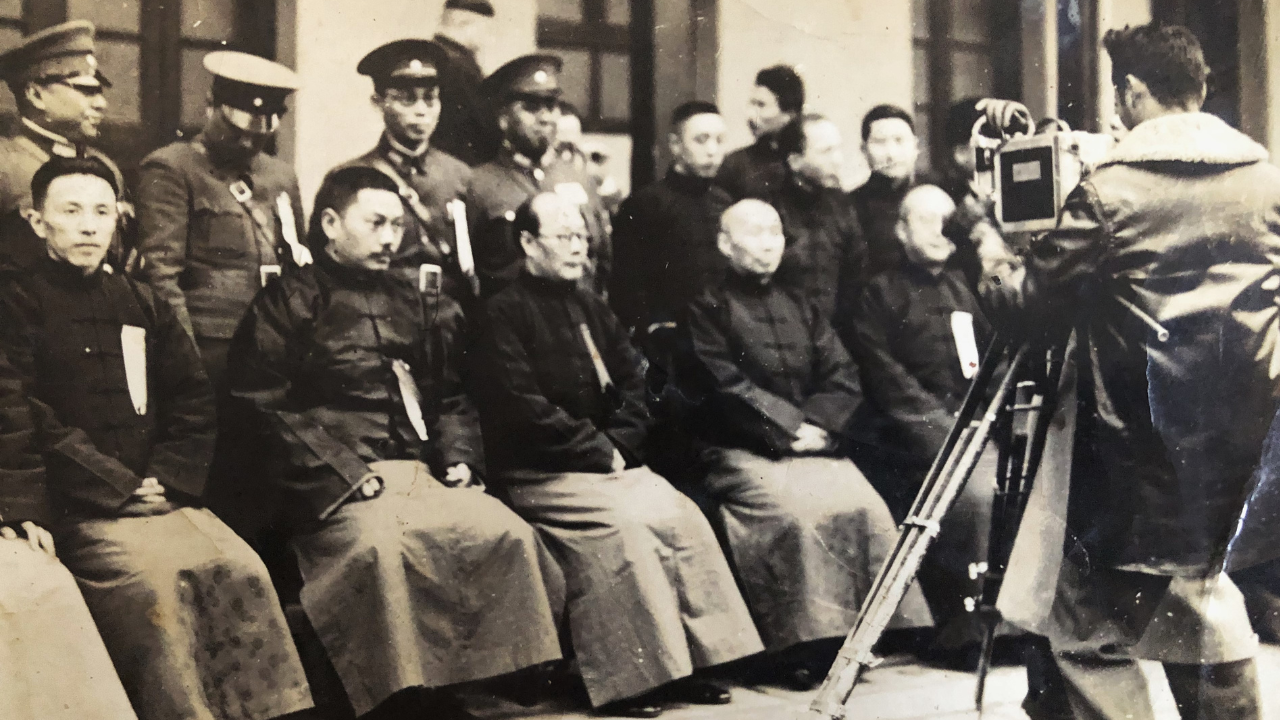
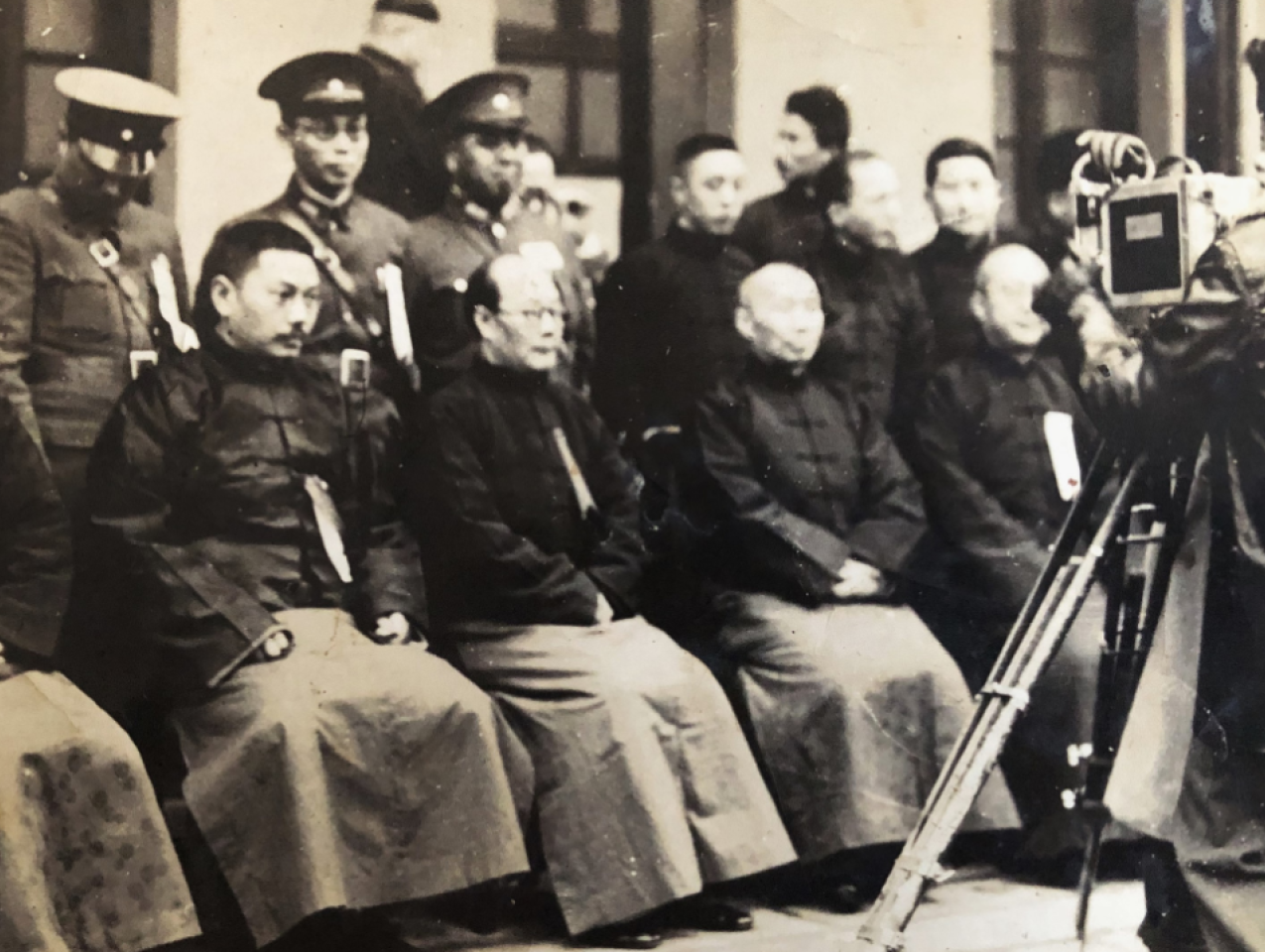
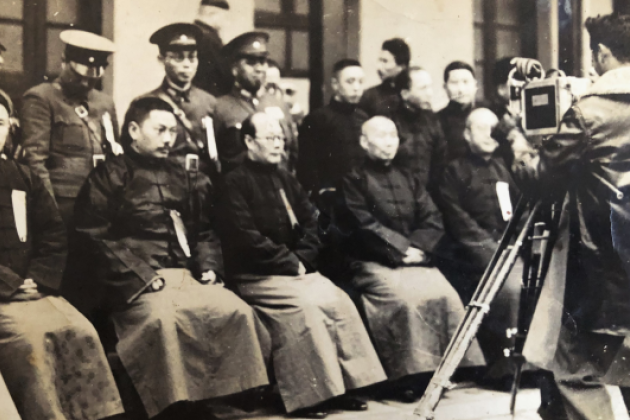
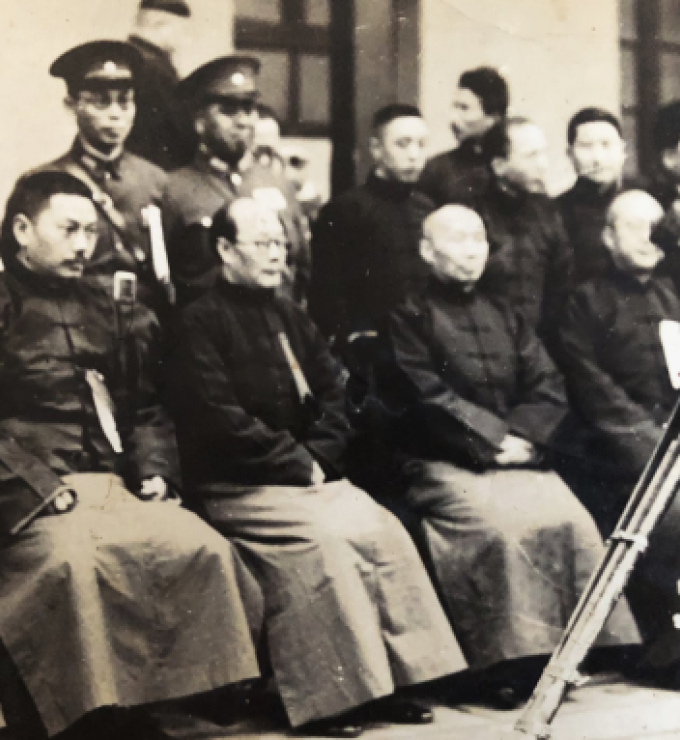
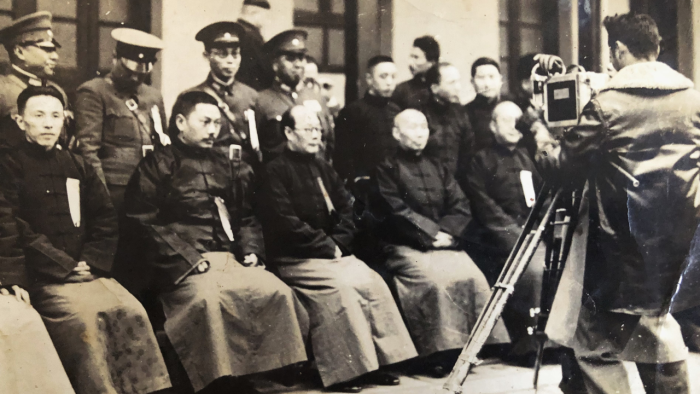
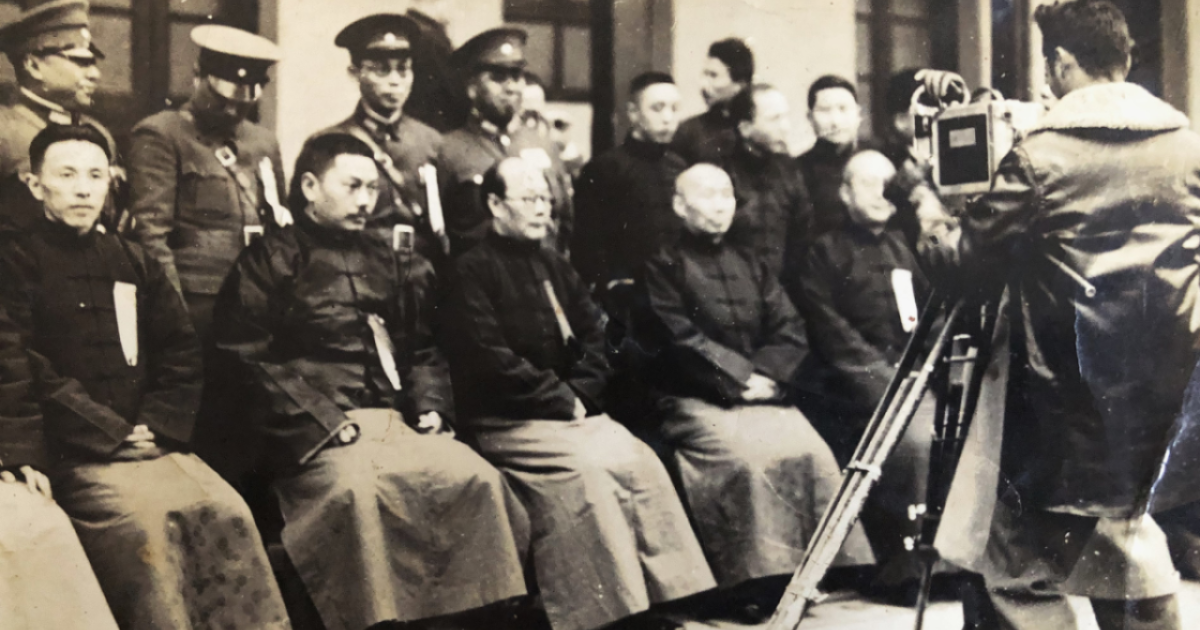
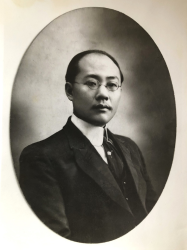
Hoover Institution (Stanford, CA) — The Hoover Library & Archives has obtained the family papers of Yang Yongtai, a leading politician of the Kuomintang (KMT) nationalist party of China who was assassinated in 1936.
Yang was born in Maoming, Guangdong Province, in 1880. Upon graduation from Peking Methodist University, the forerunner of Yenching University, he went to Japan for advanced study. He returned to Guangzhou shortly before the 1911 Chinese Revolution and became a leading organizer of the Guangdong Province republican government after it declared independence from the Qing court. In 1913 he was elected to the National Assembly as a Kuomintang member of the Senate.
During the chaotic era of warlord rule between 1917 and 1925, Yang followed Sun Yat-sen’s footsteps and joined Sun’s revolutionary campaign in South China. After Sun died and as Chiang Kai-shek rose to power, Yang won admittance to Chiang’s personal entourage, becoming an adviser in the generalissimo's headquarters. Yang quickly gained Chiang's favor by submitting thought-provoking memoranda on political affairs, especially on the suppression of the Chinese Communists. From 1932 to 1936, Yang exercised considerable power as chief secretary in the Military Affairs Commission, led by Chiang as the chairman.
These were the years of Chiang’s fierce campaigns against the Chinese Communists. Yang was frequently stationed in Nanchang, Jiangxi Province, where Chiang’s headquarters was the hub for political, military, and party affairs in Central China. Yang became a leading architect in promoting the New Life Movement, a civic campaign by the government to promote cultural reform and unite China under a Neo-Confucian centralized ideology. Meanwhile, during this period Yang became deeply involved in factional intrigues within the Kuomintang, incurring the enmity of powerful figures such as Hu Hanmin and Chen Lifu, harbored different views about how to govern China.
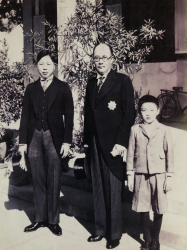
On January 1, 1936, Yang was appointed governor of Hubei Province. He was an efficient administrator but not a popular governor, for he was thought to favor the continuance of anticommunist campaigns rather than the formation of a united front of Communists and Nationalists to face the increasing Japanese encroachment. On October 25, 1936, as he was returning home from a luncheon party at the American consulate, Yang was assassinated by a Sichuanese who was allegedly associated with anti-Japanese elements within the Kuomintang Party.
In fall 2024, Yang Yongtai’s maternal grandson Henry Hong Fung donated his personal papers, which include family photos and rich research materials related to Yang Yongtai. These materials are welcome additions to Hoover’s archival holdings, complementing existing collections on the history of Nationalist China.